
Touring care homes for an aging parent is rarely a task anyone looks forward to. If you are like most adult children in this position, you are likely feeling anxious, overwhelmed by browser tabs, and short on time. You are trying to make a careful, compassionate decision for someone who has cared for you, and the weight of that responsibility is heavy. We understand that finding the right guidance is difficult, which is why reading resources like our board and care blog can be a helpful first step to ground yourself.
When touring a board and care home, the most important things to evaluate are staff consistency, safety in the first days after move-in, how the home handles dementia-related behaviors, whether daily help is respectful, and whether the place feels calm rather than staged. Glossy brochures and chandeliers do not provide care; people do. The true measure of a home is found in the quiet moments between scheduled activities, in the patience of a caregiver helping someone stand, and in the overall emotional tone of the household.
If you only remember five things
- Watch how staff talk to residents, not just how they talk to you.
- Ask what happens in the first 48 hours after move-in.
- Notice whether the home feels calm, clean, and lived in.
- Get the real staffing plan for days, nights, and weekends.
- Ask to see the latest inspection history and family communication process.
You’re Not Alone in This Search
The journey to finding the right care for a parent is deeply personal, but it is a path heavily traveled. It is completely normal to feel a mix of guilt, sadness, and urgency as you step through the doors of potential homes. You are part of a massive, quiet army of families navigating these exact same waters. According to AARP and the National Alliance for Caregiving, 63 million Americans are currently family caregivers — a nearly 50% increase since 2015.
The landscape of long-term care is vast, giving you options but also adding to the confusion. To put the scale into perspective, there were 32,200 residential care communities and 1,313,600 licensed beds in the U.S. in 2022. That means there are thousands of distinct environments, philosophies, and care models available. Your task is not to find the one objectively “perfect” facility in the world, but the specific environment that fits your parent’s unique needs, personality, and medical realities.
Understanding who actually lives in these homes can help set your expectations for what you should be looking for during a tour. In 2022, 44% of residential care community residents had Alzheimer disease or other dementias, 53% were age 85+, 67% were women, 16.9% were Medicaid beneficiaries, 74.5% needed help bathing, 70.9% needed help walking, and 61.7% needed help with three or more activities of daily living. Translated into plain English for families, this means the vast majority of residents are women in their late eighties who require significant, hands-on physical support for basic daily functions, and nearly half require specialized memory care. When you tour, you are not just looking for a nice bedroom; you are looking for a highly capable physical and cognitive support system.
What Is a Board and Care Home, Really?
The terminology surrounding elder care is notoriously confusing, and it varies significantly by state. You might hear terms like adult family home, residential care facility for the elderly, or personal care home. However, long-term care ombudsman training materials describe family-type homes as small residential settings that provide room, board, housekeeping, personal care, and supervision in the operator’s home. What most families mean when they talk about a “board and care” is essentially a small-home assisted living option rather than a massive, hotel-like campus.
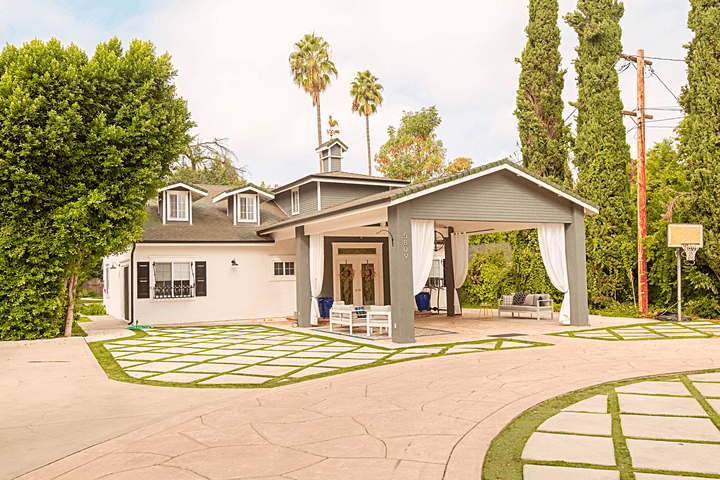
These homes are usually situated in standard residential neighborhoods. From the outside, they look just like any other house on the block. Inside, they are adapted to safely accommodate a small household of older adults rather than a large resident population. Because of this intimate scale, the care tends to be highly personalized. If your parent requires a quieter environment, or if you are weighing board and care vs. memory care, understanding the inherent advantages of a small-scale setting is crucial.
Board and care vs. assisted living: what’s the difference?
| Feature | Board and Care Home | Traditional Assisted Living |
| Scale | Small household living in a residential-style home. | Larger community living in an apartment-style building. |
| Noise Level | Quiet, calm, mimicking a traditional family home. | Bustling, with intercoms, frequent visitors, and busy common areas. |
| Routines | Flexible and highly adaptable to the individual’s natural waking and eating times. | Structured, with set dining hours and scheduled facility-wide programming. |
| Staff Familiarity | High. Residents are more likely to become familiar with a smaller, more consistent caregiving team. | Variable. Caregivers often work in shifts across different wings or floors. |
| Social Environment | Intimate, family-style dining and socializing in a shared living room. | Expansive, with multiple activity groups, outings, and varied social circles. |
The distinction in size has a direct impact on the population each setting serves. According to the CDC, in 2020, dementia prevalence was 51% in 4-25 bed communities, 47% in 26-50 bed communities, and 39% in communities with more than 50 beds. This data reveals a vital truth: smaller homes actually care for a higher percentage of individuals with memory loss. Because smaller environments are less overwhelming and easier to navigate, they attract families dealing with Alzheimer’s. This makes dementia-specific questions absolutely essential when touring a smaller board and care home, as memory care will likely be a core part of the household’s daily reality.
What Will This Actually Cost?
Cost is the elephant in the room for nearly every family looking into senior care. It is vital to be practical and transparent about finances from day one. Pricing for board and care homes usually reflects several intertwined factors: whether the room is private or shared, the geographic location of the home, the level of hands-on care your parent needs, medication management requirements, incontinence care, overnight supervision needs, and whether the home is equipped to safely support your parent as their condition progresses over time.
Many families mistakenly assume a single quoted price covers everything forever. Instead, you should always ask for a written fee sheet that separates the base room-and-board rate from care add-ons. Some homes use an all-inclusive pricing model, while others use a tiered system where costs increase as care needs increase. If long-term affordability is a major concern, you should ask early on whether the home accepts Medicaid, though the availability of Medicaid beds in small residential settings varies heavily by state and specific facility.
- Ask for these numbers in writing:Monthly base rate (and exactly what it covers)
- Care level add-ons (how they are assessed and how often)
- Move-in fees or community fees
- Medication management fees
- Rate increase policy (historical averages of annual increases)
Your Tour Checklist: What to Observe, Ask, and Verify
A good tour is part observation, part interview, part gut check. You are not just looking at the paint colors on the walls; you are looking at the mechanics of how human beings are treated when they are at their most vulnerable. Treat the tour as an active investigation.
Before You Arrive
Whenever possible, you should do one scheduled visit and at least one unannounced follow-up. Visit at different times of day—mid-morning is often completely different from the late afternoon “sundowning” hours. If the facility allows it, ask to observe a meal service or a shift change, as these are the times when a home’s true organizational capacity is tested. It is also important to remember that state inspection frequency varies widely, from every six months in some states to once every five years in others, and most states rely on unannounced inspections. Because regulatory check-ins can be infrequent, families should never assume that state oversight alone guarantees daily quality. Your own unannounced drop-in is your best tool for seeing the daily reality.
Staff: The Heart of Good Care
The quality of a care home rests entirely on the shoulders of its staff. Look for concrete signs of respectful care: caregivers making direct eye contact with residents, using a calm and unhurried tone of voice, displaying genuine patience during moments of redirection, knowing residents’ personal routines, and never rushing through intimate tasks like feeding or transferring. The Alzheimer’s Foundation of America notes a common memory-care caregiver ratio is about one caregiver for every five or six residents, while lower ratios can allow more individualized attention. When discussing this, do not settle for a marketing average. Ask the administrator for the actual staffing numbers by shift—specifically asking who is awake and on-duty at 2:00 AM—and how staffing shifts adjust based on resident acuity.
Safety and Security: Especially in the First 48 Hours
If your parent has memory loss, safety protocols are non-negotiable. More than 50% of residents in assisted living and nursing homes have some form of dementia or cognitive impairment, about 45% of successful exiting incidents occur within the first 48 hours after admission, and people who wander persistently are the source of 80% of successful exiting incidents. In plain English: the first two days of moving into a new home are the most dangerous time for a person with dementia. The sheer confusion of a new environment triggers the urge to leave and “go home.”
You must ask the facility how they handle the critical transition period. If a home does not have a specific, heightened protocol for the first 48 hours, that is a warning sign. Ask about admission-day monitoring, the mechanics of door alarms, protocols for outdoor access, the frequency of nighttime checks, and exactly what behavioral changes trigger an immediate call to the family. For more deep-dive information on this behavior, you can review our insights on dementia wandering.
The Physical Environment
Turn on all your senses when you walk through the door. Smell: does it smell fresh, or are there heavy masking perfumes covering up urine odors? Noise: is there blaring television in the background, or is the auditory environment peaceful? Lighting: is there abundant natural light to help regulate circadian rhythms? Clutter: are the walking paths clear of tripping hazards? Because the vast majority of residents need significant physical help with mobility and bathing, bathrooms and walking paths deserve your extra attention. Look for sturdy, properly installed handholds, safe shower entries, comfortable seating scattered throughout for resting, and secure outdoor access. Ultimately, ask yourself if the environment feels warm and homelike, or sterile and institutional.
Dining, Daily Routine, and Emotional Tone
Mealtimes are the anchor of the day in a board and care home. Good mealtime care is about much more than menu quality. It involves proper cueing for residents who forget to eat, gentle pacing for those who eat slowly, constant attention to hydration, and maintaining dignity at all times. Do the residents look settled and comfortable at the table? Social fit matters heavily; observe if the current residents seem to interact in a way that matches your parent’s temperament. The emotional tone of the home should be steady, not chaotic. Finally, ask about the communication loop. How and when will the home notify you if they notice subtle changes in your parent’s appetite, sleep patterns, mood, or physical mobility?
Printable Tour Guide
Staffing: What are the exact awake-staff ratios for day, evening, and overnight shifts?
Training: What specific dementia and de-escalation training do the direct caregivers receive?
First-48-Hours Protocol: How is my parent monitored during the high-risk transition period?
Resident Interaction: Are caregivers making eye contact, using warm tones, and respecting personal space?
Cleanliness: Is the home genuinely clean without relying on overwhelming chemical air fresheners?
Bathroom Safety: Are showers zero-threshold with secure, medically appropriate grab bars installed?
Meals: Does the food look appetizing, and do staff sit with residents who need gentle cueing to eat?
Noise Level: Is the home free from blaring TVs, loud intercoms, or chaotic background noise?
Inspection Report: Did the administrator readily provide the most recent state inspection survey?
Family Communication: What is the exact protocol for notifying me of falls, behavioral changes, or illness?
Pricing Sheet: Did I receive a written breakdown separating the base rate from care-level add-ons?
Follow-up Visit: Did the facility welcome the idea of an unannounced drop-in visit later in the week?
Red Flags and Green Lights During a Tour
Red Flags
- Strong, artificial masking odors attempting to hide incontinence issues.
- Residents left “parked” in wheelchairs facing walls or blank televisions without engagement.
- Vague, evasive answers about exact staffing numbers or overnight protocols.
- Refusal to provide a clear, written pricing structure for future care needs.
- Caregivers who do not know the names or daily routines of the residents.
- Defensiveness or anger when asked to provide the latest state inspection reports.
- A home that feels highly performative only when you arrive, but lacks natural warmth.
Green Lights
- A calm, steady emotional tone throughout the household.
- Familiar, long-tenured staff who interact warmly with the residents.
- Clear, direct answers about costs, capabilities, and discharge criteria.
- Visible, gentle daily routines playing out naturally during your visit.
- Respectful, patient physical assistance during transfers or meals.
- A clean, lived-in feeling that resembles a comfortable family home.
- Complete openness to your questions and unannounced follow-up visits.
Always remember to trust your observations. Your intuition is a powerful tool. If something feels off, it usually is. Family satisfaction and confidence matter immensely; if you do not feel a sense of relief and trust when walking through the home, keep looking.
After the Tour: How to Make the Decision Without Second-Guessing Yourself
Decision paralysis is incredibly common when choosing a care home. To prevent second-guessing yourself, follow a structured post-tour process:
- Compare notes the same day: Write down your immediate impressions in the car before you drive away. Details blur quickly after seeing multiple homes.
- Narrow to two options: Discard any home with red flags immediately. Focus your mental energy only on the top two realistic choices.
- Return at a different time: Drop by your top choices unannounced during a weekend or an evening to ensure the quality of care remains consistent when management is out of the building.
- Talk with current families if possible: Ask the administrator if they have a family member of a current resident willing to speak with you about their experience.
- Picture your parent’s hardest day: Do not just imagine your parent having a good day there. Picture them having a bad day—agitated, ill, or confused—and ask yourself if you trust this specific staff to handle them with grace and competence.
Resources and Support if You Need a Backstop
You do not have to rely solely on marketing materials to gauge the quality of a facility. The Long-Term Care Ombudsman program is a federal and state-funded resource designed to advocate for residents in care facilities. Ombudsmen investigate complaints, mediate disputes, and monitor facility conditions. In California, the program is administered through the California Department of Aging and covers board and care homes directly. Do not hesitate to contact your local ombudsman to ask whether there is a history of verified complaints against a facility you are seriously considering.
What You’re Really Looking For
At the end of the day, your goal is not to find a perfect brochure or a facility with the most expensive lobby furniture. The true goal is to find a place where your parent will be intimately known, kept safe from harm, and treated gently on an ordinary, rainy Tuesday. You are looking for a team of caregivers who will step in and act as an extension of your own family’s love.
The right tour should ultimately leave you with fewer unanswered questions, a lowered heart rate, and a profound sense of relief. When you find a home that makes you feel like you can finally exhale and step back into your role as a son or daughter—rather than a full-time medical coordinator—you will know you have found the right fit.