

Specialized Memory Care Facilities for Dementia with Behavioral Issues: A Comprehensive Evaluation Guide
When dementia progresses to include aggressive outbursts, wandering, or combative behaviors, families quickly discover that not all memory care facilities are equipped to handle these challenges. Finding specialized memory care facilities for dementia with behavioral issues requires understanding what true specialization means, how different facility types compare, and which specific features actually reduce behavioral episodes rather than simply managing them reactively.
This guide provides families with the knowledge to evaluate specialized memory care options, ask the right questions, and identify facilities genuinely equipped to improve quality of life for residents with challenging behaviors.

What Makes Memory Care “Specialized” for Behavioral Issues?
The term “specialized” gets used broadly in senior care marketing, but genuine specialization for behavioral dementia involves specific, measurable elements that distinguish these facilities from standard memory care.
Certified Behavioral Training Programs
Staff training represents the foundation of specialized behavioral care. Look for facilities where caregivers have completed recognized certification programs in dementia behavioral management, not just general memory care training. Programs like the Alzheimer’s Association’s “Responding to Dementia-Related Behavior” or university-developed curricula in behavioral psychology should be standard requirements, not optional extras.
Specialized facilities invest in ongoing education that covers recognizing behavioral triggers, implementing de-escalation techniques, understanding the psychological needs behind aggressive actions, and documenting patterns to prevent future incidents. Staff should be able to articulate specific approaches they use for different behavioral challenges, demonstrating applied knowledge rather than theoretical awareness.
Evidence-Based Behavioral Programs
Beyond staff training, specialized facilities implement structured programs proven to reduce behavioral symptoms. Validation therapy, developed specifically for dementia patients, acknowledges and validates emotional experiences rather than attempting to reorient confused residents to reality. This approach significantly reduces agitation in many individuals whose behaviors stem from emotional distress.
Sensory stimulation programs provide controlled, therapeutic sensory experiences that calm rather than overwhelm. Music therapy, aromatherapy, and tactile activities give residents constructive outlets for restless energy while engaging cognitive function in non-threatening ways. Specialized facilities don’t just offer occasional activities—they integrate these therapeutic approaches into daily care routines.
Meaningful activity programming addresses the boredom and purposelessness that often trigger behavioral issues. Facilities specializing in behavioral care create individualized activity plans matching each resident’s abilities, interests, and energy levels throughout the day, preventing the idle periods when challenging behaviors most commonly emerge.
Environmental Design Principles
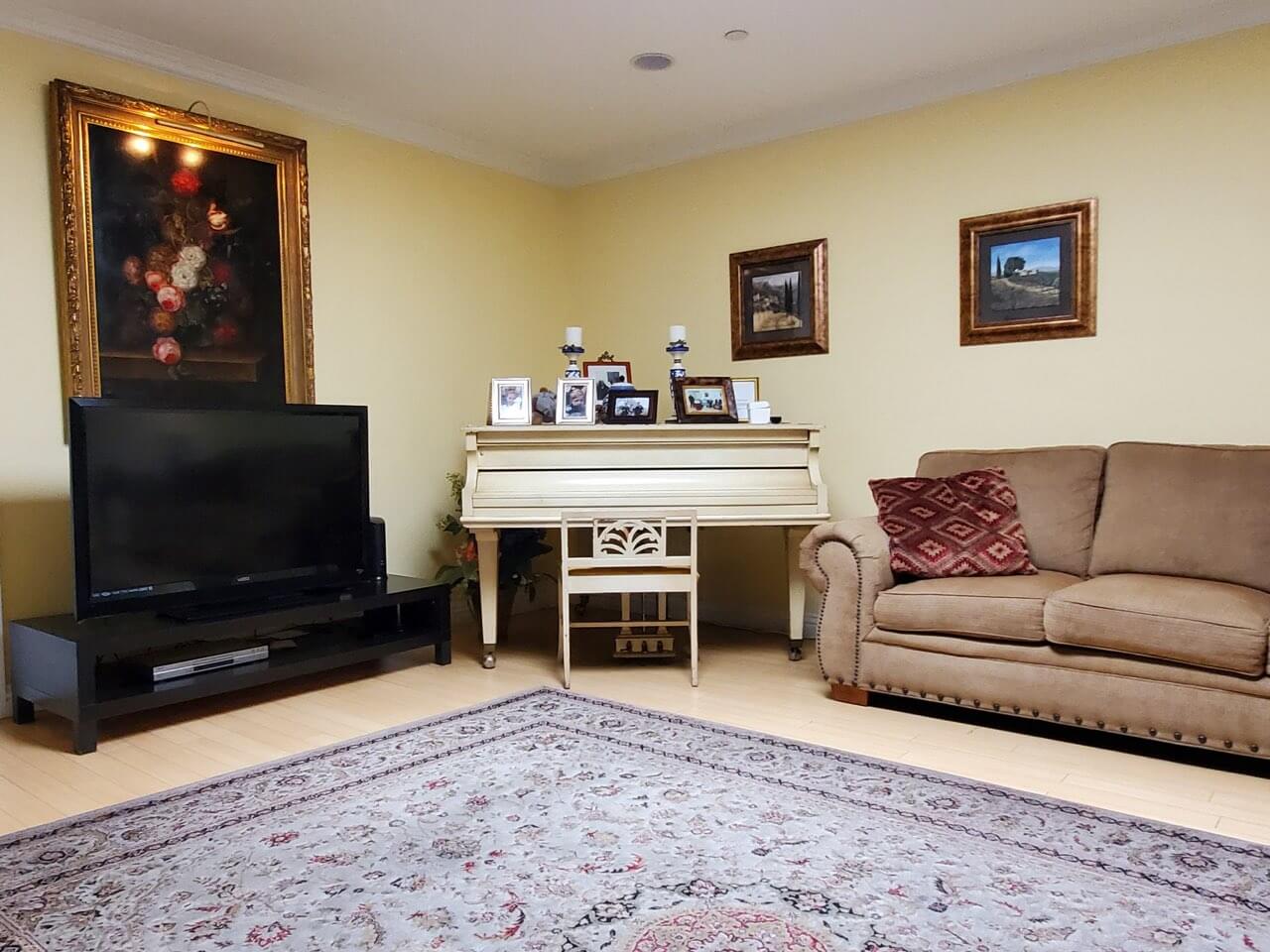
The physical environment profoundly impacts behavioral symptoms. Specialized memory care facilities for dementia with behavioral issues incorporate specific design elements based on research into dementia care environments:
Circular or figure-eight floor plans eliminate dead ends that cause confusion and frustration when wandering residents encounter barriers. These layouts provide safe walking paths that feel purposeful rather than aimless, reducing anxiety associated with spatial disorientation.
Controlled sensory environments manage noise levels, lighting, and visual stimulation to prevent overstimulation that can trigger aggressive responses. Specialized facilities avoid institutional features like overhead paging systems, harsh fluorescent lighting, and high-traffic common areas that create chaos for sensitive residents.
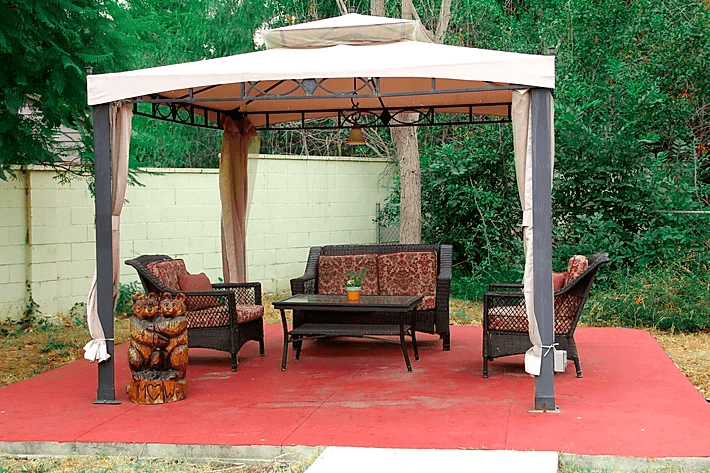
Secure outdoor spaces designed specifically for dementia residents provide crucial access to nature and fresh air, which research shows reduces agitation and improves sleep patterns. These aren’t just fenced yards but thoughtfully designed gardens with clear pathways, engaging features, and comfortable seating that encourage use.
Familiar, residential aesthetics help residents feel secure rather than institutionalized. Specialized facilities for behavioral issues understand that clinical environments can increase defensive and aggressive responses in confused individuals who may not understand they’re in a care setting.
Types of Specialized Facilities: Understanding Your Options
Not all specialized memory care facilities operate under the same model. Understanding different facility types helps families identify which setting best matches their loved one’s specific needs.
Dedicated Memory Care Units in Larger Communities
Some assisted living or nursing facilities include locked memory care units within larger campuses. These units provide security and some specialized programming but may struggle with behavioral specialization when serving 20-40 residents with varying needs and symptom levels.
The advantage lies in access to additional services—dining options, therapy rooms, medical staff—available in the larger facility. However, the institutional scale can work against residents with behavioral issues who benefit from smaller, calmer environments. Staff ratios in these units, even when advertised as specialized, typically cannot match smaller-scale alternatives.
Families should carefully evaluate whether a memory care unit truly specializes in behavioral challenges or primarily provides secure environments for moderate dementia. Ask specifically about experience with aggressive behaviors, staff-to-resident ratios during evening hours when sundowning occurs, and whether residents with persistent challenging behaviors have remained successfully in the community.
Psychiatric Memory Care Programs
For the most severe behavioral cases—particularly when aggression poses serious safety risks or when psychiatric conditions coexist with dementia—specialized psychiatric memory care programs may be necessary. These facilities, often hospital-affiliated, provide medical oversight from psychiatrists specializing in geriatric behavioral health.
These programs excel at medication management for behavioral symptoms and crisis stabilization but typically operate as short-term placements rather than long-term residential options. The environment remains highly clinical, which may not suit individuals whose behaviors don’t require intensive psychiatric intervention.
Small-Scale Board and Care for Behavioral Dementia
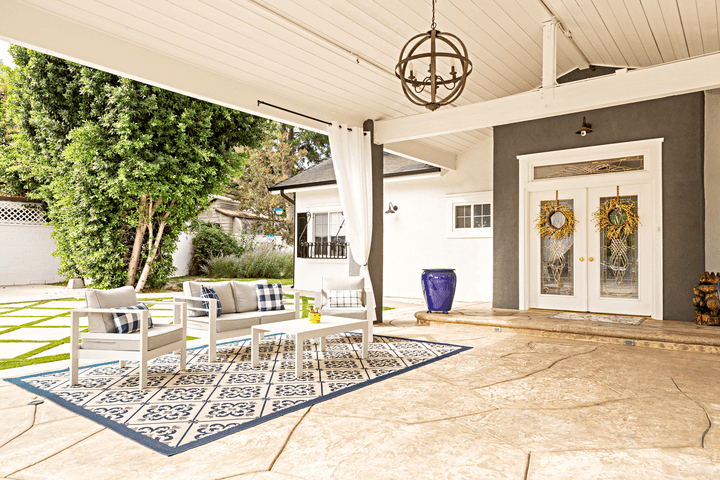
Residential board and care facilities serving six or fewer residents represent an increasingly recognized model for specialized behavioral care. The intimate scale allows for truly individualized approaches impossible in larger settings, while the home environment provides the familiarity and calm that reduce behavioral triggers.
Research published in BMC Geriatrics demonstrates that small-scale, homelike dementia care facilities improve resident quality of life, reduce behavioral symptoms, and increase family satisfaction compared to traditional institutional settings. The study found that both family caregivers and professional staff reported positive experiences with the personal attention and autonomy emphasized in small-scale facilities.
The National Institute on Aging confirms that personalized care approaches, most readily implemented in smaller settings, produce better outcomes for dementia residents than one-size-fits-all institutional models. Staff in small-scale facilities develop deep knowledge of each resident’s behavioral patterns, triggers, and effective calming techniques—knowledge that enables preventive rather than reactive behavioral management.
For families searching for nursing homes for aggressive dementia patients or wondering where combative dementia patients go when larger facilities cannot accommodate them, small-scale board and care often provides the specialized environment needed. Lower ratios mean staff can intervene early when they recognize warning signs, preventing escalation before behaviors become dangerous.
Evaluating Staff Qualifications for Behavioral Specialization

Cropped shot of a female nurse hold her senior patient’s hand. Giving Support. Doctor helping old patient with Alzheimer’s disease. Female carer holding hands of senior man
The most beautifully designed facility with excellent programming will fail without properly trained, stable staff. Evaluating caregiver qualifications and facility staffing practices reveals whether specialization extends beyond marketing to actual daily care delivery.
Required Certifications and Training Hours
Ask specific questions about staff credentials. What percentage of direct care staff hold certifications in dementia care? How many hours of behavioral management training do new employees complete before working independently with residents? What ongoing education requirements exist for maintaining employment?
Specialized facilities should demonstrate commitment through concrete training requirements, not vague statements about “experienced staff.” Documentation of completed training programs, continuing education hours, and specialized certifications indicates genuine investment in behavioral expertise.
Staff Stability and Turnover Rates
High turnover devastates behavioral dementia care. Residents with cognitive impairment need familiar faces and consistent approaches. When new caregivers constantly rotate through, residents experience increased confusion, anxiety, and defensive behaviors.
Request information about average staff tenure and annual turnover rates. Specialized facilities serving residents with behavioral challenges should show substantially lower turnover than industry averages, reflecting both appropriate staffing levels that prevent burnout and organizational cultures that value and retain experienced caregivers.
Staffing Ratios Throughout 24 Hours
Daytime staffing often looks adequate, but behavioral issues frequently intensify during evening and overnight hours due to sundowning. Ask about specific caregiver-to-resident ratios for each shift, including overnight coverage. Specialized facilities maintain appropriate ratios even during traditionally low-staffed periods because they understand behavioral challenges don’t follow business hours.
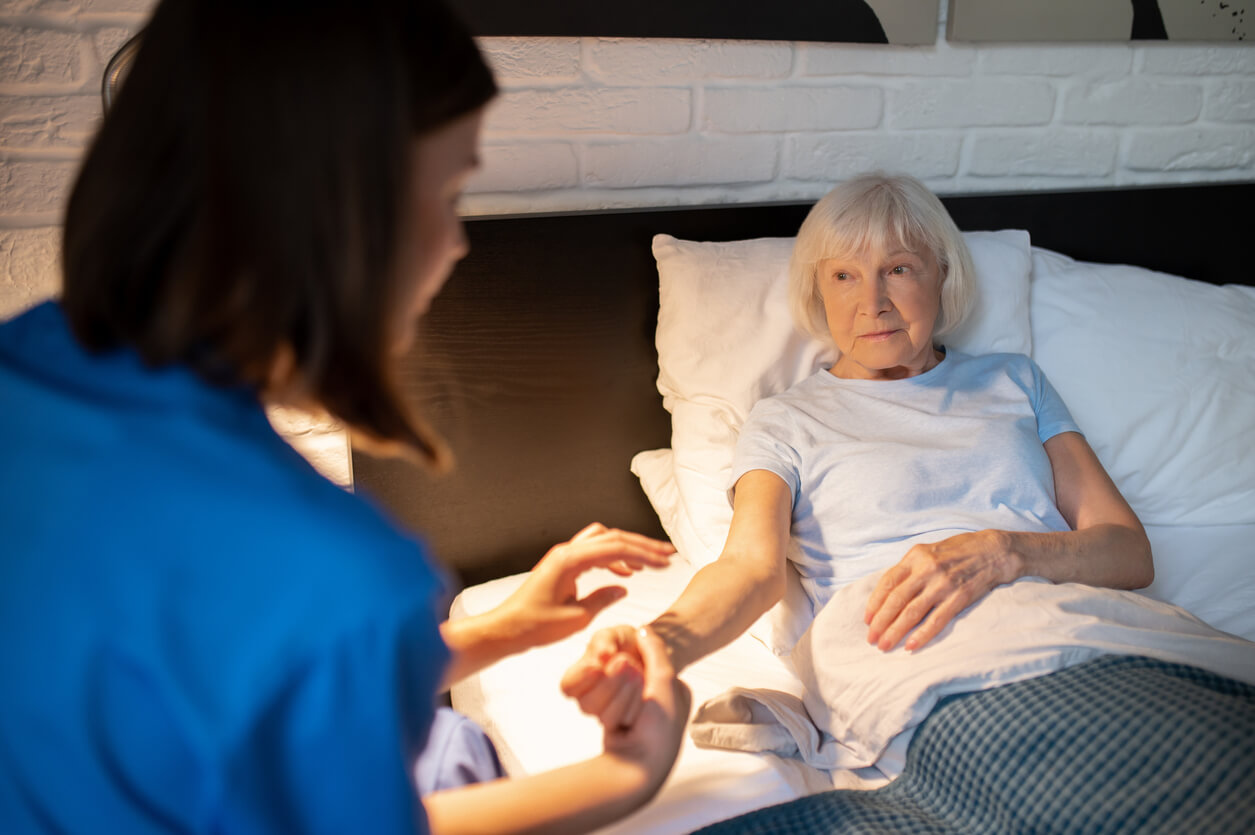
Pulse check. Doctor checking pulse of an elderly patient and looking focused
In small-scale board and care facilities, ratios of one caregiver to six or fewer residents enable the close supervision and immediate intervention that prevents behavioral escalation. Larger specialized units should maintain maximum ratios of approximately one caregiver to eight residents during waking hours, with adjustments based on acuity levels.
Approaches to Physical and Chemical Restraints
How a facility handles behavioral crises reveals its true philosophy and expertise. Specialized memory care facilities for dementia with behavioral issues should articulate clear policies against physical restraints and demonstrate judicious, monitored approaches to psychotropic medications.
Facilities relying heavily on medications to manage behaviors may lack the trained staff, environmental design, or therapeutic programming necessary for true behavioral specialization. While appropriate medication can help some residents, over-reliance on chemical restraint often indicates inadequate specialization in non-pharmaceutical behavioral interventions.
Key Questions for Evaluating Specialized Facilities
Asking the right questions during facility tours and consultations separates genuinely specialized programs from standard memory care with behavioral marketing language.
About Behavioral Experience and Philosophy
What percentage of your current residents exhibit aggressive or combative behaviors?
Can you describe your most recent successful outcome with a resident who had significant behavioral challenges?
What specific techniques does your staff use to prevent behavioral episodes rather than just responding to them?
These questions reveal actual experience rather than theoretical capability. Facilities genuinely specializing in behavioral issues readily share examples, demonstrate understanding of preventive approaches, and acknowledge the complexity of behavioral management.
What is your philosophy regarding residents whose behaviors don’t improve or who require a different level of care? Understanding discharge policies helps families avoid placing a loved one in a facility that may not commit to working through difficult adjustment periods or evolving behavioral needs.
About Daily Life and Programming

How do you structure the day to minimize triggers for behavioral symptoms? What happens when a resident refuses to participate in scheduled activities? How do you accommodate individual sleep-wake cycles for residents with disrupted circadian rhythms?
Rigid scheduling and one-size-fits-all programming contradict specialized behavioral care principles. Facilities should demonstrate flexibility, individualization, and understanding that forcing participation in scheduled activities often triggers the very behaviors they’re trying to prevent.
Can you describe your approach to residents who wander or pace continuously? How do you ensure they remain safe while honoring their need for movement? Specialized facilities recognize wandering as communication and need, not simply behavior to redirect.
About Family Communication and Partnership
How do you keep families informed about behavioral incidents and patterns? What role do families play in care planning and behavioral interventions? How quickly do you notify families when concerning behaviors emerge or change?
Specialized facilities view families as essential partners, not visitors. They maintain transparent communication, welcome family input about what works for their loved one, and proactively involve families in addressing behavioral challenges.
About Specific Services in the San Fernando Valley
For families seeking specialized care in specific locations, understanding local advantages matters. When searching for assisted living in Thousand Oaks, assisted living in Burbank, or senior living in Thousand Oaks, consider how location impacts family involvement and medical access alongside facility qualifications.
Proximity to family enables regular visits, which research shows benefit dementia residents significantly. The ability to visit frequently allows families to monitor care quality, maintain relationships, and participate in activities, all of which contribute to reduced behavioral symptoms.
Access to specialized medical services—geriatric psychiatrists, neurologists familiar with behavioral dementia, hospital emergency departments experienced with dementia patients—varies by location. Areas with strong medical infrastructure supporting dementia care provide valuable backup when behavioral situations require professional consultation.
Understanding the Benefits of Memory Care Specialization
Families often question whether specialized memory care justifies higher costs and the emotional difficulty of transitioning a loved one from home or less specialized settings. Understanding concrete benefits helps with this difficult decision.
Reduced Behavioral Incidents Through Prevention
Specialized facilities don’t just manage behavioral crises more effectively—they prevent many episodes from occurring. Through environmental design, individualized scheduling, trained staff recognition of early warning signs, and therapeutic programming that addresses underlying needs, these facilities reduce the frequency and intensity of challenging behaviors.
This prevention means residents spend less time in crisis, require fewer emergency interventions, and experience better quality of life. It also means families worry less, visit more comfortably, and maintain more positive relationships with their loved ones.
Improved Safety for Residents and Others
Aggressive or combative behaviors pose risks to the individual, other residents, and caregivers. Specialized facilities reduce these safety concerns through appropriate staffing, trained de-escalation techniques, and environmental features that minimize dangerous situations.
In facilities without behavioral specialization, residents who strike out may be restrained or over-medicated. Other residents may be placed at risk. Families may receive calls about needing to find alternative placement. Specialized settings prevent these failures through proper preparation and expertise.
Better Quality of Life Despite Symptoms
Perhaps most importantly, specialized memory care facilities for dementia with behavioral issues understand that behavioral symptoms don’t define residents. Behind aggressive outbursts are individuals with histories, personalities, preferences, and needs for dignity and connection.
Specialized care focuses on maintaining quality of life despite challenging symptoms. Through validation approaches, meaningful activities matched to abilities, and caregivers who see the person beyond the behaviors, these facilities enable residents to experience comfort, engagement, and moments of joy even as dementia progresses.
When Specialized Memory Care Becomes Necessary
Recognizing the right timing for specialized placement prevents crises and enables smoother transitions. Several indicators suggest standard care settings no longer provide adequate support.
If aggressive behaviors are escalating in frequency or intensity despite interventions, specialized care offers the expertise and environment needed to break this pattern. Waiting until a crisis occurs—injury, facility discharge, caregiver burnout—makes transitions more traumatic for everyone involved.
When family or professional caregivers feel unsafe managing behaviors, specialized placement protects everyone. Caregivers who experience fear, injuries, or constant stress cannot provide quality care, and their tension often exacerbates residents’ behavioral symptoms.
If your loved one has been asked to leave a facility due to behavioral challenges, the next placement must provide genuine specialization to prevent repeated failures. Facilities without behavioral expertise may accept residents initially but request removal when behaviors prove difficult, creating devastating cycles of displacement.
When multiple medications haven’t adequately controlled behavioral symptoms, the issue may be environmental rather than pharmacological. Specialized facilities offering therapeutic programming and appropriate settings sometimes enable medication reductions while improving behaviors—outcomes impossible in non-specialized environments.
Making the Final Decision

Choosing specialized memory care facilities for dementia with behavioral issues ranks among the most difficult decisions families face. The process involves balancing practical concerns, emotional needs, quality indicators, and sometimes imperfect options.
Visit multiple facilities to establish meaningful comparisons. During tours, observe staff interactions with current residents who exhibit behavioral challenges. Do caregivers respond calmly and compassionately, or do they seem frustrated or fearful? Watch whether staff engage residents individually or manage groups impersonally.
Request references from families whose loved ones had similar behavioral profiles. Understanding others’ experiences provides insight impossible to gain from facility presentations alone. Ask these families about responsiveness to concerns, communication patterns, and whether behavioral symptoms improved, stabilized, or worsened after placement.
Consider the total care environment beyond specific behavioral programs. Does the setting feel comfortable and home-like, or institutional and clinical? Would you want to spend time there as a visitor? Settings that feel welcoming to families generally feel less threatening to residents, reducing defensive and aggressive responses.
Royal Garden’s Approach to Behavioral Specialization
At Royal Garden Board & Care, we’ve built our reputation throughout the San Fernando Valley on providing specialized care for residents other facilities often decline—particularly those with aggressive dementia and challenging behavioral symptoms. Our family-owned board and care homes in Tarzana, Valley Glen, Burbank, and Thousand Oaks operate on the small-scale model that research confirms delivers superior outcomes for behavioral dementia.
With only six residents maximum per facility, our caregivers develop the deep familiarity essential for preventing behavioral episodes. They learn each resident’s unique communication patterns, recognize subtle warning signs of distress, and implement individualized calming approaches long before behaviors escalate to aggression.
Our administrator with a Master’s degree in Psychology guides care approaches across all locations, ensuring evidence-based practices inform daily interactions. This professional oversight, combined with our family-owned commitment to personal attention, creates specialized behavioral care that maintains dignity while managing challenging symptoms.
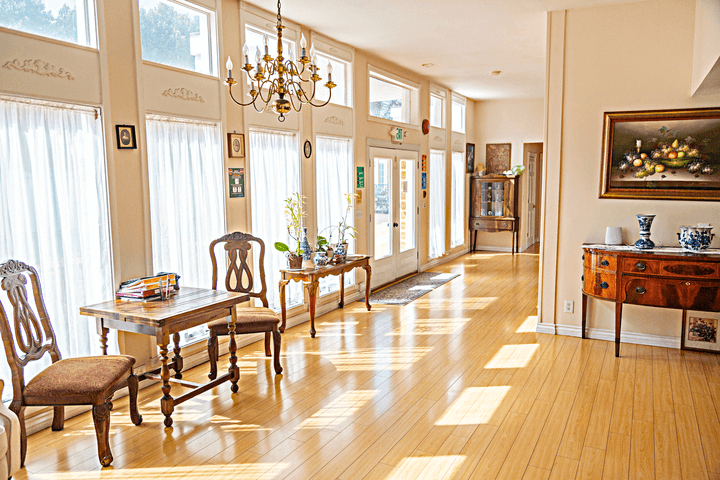
The home-like environment we provide reduces the confusion and anxiety that institutional settings create for many dementia residents. Our facilities feel like actual homes because they are—residential properties with comfortable furnishings, peaceful atmospheres, and outdoor spaces that encourage therapeutic time in nature.
For families searching for specialized memory care facilities for dementia with behavioral issues in the San Fernando Valley, we invite you to experience the difference that genuine specialization makes. Contact Royal Garden BC at (818) 512-7650 to discuss your loved one’s specific situation and schedule a tour of our Tarzana, Valley Glen, Burbank, or Thousand Oaks locations.
We understand that behavioral symptoms don’t diminish the person experiencing them—they signal needs we’re trained and equipped to address with compassion, expertise, and the individualized attention that only small-scale, specialized care can provide.