

Seeing a loved one change is never easy, but witnessing them become aggressive can be heartbreaking and frightening. Families often struggle in silence, feeling guilty about their inability to manage these behavioral changes at home. It is important to know that you are not alone; aggression affects approximately 50% of individuals with dementia at some point during their disease progression.
The good news is that specialized memory care environments are designed specifically to handle these challenges. With trained staff, secure layouts, and personalized behavioral plans, these facilities can often reduce aggression and improve quality of life. This guide will walk you through everything you need to know about finding the right care for a loved one with aggressive behaviors, from understanding the root causes to navigating the financial and legal aspects of placement.
At Royal Garden Board & Care Homes, we understand the complexities of dementia care. We believe that with the right support, safety and dignity can be restored for both the patient and their family.
What Causes Aggressive Behavior in Dementia Patients?

Aggression in dementia is rarely “bad behavior” or intentional malice. Instead, it is a form of communication—often a distress signal from a brain that can no longer process information or express needs effectively.
Common Triggers and Warning Signs
Understanding triggers is the first step in management. Common causes include:
- Pain or discomfort: Undiagnosed infections (like UTIs), constipation, or medication side effects.
- Disorientation: Confusion about time, place, or the identity of caregivers.
- Fear and frustration: The inability to communicate basic needs or understand instructions.
- Overstimulation: Excessive noise, crowded spaces, or visual clutter.
- Routine changes: A new caregiver or a disrupted daily schedule.
Warning signs often precede an outburst. Look for verbal outbursts, pacing, clenching fists, resisting care, or throwing objects.
Medical Conditions That Contribute to Aggression
Several treatable conditions can exacerbate behavioral issues:
- Urinary tract infections (UTIs) are a leading cause of sudden behavioral changes.
- Dehydration can lead to delirium and confusion.
- Medication interactions may cause agitation.
- Untreated chronic pain from arthritis or other conditions.
- Depression and anxiety, which are common in dementia but often overlooked.
- Sundowning, a phenomenon where agitation peaks in the late afternoon and evening.
Environmental Factors That Increase Agitation
The environment plays a crucial role. Factors like poor lighting (creating scary shadows), uncomfortable temperatures, or unfamiliar surroundings can trigger a “fight or flight” response. A lack of privacy during personal care tasks like bathing can also feel threatening to a confused individual.
When Should You Consider Memory Care for an Aggressive Patient?
Making the decision to move a loved one is difficult, but safety must be the priority. Waiting too long can lead to a crisis situation.
Signs Home Care Is No Longer Safe
- Frequent violent outbursts that endanger the primary caregiver.
- Inability to manage activities of daily living (like bathing) without physical resistance.
- Wandering or elopement risks combined with aggression when redirected.
- Caregiver physical injury or “near-miss” incidents.
- The need for 24/7 awake supervision exceeding family capacity.
Caregiver Burnout Warning Signs
Your health matters too. Warning signs include physical exhaustion, social isolation, depression, resentment toward your loved one, and neglecting your own health or other family members.
Safety Risks to Consider
Beyond direct violence, aggression poses other risks such as falls during altercations, self-injury behaviors, refusal of critical medications or nutrition, and danger to other vulnerable household members like children or pets.
What Stage of Dementia Is Aggressive Behavior Most Common?
Aggression is not uniform throughout the disease. Personality changes often evolve as the condition progresses.
Early Stage: Personality Changes
In the early stage (often lasting 2-4 years), you may notice increased irritability, mood swings, and verbal frustration. Physical aggression is generally minimal, but “short fuses” become common.
Middle Stage: Peak Aggression (2-4 Years)
This is typically the most challenging period. Increased confusion and disorientation often lead to physical resistance during care. Verbal and physical outbursts are most pronounced during this stage as the person loses the ability to contextualize their environment.
Late Stage: Physical Aggression (1-2 Years)
As severe cognitive decline sets in, physical capability decreases. While physical behaviors may reduce due to mobility issues, patients may still strike out when touched or moved due to fear or pain.
Different Types of Dementia and Aggression Patterns
- Alzheimer’s disease: Gradual progression with aggression typically peaking in the middle stage.
- Vascular dementia: Step-wise changes; strokes can cause sudden, sharp personality shifts.
- Lewy body dementia: Hallucinations and paranoia are prominent, often driving defensive aggression.
- Frontotemporal dementia: Characterized by early-onset behavioral changes, impulsivity, and disinhibition.
Do Memory Care Facilities Accept Aggressive Dementia Patients?
Yes, but not all facilities are equipped for every level of behavior. Finding the right fit is essential.
Types of Facilities That Specialize in Behavioral Issues
- Dedicated memory care units: Secure environments within larger communities.
- Board and care homes: Residential settings with high staff ratios, like Royal Garden BC.
- Specialized dementia care communities: Facilities exclusively for memory care.
- Nursing homes: Some have specialized behavioral health wings for severe cases.
Specialized vs. Standard Memory Care Units
Standard memory care offers general support for wandering and confusion. Specialized behavioral units offer enhanced staff training, specific crisis protocols, and environmental modifications. It is worth noting that 99% of high-quality memory care networks require specialized staff training for dementia care.
Board and Care Homes: Are They Equipped?
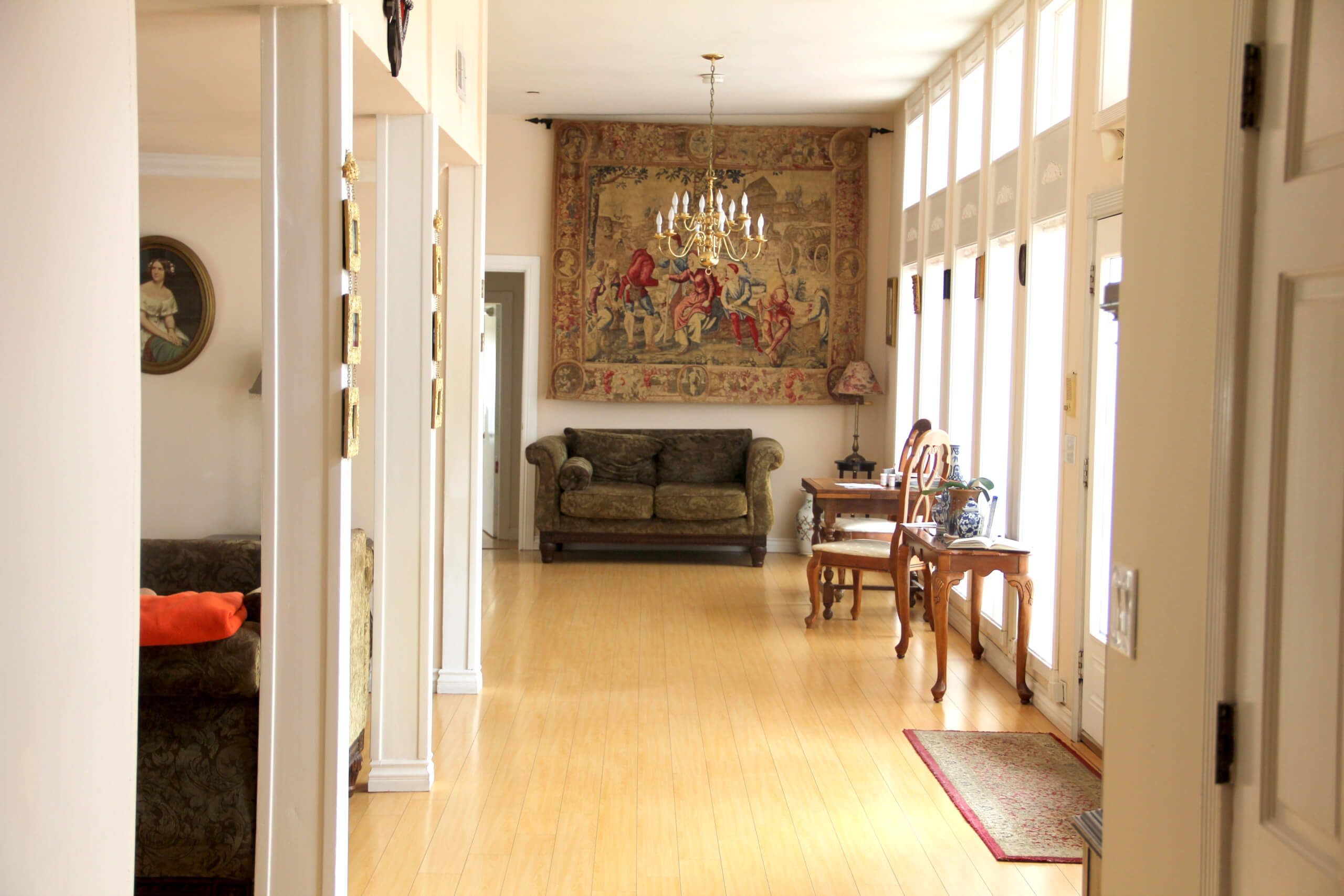
Board and care homes are smaller, residential settings typically housing 6-20 residents. They often have higher staff-to-resident ratios and offer more personalized care than large institutions. For some aggressive patients, the quieter, home-like environment is less overstimulating than a large facility. Visit our services page to learn more about our specific offerings.
How Do Memory Care Facilities Manage Aggressive Behavior?
Professional management relies on technique, not force. The goal is de-escalation and comfort.
Staff Training and De-Escalation Techniques
Staff are trained in redirection and distraction. They use calm, reassuring communication and non-threatening body language. Crucially, they know to postpone tasks when resistance occurs—stopping a bath and trying again later is better than forcing a struggle. Harvard Health notes that nondrug options are often more effective than medication for managing agitation.
Personalized Care Plans
Effective care starts with an individual behavioral assessment to identify triggers. Care plans customize daily routines and incorporate activity preferences to keep residents engaged and calm.
Environmental Design Features
Facilities use calming color schemes, adequate lighting without glare, and quiet spaces for sensory breaks. Secure outdoor areas allow for safe movement, which can burn off anxious energy.
When Medication Becomes Necessary
Medication is typically a last resort after behavioral interventions. However, the FDA has approved Rexulti (brexpiprazole) specifically for agitation associated with Alzheimer’s dementia. Antipsychotics are used cautiously and under strict physician supervision due to potential side effects.
What Should You Look for in Care Homes for Aggressive Dementia Patients?
Essential Questions to Ask During Tours
- What percentage of your residents have behavioral challenges?
- What specific training do staff receive in aggression management?
- What is your crisis protocol for violent episodes?
- How do you communicate with families about incidents?
- Are there dedicated behavioral specialists on staff?
- What is your philosophy on the use of PRN (as-needed) sedating medications?
Staff-to-Resident Ratios
For behavioral care, ideal ratios are often 1:4 or better during the day and 1:6 overnight. Look for consistent staffing with low turnover, as familiar faces reduce patient anxiety.
Security Features and Safety Protocols
Ensure the facility has secured exits, monitoring systems, and clear emergency response procedures. Staff should be trained in safe physical interventions to protect residents without causing harm.
Red Flags to Watch Out For
Be wary if staff seem overwhelmed, if there is a heavy reliance on restraints or sedation, or if residents appear disengaged or over-medicated. A facility that is defensive when asked about their behavioral policies is a major red flag.
Can Memory Care Facilities Evict Aggressive Residents?
This is a common fear for families. While eviction is possible, it is regulated.
Legal Rights and Regulations
Facilities can discharge residents who pose a significant safety risk to themselves or others. However, they typically must provide a 30-day notice (varying by state) and are required to assist families in finding alternative placement. They cannot evict without cause or due process.
When Eviction Might Happen
Eviction usually occurs after repeated violence toward staff or other residents that the facility cannot safely manage, or if the resident requires a higher level of psychiatric care than the license permits.
Where Do Combative Patients Go After Eviction?
Options include nursing homes with dedicated behavioral units, psychiatric facilities for short-term crisis stabilization, or specialized memory care facilities with higher security levels.
How Much Does Memory Care Cost for Aggressive Patients?
Care costs vary significantly by region and the level of support required.
Average Memory Care Costs (2026 Estimates)
- Standard Memory Care: $5,900 – $7,500 per month.
- Specialized Behavioral Units: $7,000 – $10,000+ per month.
- Board and Care Homes: $3,000 – $6,000 per month.
- Skilled Nursing Facilities: $8,000 – $12,000+ per month.
Cost Comparison Table
| Care Setting | Monthly Cost Range | Staff Ratio | Best For | Coverage Options |
|---|---|---|---|---|
| Board & Care Home | $3,000 – $6,000 | 1:4 – 1:6 | Mild-moderate aggression, personalized care | Private pay, some Medicaid |
| Standard Memory Care | $5,900 – $7,500 | 1:6 – 1:8 | General dementia care | Private pay, LTC insurance |
| Specialized Behavioral Unit | $7,000 – $10,000+ | 1:4 – 1:5 | Moderate-severe aggression | Private pay, LTC insurance |
| Skilled Nursing (Behavioral) | $8,000 – $12,000+ | 1:5 – 1:8 | High medical needs + aggression | Medicare (short-term), Medicaid |
Financial Planning and Assistance Options
Medicare generally does not cover long-term custodial memory care. Families often rely on private funds, long-term care insurance, or Veterans benefits (such as Aid & Attendance). Medicaid may cover nursing home care for those who qualify financially.
How Can Family Caregivers Cope With an Aggressive Dementia Patient at Home?
If placement isn’t an option yet, these strategies can help manage the home environment.
De-Escalation Strategies That Work
Stay calm and speak softly. Give the person space—do not corner them. Identify and remove triggers immediately. Redirect attention to pleasant topics or activities. Do not argue or try to reason logically; instead, validate their feelings (“I see you are upset”) and use therapeutic fibbing if necessary to reduce distress.
Creating a Calm Home Environment
Reduce noise and clutter. Maintain consistent lighting to prevent shadows. Use soft colors and clear pathways. Remove dangerous objects and use simple visual cues to guide them.
Respite Care Options
You cannot pour from an empty cup. Utilize adult day programs, short-term residential respite stays, or in-home respite workers to get a break. This is critical for preventing burnout.
When to Seek Emergency Help
If there is immediate danger to the patient, yourself, or others, or if you cannot de-escalate a violent situation, call 911. Inform the operators that the patient has a dementia diagnosis so first responders can approach appropriately.
Frequently Asked Questions
What to do when a dementia patient is combative?
Stay calm, remove triggers, give space, and redirect. If the person is in immediate danger or causing harm, call for emergency help. Document patterns to identify triggers and discuss medication or care plan adjustments with healthcare providers.
Do memory care facilities take aggressive patients?
Yes, many do. Specialized units and board and care homes often accept aggressive patients, provided they have the appropriate staffing and protocols. Not all facilities are equipped, so detailed questions during tours are essential.
What stage of dementia is aggressive behavior?
Aggressive behavior is most common during the middle stage of dementia, which typically lasts 2-4 years. However, aggression can occur at any stage depending on the dementia type and individual factors.
Can dementia patients be evicted from memory care?
Yes, facilities can discharge residents who pose ongoing safety risks that the facility cannot manage. However, they must follow specific legal procedures, including providing written notice and assistance in finding alternative placement.
Conclusion
Aggressive behavior in dementia is one of the most challenging aspects of the disease, but it is manageable with the right care and environment. Specialized memory care facilities offer the trained staff, safety protocols, and personalized approaches necessary to handle these complex behaviors with dignity and compassion.
If home care has become unsafe or overwhelming, seeking professional help is not giving up—it is a proactive step toward ensuring the safety and quality of life for your loved one. Specialized settings like board and care homes can provide the intimate, attentive support needed to reduce anxiety and aggression.
Contact Royal Garden Board & Care Homes to learn about our specialized memory care services for residents with behavioral challenges. Our intimate, residential settings provide the personalized attention and expert care your loved one deserves. Call us today to schedule a tour and discuss your family’s unique needs.