
When a family member begins showing signs of memory loss or has been diagnosed with dementia, one of the most difficult decisions you’ll face is determining the right level of care. Assisted living with memory care offers specialized support designed for seniors with Alzheimer’s disease and other forms of dementia, but understanding whether this option aligns with your loved one’s needs requires careful consideration of several factors.
Understanding Assisted Living with Memory Care
Assisted living with memory care combines the residential support of traditional assisted living with specialized programs tailored to individuals experiencing cognitive decline. These facilities provide assistance with daily activities like bathing, dressing, and medication management, while also offering memory-specific programming, secured environments, and staff trained in dementia care techniques.
In contrast to standard assisted living facilities, memory care units feature enhanced safety measures such as monitored exits, structured daily routines, and specialized activities designed to support cognitive function. The staff-to-resident ratios are typically higher than in traditional assisted living, ensuring that individuals with memory impairments receive the supervision and personalized attention they need.
The goal of memory care is to maintain dignity and quality of life while providing the level of supervision needed to keep residents safe. This specialized approach addresses the unique challenges of dementia, including wandering behaviors, confusion with daily tasks, and the need for consistent routines that help reduce anxiety and agitation.
Signs Your Loved One May Need Memory Care

Recognizing when it’s time to consider assisted living with memory care can be challenging. Several indicators suggest that specialized memory care may be appropriate:
Safety Concerns at Home
As dementia progresses, safety concerns become increasingly common. If your loved one forgets to turn off the stove, leaves doors unlocked, wanders from home, or has experienced falls, these red flags indicate a need for a more supervised environment. Other safety issues include:
- Driving incidents or getting lost while driving
- Leaving the home at inappropriate times, especially at night
- Forgetting to take essential medications
- Inability to respond appropriately in emergencies
- Leaving water running or appliances on
When memory loss interferes with daily safety, the risks cannot be ignored, as they increase significantly with cognitive decline.
Difficulty with Daily Activities
Difficulty with activities of daily living (ADLs) such as bathing, dressing, eating, or preparing meals signals that your family member needs more support than occasional check-ins can provide. When cognitive decline makes these basic tasks confusing or impossible to complete independently, professional assistance becomes essential.
Initially, early-stage dementia might mean your loved one needs gentle reminders, however, as the condition advances, they may require hands-on help with personal hygiene, grooming, and maintaining appropriate nutrition. This level of care demands trained professionals who understand how to provide assistance while preserving dignity.
Progressive Cognitive Decline
As dementia advances through its stages, the complexity of care needs increases dramatically. Specifically, middle to late-stage dementia often brings:
- Severe confusion about time, place, and people
- Difficulty recognizing family members
- Complete dependence for personal care tasks
- Communication challenges
- Increased risk of medical complications
These progressive changes require specialized environments where staff members understand the disease trajectory and can adapt care accordingly.
Caregiver Burnout
Unfortunately, caregiver burnout affects many families providing round-the-clock care. If you or other family members feel overwhelmed, exhausted, depressed, or unable to provide the level of attention your loved one needs, it may be time to explore professional memory care options.
Signs of caregiver burnout include:
- Chronic fatigue and sleep problems
- Neglecting your own health needs
- Withdrawal from social activities
- Feelings of resentment toward your loved one
- Increased anxiety or depression
Taking care of yourself is not selfish—it’s necessary for everyone’s wellbeing. Transitioning to professional memory care often strengthens family relationships, as relatives can focus on quality time together rather than the constant stress of daily caregiving tasks.
Behavioral Changes
Additionally, behavioral changes including aggression, severe anxiety, significant personality shifts, or sundowning often require specialized intervention. Memory care staff members receive training specifically designed to manage challenging behaviors common in dementia patients, using techniques that preserve dignity while ensuring safety.
Challenging behaviors that may indicate the need for professional memory care include:
- Physical aggression toward family members or caregivers
- Verbal outbursts or constant agitation
- Paranoia or delusions
- Severe anxiety or panic attacks
- Inappropriate sexual behavior
- Repetitive actions that disrupt household functioning
Memory Care vs. Other Senior Living Options
Understanding the differences between various care settings helps you make an informed decision about what’s most appropriate for your loved one’s current needs.
Memory Care vs. Skilled Nursing
In contrast, skilled nursing facilities provide medical care for individuals with serious health conditions requiring constant medical supervision, including IV therapy, wound care, or recovery from surgery. While skilled nursing facilities can accommodate dementia patients, they focus primarily on medical needs rather than specialized memory care programming.
Memory care, by contrast, centers on managing cognitive decline through specialized activities, secure environments, and dementia-trained staff. Families should choose memory care when their loved one’s primary need is supervision and support related to dementia, and skilled nursing when complex medical conditions require licensed nursing care around the clock.
Memory Care vs. In-Home Care
In-home care allows seniors to remain in familiar surroundings while receiving assistance with daily tasks. Initially, this option works well for early-stage dementia when safety risks are minimal and the home environment can be modified appropriately.
Nevertheless, as dementia progresses, in-home care faces significant limitations:
- Inability to provide 24/7 supervision
- Lack of specialized dementia programming
- Limited social interaction opportunities
- Challenges maintaining a safe home environment
- Higher costs for round-the-clock care compared to facility-based care
Assisted living with memory care becomes more appropriate when your loved one needs constant supervision, benefits from structured activities, or when home modifications cannot adequately address safety concerns.
How Much Does Assisted Living Cost?
Cost is understandably a major consideration for families evaluating their options. The price of assisted living with memory care varies significantly based on location, level of care needed, and facility amenities.
In California, particularly in the Los Angeles area and San Fernando Valley, families can expect memory care to cost between $5,000 and $9,000 per month, with some premium facilities charging more. These costs typically cover room and board, 24-hour supervision, medication management, specialized activities, and assistance with daily living tasks.
What’s Included in Memory Care Costs
First, understanding exactly what your monthly fee covers helps you compare assisted living facilities accurately. Typical standard inclusions encompass:
- Private or semi-private room accommodation
- Three meals per day plus snacks
- 24-hour supervision and security
- Assistance with bathing, dressing, and grooming
- Medication management and reminders
- Housekeeping and laundry services
- Structured daily activities and programming
- Emergency response systems
- Basic utilities
Additional Fees to Consider
In addition, many facilities charge separately for services beyond the base monthly rate. Ask about costs for:
- Higher levels of care as needs increase
- Incontinence supplies
- Specialized therapies (physical, occupational, speech)
- Transportation to medical appointments
- Beauty salon services
- Private duty nursing or one-on-one care
- Move-in fees or community fees
Factors That Influence Memory Care Costs
Several factors influence the final cost:
Level of care required: Residents needing more intensive one-on-one support or assistance with behavioral challenges may pay higher rates. Some facilities use tiered pricing based on care level assessments.
Facility size and model: Smaller, home-like environments often provide more personalized care than large institutional settings. Board and care homes with 6 or fewer residents may price differently than large memory care wings with 30+ residents.
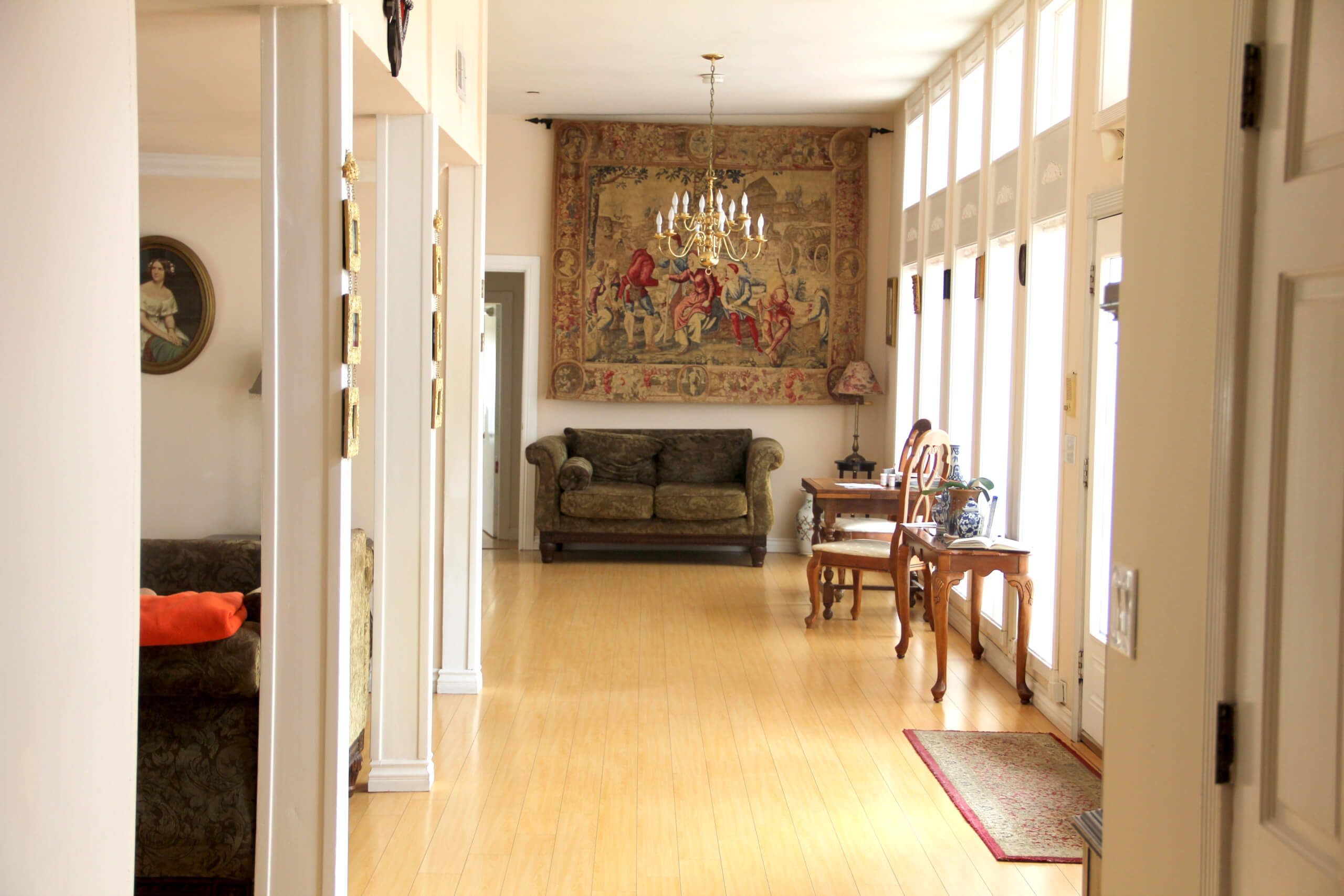
Geographic location: Areas with higher costs of living generally have higher care costs. Urban facilities in Los Angeles or San Francisco cost significantly more than rural California locations.
Amenities and services: Facilities offering extensive amenities like therapy pools, salon services, or specialized programs may charge premium rates.
Staff-to-resident ratios: Better staffing ratios typically mean higher costs but also translate to more personalized attention and better outcomes.
It’s important to get detailed pricing information upfront, including any additional fees that might not be included in the base monthly rate. Ask about rate increase policies and whether costs rise as care needs increase.
Will Medicaid Pay for Assisted Living?
Understanding payment options is crucial when planning for memory care. The answer to whether Medicaid will cover assisted living costs is complex and depends on your state and specific circumstances.
Medicaid Coverage Limitations
Unfortunately, standard Medicaid typically does not cover room and board in assisted living facilities. Medicaid is designed primarily to cover medical services and skilled nursing care in nursing homes, not the residential costs of assisted living.
Nevertheless, some states offer Home and Community-Based Services (HCBS) waivers that can help cover certain services within assisted living settings, though availability varies widely and waiting lists are often long.
California-Specific Programs
In California, the Assisted Living Waiver (ALW) program may provide assistance for qualifying individuals, but memory care in most assisted living facilities is not fully covered by Medicaid. The program has strict eligibility requirements and limited enrollment.
Alternative Payment Options
Families should explore multiple funding sources:
VA Benefits: Veterans and surviving spouses may qualify for Aid and Attendance benefits, which can provide several thousand dollars monthly toward assisted living costs.
Long-term care insurance: Policies purchased before diagnosis may cover memory care, though coverage terms vary significantly. Review your policy carefully to understand what’s covered and for how long.
Medi-Cal programs: While limited, some Medi-Cal programs might cover certain services within assisted living settings.
Combination payment strategies: Many families use personal funds, insurance benefits, and available government programs together to afford memory care.
Life insurance conversions: Some life insurance policies can be converted or sold to help fund long-term care.
Consulting with a financial advisor who specializes in elder care or speaking directly with facilities about payment options can help you understand what resources are available and how to maximize them.
Choosing Between Assisted Living Facilities
Not all assisted living facilities offering memory care are created equal. When evaluating options, several key factors deserve close attention.
Facility Size and Environment
Research on quality of care in assisted living memory care settings demonstrates the importance of three key factors: specialized staff training, personalized attention, and active engagement in meaningful activities. A study published in The Gerontologist examining dementia care in assisted living facilities found that residents experienced better quality of life outcomes in facilities that employed specialized workers, provided comprehensive staff training in dementia care, and actively encouraged participation in tailored activities—all hallmarks of effective memory care programs.
While large facilities with 50+ residents may offer extensive amenities, they can feel overwhelming for individuals with dementia. The noise, activity, and constant stream of unfamiliar faces can increase confusion and agitation. In contrast, smaller settings with 6-20 residents create calmer environments where staff can provide truly personalized attention and build consistent relationships with residents.
Staff Training and Ratios

Staff training and ratios directly impact care quality. Ask facilities:
- What dementia-specific training do caregivers receive?
- How often is training updated?
- What is the staff-to-resident ratio during day, evening, and night shifts?
- How long have current staff members worked at the facility?
- Is there an RN on staff or on-call?
- How does the facility handle behavioral challenges?
Lower staff-to-resident ratios typically translate to more personalized attention and better outcomes. For memory care, look for ratios no higher than 1:6 during the day and 1:8 at night.
Physical Environment Design
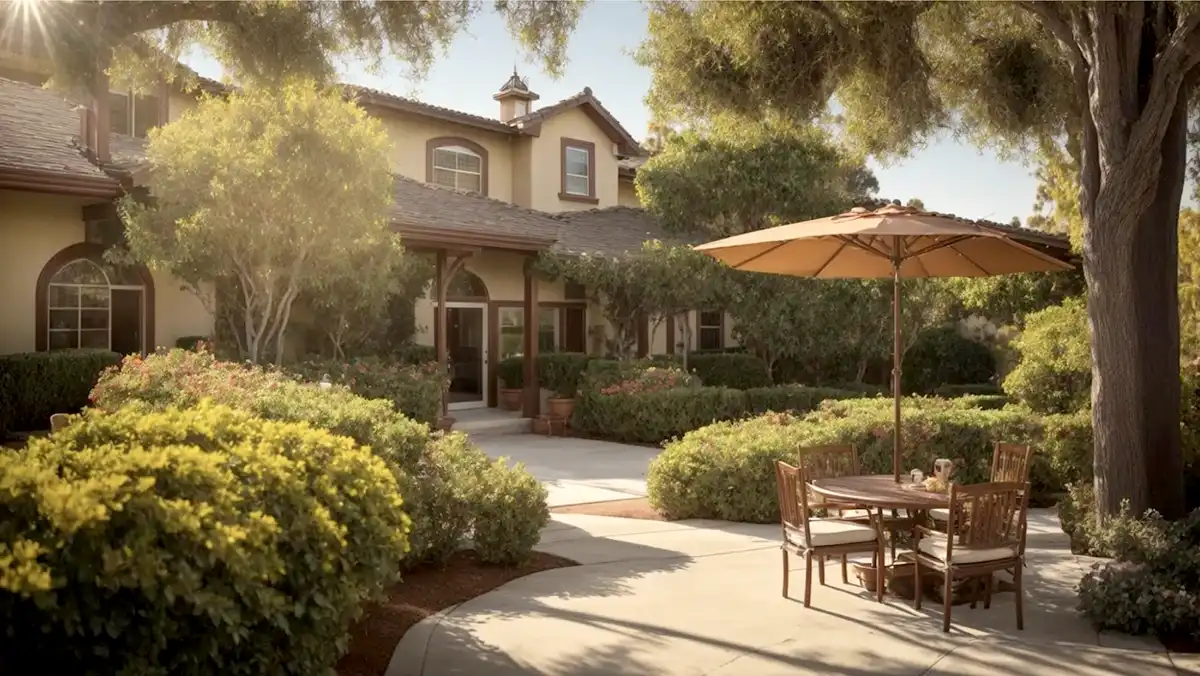
Importantly, the physical environment should feel safe yet not institutional. Look for spaces that feel home-like, with familiar furnishings, clear signage, and secure outdoor areas. The best facilities balance safety features with a comfortable, non-clinical atmosphere that supports residents’ dignity.
Key environmental features to evaluate:
- Secure outdoor spaces for safe wandering
- Clear, simple layouts that reduce confusion
- Good lighting that minimizes shadows and glare
- Comfortable common areas that encourage socialization
- Familiar, residential-style furnishings
- Personal touches in resident rooms
- Memory boxes or displays outside rooms to help with room recognition
Specialized Programming
Furthermore, specialized programming for memory care should include activities tailored to cognitive abilities, consistent daily routines, and opportunities for meaningful engagement. Quality programs include:
- Music therapy and sing-alongs
- Reminiscence activities using photos and familiar objects
- Gentle exercise programs adapted for dementia patients
- Sensory stimulation activities
- Art and creative expression
- Pet therapy
- Life skills activities like folding laundry or setting tables
The best facilities don’t just keep residents busy—they create purposeful activities that maintain abilities, reduce anxiety, and foster a sense of accomplishment.
Questions to Ask During Facility Tours
Come prepared with specific questions to help you evaluate whether a facility meets your standards:
About Care Approach:
- How do you handle residents who resist care?
- What happens if my loved one’s behavior becomes challenging?
- How do you manage sundowning or nighttime wandering?
- What is your approach to medication management?
About Daily Life:
- What does a typical day look like?
- How flexible are schedules if my loved one prefers different routines?
- Can residents bring familiar furniture or belongings?
- Are family members welcome to visit anytime?
- Can I join my loved one for meals?
About Staff:
- What is the average staff tenure?
- How do you handle call-outs or staffing shortages?
- Is the same caregiver assigned to residents for consistency?
- What happens in emergencies?
About Medical Care:
- How are medical needs managed?
- What happens if my loved one needs to go to the hospital?
- Do you work with hospice providers?
- How are families notified of health changes?
The Royal Garden Approach to Memory Care
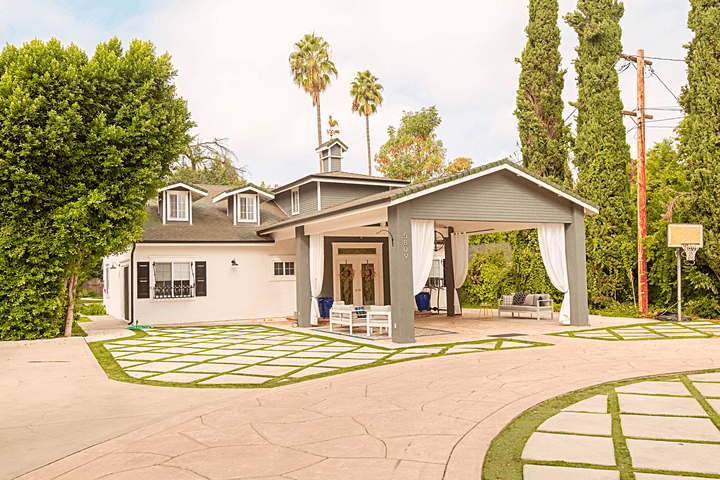
At Royal Garden Board & Care, our small-scale approach allows for truly personalized memory care. With a maximum of six residents per home, our staff knows each person intimately—their preferences, their history, their unique behavioral patterns. This individualized attention creates an environment where residents with challenging dementia symptoms can receive the specialized support they need in a calm, familiar setting.
Additionally, we specialize in supporting individuals with challenging behavioral symptoms, working closely with families to create environments where their loved ones feel safe, understood, and valued. Our team’s expertise in managing the complex needs of dementia patients, combined with our small-scale model, allows us to provide the kind of personalized care that maintains dignity and quality of life.
With locations throughout the San Fernando Valley—including Tarzana, Valley Glen, Burbank, and Thousand Oaks—we serve families seeking premium, personalized memory care close to home.
Transitioning Your Loved One to Memory Care
Making the physical move to assisted living with memory care requires thoughtful planning to ease the transition for both your loved one and your family.
Emotional Preparation

First, start conversations early if your loved one’s cognitive state allows. Frame the move positively as a way to get help with daily tasks, meet new friends, and participate in activities. Avoid presenting it as a punishment or giving up independence.
Alternatively, for loved ones with advanced dementia, focus on maintaining calm and positive energy rather than detailed explanations that may cause confusion.
What to Bring
Create a comfortable, familiar space by bringing:
- Favorite photos in frames (avoid glass for safety)
- Comfortable clothing and shoes
- Personal blanket or pillow
- Favorite music or books
- Small, meaningful mementos
- Appropriate furniture if the facility allows
Clearly label all belongings with your loved one’s name to prevent loss.
The First Few Weeks
Typically, the adjustment period lasts 2-6 weeks. During this time:
- Visit regularly but not constantly (give them space to acclimate)
- Maintain positive energy during visits
- Participate in activities together initially
- Communicate openly with staff about concerns
- Be patient with yourself and your loved one
However, some regression in behavior or mood is normal during transition. Work closely with facility staff to address concerns and give the adjustment period time to work.
Making the Right Decision for Your Family
Choosing assisted living with memory care represents one of the most significant decisions you’ll make for your loved one. Taking time to thoroughly research options, visit multiple facilities, and ask detailed questions will help you feel confident in your choice.
Consider these steps as you move forward:
Visit facilities in person, preferably during meal times or activity hours when you can observe the daily atmosphere. Pay attention to how staff interact with residents, whether residents appear engaged and content, and whether the environment feels warm and welcoming.
Make multiple visits at different times of day to get a complete picture of operations. A facility may show well during a scheduled tour but reveal issues during unannounced visits.
Ask current residents’ families about their experiences. Most facilities can connect you with family members willing to share their perspectives on care quality, communication, and overall satisfaction.
Review state inspection reports which are public record. Look for patterns of violations or concerns rather than isolated incidents.
Trust your instincts. If something feels off during your visit—whether it’s the attitude of staff, the condition of the facility, or how residents are treated—take those concerns seriously. Your gut reaction often picks up on subtle cues that matter.
Involve your loved one in the decision-making process if their cognitive state allows. Even individuals with moderate dementia can often express preferences about where they’d feel most comfortable. Honoring their input, when possible, helps them maintain dignity and feel some control over their situation.
The transition to memory care is never easy, but with the right facility and support system, many families find that specialized care significantly improves their loved one’s quality of life while providing peace of mind that they’re safe, engaged, and receiving expert care.
Ready to Explore Your Options?
If you’re considering memory care for a family member in the San Fernando Valley area, we invite you to visit Royal Garden Board & Care. Our team understands the emotional complexity of this decision and is here to answer your questions, show you our homes, and discuss whether our small-scale approach might be right for your loved one.
Learn more about our memory care services or schedule a personal tour to experience the Royal Garden difference firsthand. You don’t have to navigate this journey alone—let us support you in finding the best possible care for your family member.