

Families caring for loved ones with combative dementia face a profound disconnect between clinical descriptions of “behavioral symptoms” and the exhausting reality of managing aggressive outbursts, physical resistance, and verbal hostility multiple times daily. When morning routines that once took 20 minutes now require two hours of patient negotiation and sometimes result in physical altercations, families begin researching facilities for combative dementia patients to find appropriate support.
Understanding what living with combative dementia actually entails—both for patients experiencing frightening confusion and for families managing round-the-clock behavioral challenges—provides essential context for recognizing when specialized care transitions from optional to medically necessary. This guide examines the daily realities families face, explains why aggressive behaviors develop, and demonstrates how appropriate dementia care environments specifically designed for behavioral challenges transform outcomes for everyone involved.
The Daily Reality of Living With Combative Dementia at Home
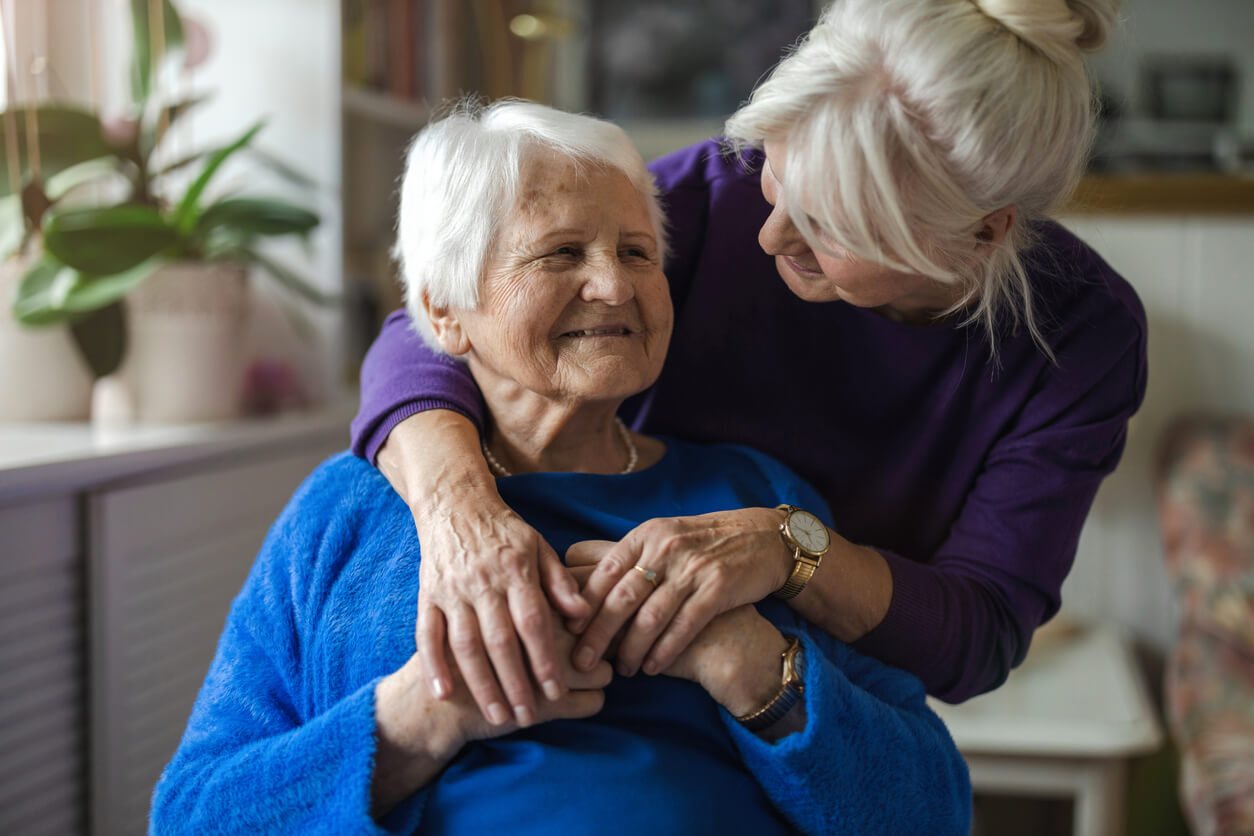
Combative behaviors in dementia create care scenarios that exceed typical caregiving demands in both intensity and danger. Understanding these realities helps families recognize when home care reaches unsustainable levels.
Morning Care Becomes a Battle
Basic activities of daily living—dressing, toileting, bathing, eating—transform into potential conflict situations. Patients resist assistance with personal care, interpreting help as assault due to cognitive impairment. They may strike out when caregivers approach during vulnerable moments like bathing or changing clothes. Morning medication administration frequently triggers accusations of poisoning, with patients knocking pills away or refusing to open their mouths.
Caregivers often spend hours attempting simple care tasks, using patient redirection and gentle persuasion only to face continued resistance or sudden aggressive outbursts. The physical demands intensify when patients possess sufficient strength to push, hit, or resist forcefully while caregivers lack training in safe physical management techniques.
Constant Vigilance Creates Exhaustion
Family caregivers of aggressive dementia patients maintain perpetual alertness, monitoring for subtle behavioral cues indicating building agitation. They learn to recognize warning signs—facial expressions, body language changes, increased pacing—that signal impending aggressive episodes. This hypervigilance extends through nights, with caregivers sleeping lightly and waking frequently to prevent wandering or respond to nighttime behavioral episodes.
The combination of physical caregiving demands, chronic sleep deprivation, and constant stress creates caregiver health consequences including hypertension, chronic pain conditions, depression, and anxiety disorders. Research demonstrates that caregivers of dementia patients with behavioral symptoms experience significantly worse health outcomes than caregivers of patients without aggressive behaviors.
Social Isolation Compounds Stress
Families gradually withdraw from social connections as combative behaviors make leaving the patient unsafe or impossible. Respite arrangements fail when substitute caregivers cannot manage aggressive episodes. Friends and extended family members often don’t understand the severity of behavioral challenges, offering unhelpful advice to “be more patient” or suggesting the caregiver exaggerates difficulties.
The primary caregiver becomes increasingly isolated, handling all care responsibilities alone while losing the social support networks essential for emotional resilience. Marriages strain under caregiving demands, sibling relationships fracture over disagreements about care approaches, and the caregiver’s own health deteriorates from neglect and chronic stress.
Understanding Why Combative Behaviors Develop
Aggressive behaviors in dementia stem from neurological disease processes rather than intentional hostility or personality defects. Understanding the patient’s experience provides crucial context for effective behavioral management.
Neurological Basis of Aggression
Dementia progressively damages brain regions controlling emotional regulation, impulse control, and the ability to interpret sensory information correctly. Patients lose capacity to process social situations appropriately, recognize familiar people and places, or communicate needs effectively through language.
When cognitive impairment prevents appropriate responses to confusion or discomfort, the brain defaults to primitive defensive reactions—fight or flight. What caregivers interpret as aggression often represents the patient’s attempt to defend against perceived threats their damaged brain creates. The person with dementia genuinely believes they face danger when a caregiver approaches to assist with bathing or when they’re asked to take unfamiliar pills.
According to research on aggression in dementia published in PMC, aggressive behaviors typically communicate unmet needs the patient cannot articulate verbally. Pain, hunger, constipation, urinary tract infections, overstimulation, fatigue, or fear manifest as combative responses when dementia destroys normal communication pathways. Understanding this neurological basis helps families recognize that combative behaviors represent disease symptoms requiring specialized management rather than deliberate hostility requiring punishment or restraint.
Common Behavioral Triggers
Environmental factors frequently precipitate aggressive episodes in dementia patients. Overstimulation from noise, visual clutter, or chaotic activity overwhelms compromised cognitive processing. Large, busy environments with multiple conversations, television background noise, and constant movement trigger defensive aggression in patients unable to filter sensory input appropriately.
Personal care tasks—bathing, dressing, toileting—create vulnerability that triggers defensive responses. Patients don’t understand why someone is removing their clothing or touching them intimately. Rushing through care tasks to manage busy schedules increases patient anxiety and resistance. Unfamiliar caregivers provoke heightened defensiveness compared to familiar faces appearing consistently.
Physical discomfort that patients cannot identify or communicate verbally manifests as agitation and aggression. Untreated pain, uncomfortable positioning, hunger, thirst, need to use the bathroom, or infections all trigger behavioral symptoms that escalate when caregivers cannot decode the underlying message.
When Home Care Becomes Unsafe: Recognizing Critical Warning Signs
Families often struggle to recognize when living with combative dementia at home crosses from difficult to genuinely unsafe. Understanding specific warning signs helps families make timely decisions about specialized residential care.
Physical Safety Risks Indicate Exceeding Capacity
When caregivers sustain injuries from aggressive behaviors—bruises, scratches, bite marks, sprains from falls during physical altercations—the care situation has exceeded safe home management. Even if caregivers minimize these injuries or attribute them to accidents rather than aggression, repeated physical harm signals dangerous care dynamics.
Patient strength relative to caregiver capability matters significantly. When patients retain enough physical strength to cause serious injury but lack cognitive capacity to control aggressive impulses, the safety risk escalates beyond what family caregiving can manage appropriately. Elderly spousal caregivers particularly face danger when physically frailer than their aggressive partners.
Caregiver Health Deterioration Signals Unsustainability
Stress-related health conditions in caregivers—hypertension, cardiac issues, chronic pain, depression, anxiety disorders—indicate care demands exceeding sustainable levels. Chronic sleep deprivation from nighttime behavioral management creates cognitive impairment in caregivers that compromises their ability to provide safe care and make sound decisions.
When caregivers neglect their own medical needs, skip doctor appointments, or stop taking prescribed medications due to caregiving demands, they risk serious health consequences. Family members observing the primary caregiver’s declining health often recognize unsustainability before the caregiver acknowledges it themselves.
Quality of Life Considerations for Patients
The patient’s own quality of life deserves equal consideration. When individuals with dementia experience perpetual agitation, when behavioral symptoms dominate their daily existence, or when home environments inadvertently worsen symptoms through unavoidable overstimulation, they deserve specialized settings designed to reduce their distress.
Patients living in constant confusion, fear, and defensive aggression experience poor quality of life regardless of family love and dedication. Appropriate facilities for combative dementia patients often dramatically reduce behavioral symptoms by eliminating environmental triggers and providing expert behavioral support impossible to replicate at home.
Understanding Care Options: Facilities for Combative Dementia Patients
When families begin researching facilities for combative dementia patients, they quickly discover that not all dementia care settings possess the expertise, staffing, or environment necessary for managing aggressive behaviors effectively. Understanding critical distinctions between care settings helps families identify appropriate options among the various facilities for combative dementia patients available in their region.
Large Institutional Settings and Their Limitations
Traditional nursing homes and large assisted living facilities, despite having memory care units, often struggle with aggressive dementia patients. High staff-to-resident ratios (1:10-15 residents per caregiver) prevent the individualized attention necessary for behavioral management. Caregivers managing numerous residents simultaneously cannot monitor subtle behavioral cues or intervene proactively before situations escalate.
The institutional environment itself often exacerbates behavioral symptoms. Long corridors, large communal areas, overhead announcements, and constant activity create sensory overload that triggers aggression in vulnerable patients. Standardized routines designed for large populations cannot be personalized to prevent individual behavioral triggers.
When aggressive episodes occur in these settings, limited staffing often necessitates chemical restraints through medication or physical restraints for safety. Many large facilities discharge aggressive patients when behaviors become too challenging to manage within their staffing and environmental constraints, forcing families into crisis placement situations.
Small-Scale Board and Care: A Different Model
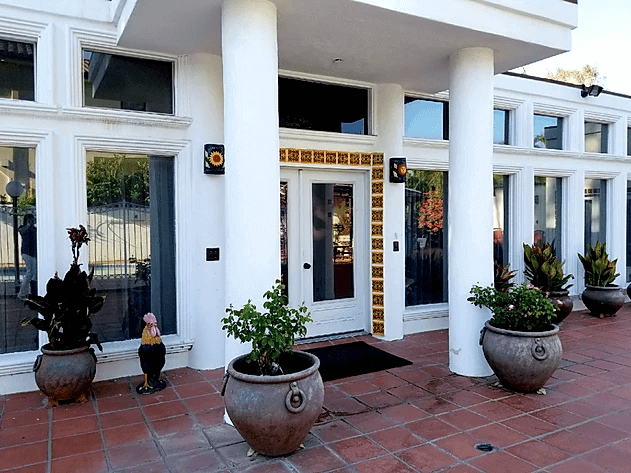
Board and care homes—residential care facilities licensed to serve six residents or fewer—offer fundamentally different environments specifically beneficial for aggressive dementia patients. The intimate scale creates homelike settings where residents live as a small household with consistent caregivers who develop deep familiarity with each individual.
Low staff-to-resident ratios (typically 1:3 or better) enable intensive individualized attention essential for behavioral management. Caregivers can monitor subtle cues, intervene proactively, and respond immediately when residents show early agitation signs. The small number of residents allows staff to truly know each person’s unique triggers, effective calming techniques, and communication patterns.
The residential environment provides natural advantages for dementia care. Quiet, predictable settings with minimal background noise and activity reduce sensory overload. Familiar, homelike surroundings with residential furnishings and normal household rhythms feel less threatening than institutional settings. Secured outdoor spaces allow safe movement and natural light exposure that benefit mood and circadian rhythm regulation.
Critically, specialized board and care facilities commit to managing behavioral challenges throughout disease progression rather than discharging difficult patients. This stability prevents the traumatic disruption of multiple moves during already difficult disease stages.
Why Small-Scale Board and Care Works for Combative Dementia
The effectiveness of board and care for aggressive dementia patients stems from specific structural and operational characteristics that directly address the root causes of combative behaviors.
Staff Ratios Enable Proactive Intervention
One caregiver managing three residents maximum rather than 10-15 creates entirely different care dynamics. Staff members can observe subtle behavioral warning signs and intervene before escalation occurs. They have time for the patient, gradual approaches necessary during care tasks—taking 20 minutes for medication administration rather than rushing through, allowing extended time for meals without pressure, and using gentle persuasion rather than forcing compliance.
This intensive ratio means someone always has capacity to respond when a resident shows early agitation—sitting with them, offering comfort items, redirecting to calming activities, or simply providing reassuring presence. The intervention happens within minutes rather than waiting until the situation escalates to crisis requiring emergency response.
Environmental Design Reduces Triggers
Small-scale residential settings inherently minimize the environmental factors that trigger aggression. Six residents create manageable noise levels rather than the chaos of dozens of people in communal spaces. Meals around a dining table with familiar faces feel normal rather than overwhelming. Living areas with residential furnishings and décor provide visual simplicity rather than institutional complexity.
The predictable daily rhythm of a small household—breakfast preparation sounds, normal household activities, consistent routines—creates familiarity that reduces confusion and defensive behaviors. Secured outdoor gardens provide safe access to nature, natural light, and physical activity without the overstimulation of larger facility outdoor areas shared by numerous residents.
Relationship Continuity Enables Understanding

The same caregivers working with residents daily develop nuanced understanding impossible with rotating staff. They learn that approaching from a specific side prevents startled defensive reactions, that certain music calms particular residents, that specific phrases or comfort items redirect agitation effectively. This accumulated knowledge allows increasingly sophisticated personalized care.
Residents benefit from seeing familiar faces consistently. Even when dementia prevents conscious recognition, the familiarity registers at neurological levels, reducing baseline anxiety. Consistent caregivers also track patterns—recognizing that afternoon agitation correlates with untreated pain, that behavioral changes signal potential urinary tract infections, or that specific environmental adjustments prevent evening escalations.
Research on small-scale homelike care environments demonstrates significant advantages in reducing behavioral symptoms and improving quality of life for dementia patients compared to traditional institutional settings. The combination of small scale, consistent caregivers, and residential atmosphere addresses fundamental environmental and relationship factors underlying many behavioral challenges.
Evaluating Facilities for Combative Dementia Patients: Essential Questions
Families touring potential facilities for combative dementia patients should ask specific questions revealing genuine behavioral expertise versus facilities simply accepting challenging patients without appropriate resources.
Staffing and Training Depth
“What is your exact staff-to-resident ratio during all shifts, including overnight?” Verify specific numbers rather than accepting vague “low ratio” claims. Ratios of 1:3 or better during waking hours indicate genuine capacity for behavioral management.
“What specific training do caregivers receive in managing aggressive behaviors?” Request detailed descriptions of de-escalation techniques, non-pharmacological interventions, and behavioral trigger identification. Quality facilities provide specific examples rather than generic statements about “specialized training.”
“How long have your current caregivers worked here?” High turnover prevents the relationship continuity essential for behavioral management. Average tenure of 2+ years indicates stable staffing.
Behavioral Management Philosophy
“Describe your approach when a resident becomes physically aggressive during care tasks.” Listen for patient de-escalation techniques, flexible timing allowing breaks when needed, and willingness to adapt care approaches based on individual responses rather than forcing compliance.
“What percentage of your residents require behavioral medications, and what is your philosophy on medication use?” Quality facilities emphasize non-pharmacological interventions first while acknowledging some patients benefit from appropriate medication. Be cautious of facilities relying heavily on chemical management or claiming no residents need any behavioral medications.
“Under what circumstances would you ask a family to remove a resident due to behavioral issues?” Understand discharge policies clearly. Specialized facilities should manage behavioral challenges throughout disease progression rather than discharging when care becomes difficult.
Environment and Daily Life
“Walk me through a typical day for a resident with combative tendencies.” Detailed descriptions reveal whether facilities understand individualized approaches versus standardized schedules applied to all residents regardless of behavioral needs.
“How do you personalize care routines for residents with specific triggers?” Request concrete examples of environmental modifications, timing adjustments, and approach variations for different residents.
“Can I speak with families whose loved ones had aggressive behaviors when they arrived?” Direct references provide the most accurate picture of how facilities actually manage behavioral challenges over time.
Dementia Care in Tarzana and San Fernando Valley Options
Families in the San Fernando Valley benefit from access to multiple specialized facilities for combative dementia patients throughout Tarzana, Valley Glen, Burbank, and Thousand Oaks. Understanding regional advantages helps families evaluate local options effectively.
Geographic Proximity Benefits
Choosing dementia care Tarzana or other nearby Valley communities enables frequent family visits without extensive travel burden. Regular presence allows families to monitor care quality firsthand, participate in care conferences, and maintain meaningful connection despite disease progression.
Proximity proves particularly valuable during medical emergencies or end-of-life care when families need immediate access. The ability to visit spontaneously rather than planning elaborate trips maintains natural connection and allows families to observe care during various times and situations.
Regional Care Quality
Southern California’s established senior care community includes numerous small-scale facilities with genuine behavioral expertise. The region’s mild climate provides year-round outdoor access benefiting dementia patients through natural light exposure, physical activity, and connection with nature.
Valley communities offer diverse options at various levels, allowing families to find facilities matching both care needs and circumstances. The concentration of specialized providers creates competitive pressure maintaining quality standards.
Making the Transition: Practical Steps Forward

When families recognize that living with combative dementia at home has reached unsustainable levels, understanding the practical placement process reduces stress during an already difficult decision.
Begin Research Before Crisis
Families benefit from exploring options and touring facilities before reaching emergency situations. Early research allows thoughtful evaluation and decision-making rather than rushed placements during hospitalizations or after serious safety incidents. Even if families hope to maintain home care longer, understanding available options provides peace of mind and preparation.
Tour Multiple Facilities
Visit at least 3-5 potential facilities, observing during different times of day. Watch staff interactions with current residents during meals, personal care times, and behavioral episodes if they occur during visits. Do staff members appear patient and respectful? Do residents seem calm and engaged? Does the environment feel homelike or institutional?
Trust both factual information gathered and instinctual responses. If a facility seems appropriate on paper but something feels wrong during visits, that intuition often reflects valid concerns about intangible quality factors.
Prepare for Transition
Once placement is confirmed, families can ease adjustment by personalizing the new space with familiar items—favorite chair, meaningful photographs, cherished objects providing continuity. Communicating detailed information about the patient’s triggers, preferences, and effective approaches helps staff provide appropriate care from day one.
Expect an adjustment period with temporary behavioral increase. Plan frequent initial visits providing familiar presence during the transition. Maintain open communication with staff about concerns while allowing reasonable time for everyone to adjust.
Moving Forward: Finding Appropriate Support
Recognizing when specialized facilities for combative dementia patients transition from optional to necessary represents strength and realistic assessment of care needs rather than failure or abandonment. Dementia creates care requirements that eventually exceed what even devoted families can safely provide at home.
Small-scale board and care environments represent the most effective facilities for combative dementia patients, offering expertise, environmental design, and staffing ratios addressing aggressive behaviors in ways family caregiving cannot replicate regardless of love and dedication. When researching facilities for combative dementia patients in the San Fernando Valley, families should prioritize small-scale board and care homes demonstrating genuine behavioral specialization through low staff ratios, consistent caregiving, and homelike environments.
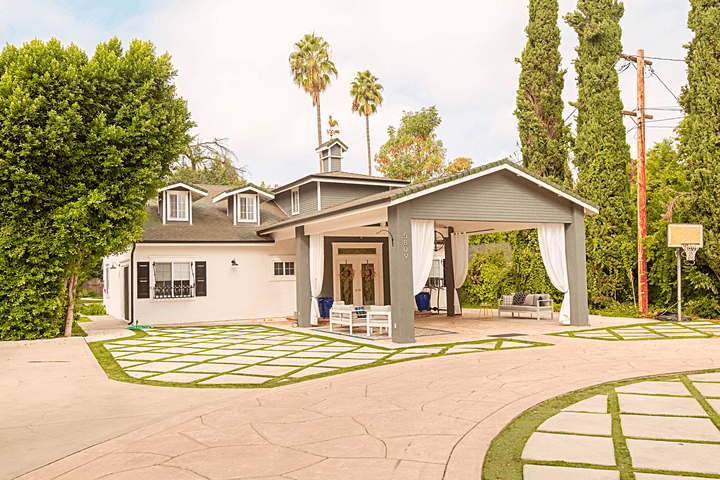
Royal Garden Board & Care specializes in memory care for residents with challenging behavioral symptoms throughout the San Fernando Valley. With facilities in Tarzana, Valley Glen, Burbank, and Thousand Oaks maintaining strict six-resident maximum capacity, Royal Garden provides the intensive individualized attention essential for managing combative dementia effectively. Our consistent caregiving staff, homelike environments, and commitment to managing behavioral challenges throughout disease progression create the specialized support families need when home care reaches unsustainable levels.
Visit our dementia care services page to learn about our approach to behavioral support in residential settings designed for safety, dignity, and improved quality of life. If your loved one’s combative behaviors have reached the point where home care feels dangerous or overwhelming, contact Royal Garden Board & Care at (818) 512-7650 to discuss specific needs and learn whether our specialized small-scale care might transform daily realities for your entire family.
Understanding living with combative dementia helps families recognize when professional support becomes medically appropriate rather than optional. The right facilities for combative dementia patients provide not abandonment but rather the specialized expertise allowing individuals with aggressive behaviors to experience better quality of life while families maintain meaningful connection unburdened by impossible caregiving demands.