
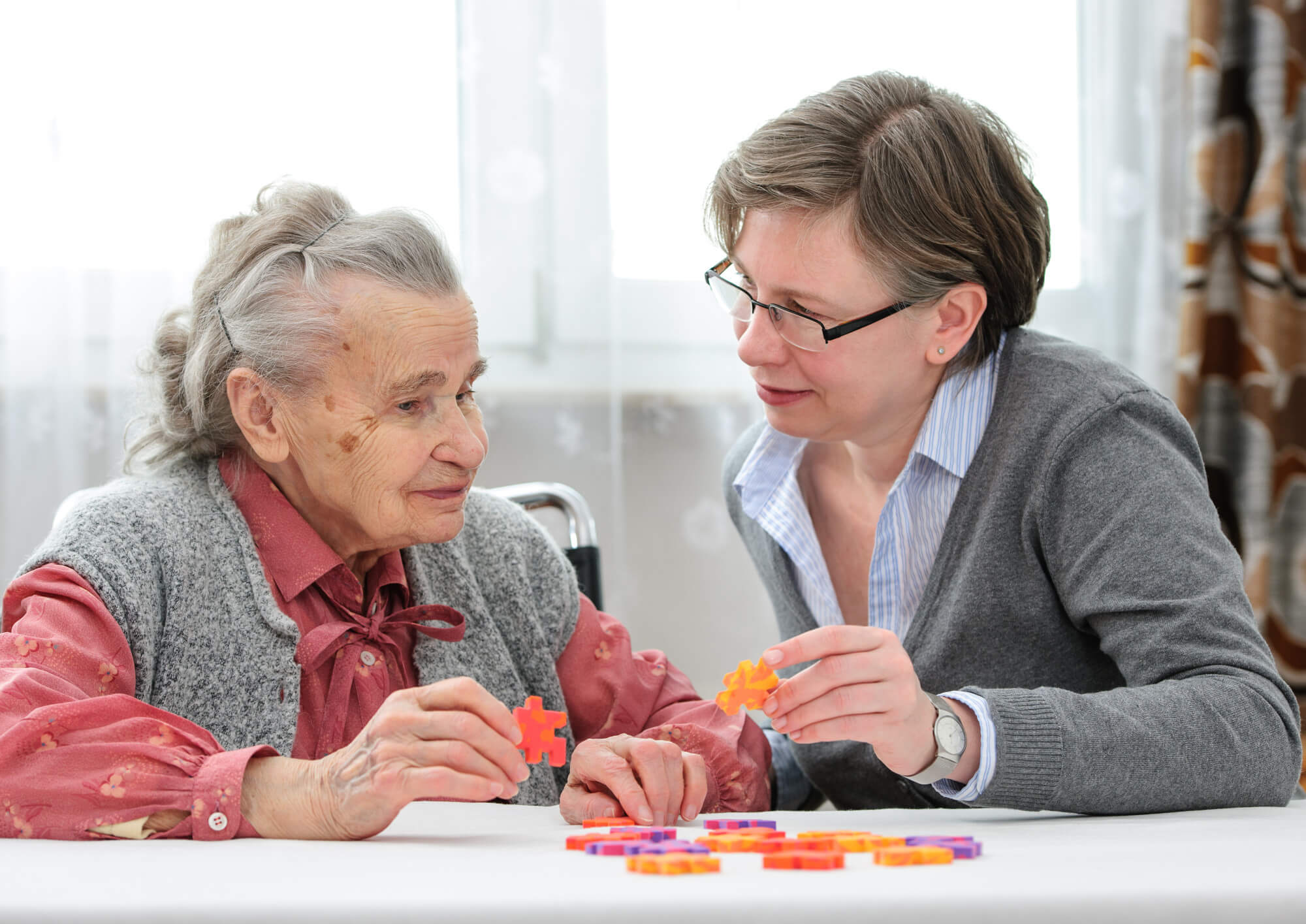
Caring for an aging parent, spouse, or other loved one is one of life’s most profound responsibilities. You’ve likely rearranged your schedule, sacrificed personal time, and dedicated yourself completely to ensuring your loved one’s safety and comfort. Whether you’re managing dementia care, recovering from a stroke, navigating Parkinson’s disease, or supporting someone with mobility challenges, the daily demands are immense. But somewhere along the way, you may have stopped noticing the toll this caregiving journey has taken on your own health and wellbeing.
Family caregivers provide extraordinary care, often managing complex medical needs, behavioral challenges, and round-the-clock supervision. Yet more than 60% of caregivers experience symptoms of burnout, according to research on caregiver stress. Understanding the warning signs of caregiver burnout isn’t just about protecting your health—it’s about recognizing when professional support could transform the situation for both you and your loved one.
What Is Caregiver Burnout?
Caregiver burnout represents a state of physical, emotional, and mental exhaustion caused by the prolonged stress of caregiving responsibilities. Unlike temporary stress that resolves with rest, burnout develops gradually as caregiving demands accumulate without adequate support or relief.
The Caregiver Action Network describes burnout as affecting caregivers emotionally, physically, financially, and socially. When you’re burned out, you feel like a candle that’s run out of wick—you no longer have what you need to continue providing light.
Burnout differs fundamentally from regular stress. While stress can feel overwhelming, burnout feels like chronic exhaustion where you progress from saying “I have too much on my plate” to “I can’t do this anymore.”
Who Is Most at Risk for Caregiver Burnout?
Certain situations increase vulnerability to burnout:
- Caring for someone with complex medical needs – Managing medications, medical equipment, and health appointments creates constant stress
- Solo caregivers without family support – Carrying the entire burden alone accelerates exhaustion
- Those providing 24/7 care without breaks – Lack of respite care prevents recovery
- Sandwich generation caregivers – Simultaneously caring for children and aging parents stretches resources thin
- Caregivers with their own health challenges – Managing personal health conditions while caregiving multiplies strain
- Those caring for loved ones with dementia or behavioral changes – The unpredictability and constant vigilance required creates exceptional stress
- Caregivers without training or skills – Feeling unprepared increases frustration and anxiety
Physical Warning Signs of Caregiver Burnout
Your body often signals burnout before your mind fully registers the problem. Pay attention to these physical symptoms:
Chronic Fatigue and Sleep Disturbances
Exhaustion that doesn’t improve with rest represents a hallmark burnout symptom. Mayo Clinic research shows caregivers frequently experience sleeping too much or not enough, creating a cycle where fatigue prevents adequate rest.
You might find yourself:
- Waking repeatedly during the night listening for your loved one
- Unable to fall back asleep after nighttime care duties
- Sleeping excessively yet still feeling exhausted
- Experiencing daytime fatigue that makes simple tasks overwhelming
Physical Health Deterioration
Caregiver stress manifests in tangible health problems:
- Frequent headaches or migraines – Tension and stress trigger recurring pain
- Muscle pain and tension – Particularly in neck, shoulders, and back from physical caregiving tasks
- Weakened immune system – Catching every cold or illness that comes around
- Digestive issues – Stomach problems, nausea, changes in appetite
- Unexplained weight changes – Significant weight gain or loss without intentional diet changes
- High blood pressure – Chronic stress elevates cardiovascular risks
Neglecting Personal Health Care
When you’re burned out, your own health appointments fall away:
- Missing your own doctor visits to attend to caregiving
- Skipping medications or forgetting to take them
- Ignoring symptoms that need medical attention
- Discontinuing exercise routines that once kept you healthy
Emotional and Psychological Signs of Burnout
Emotional exhaustion often emerges before physical symptoms become severe. These psychological warning signs deserve immediate attention:
Depression and Hopelessness
Persistent sadness that doesn’t lift signals more than temporary stress. You might experience:
- Feeling trapped in your caregiving role with no way out
- Crying frequently or feeling emotionally numb
- Loss of interest in activities you previously enjoyed
- Difficulty finding joy even in positive moments
- Thoughts that the situation will never improve
Anxiety and Constant Worry
Caregiving creates legitimate concerns, but burnout intensifies anxiety to debilitating levels:
- Fear that something terrible will happen if you look away for a moment
- Racing thoughts about worst-case scenarios
- Panic attacks or overwhelming feelings of dread
- Difficulty concentrating on anything beyond caregiving worries
- Physical anxiety symptoms like rapid heartbeat or shortness of breath
Irritability and Anger
Patience wears thin when you’re burned out. Warning signs include:
- Becoming easily annoyed with the person you’re caring for
- Snapping at family members who offer well-meaning advice
- Anger toward the situation or resentment about your caregiving responsibilities
- Explosive reactions to minor inconveniences
- Frustration that feels disproportionate to triggering events
Emotional Detachment
Sometimes burnout manifests as withdrawal rather than anger. You might notice:
- Feeling emotionally disconnected from the person you’re caring for
- Going through caregiving motions without genuine engagement
- Inability to feel empathy for your loved one’s suffering
- Sense of numbness where nothing seems to matter
These symptoms overlap with compassion fatigue, which caregivers often experience alongside burnout.
Behavioral Changes That Signal Burnout
How you act and interact with others reveals burnout’s impact:
Social Isolation and Withdrawal
Burned-out caregivers progressively isolate themselves:
- Declining invitations from friends because you “can’t leave”
- Avoiding family gatherings or social events
- Neglecting relationships that once provided support
- Feeling too exhausted to maintain connections
- Believing nobody understands what you’re experiencing
Changes in Daily Routines
Watch for disruptions in how you manage life:
- Letting household tasks pile up because you lack energy
- Poor personal hygiene as self-care falls away
- Meal planning breakdown, resulting in unhealthy eating patterns
- Disorganization where you once maintained structure
- Forgetting important appointments or commitments
Substance Use as Coping Mechanism
Some caregivers turn to harmful coping strategies:
- Increased alcohol consumption to “take the edge off”
- Misusing prescription medications like sleep aids or pain relievers
- Using stimulants to maintain energy for caregiving duties
- Recognizing dependency but feeling unable to stop
If substance use has become your primary coping mechanism, professional intervention is urgently needed.
When Caregiver Burnout Becomes Dangerous
Certain situations indicate burnout has progressed to a critical point where immediate action is necessary:
Thoughts of Harming Yourself or Your Loved One
If you experience thoughts of:
- Ending your life to escape the situation
- Harming the person you’re caring for out of frustration
- Wishing your loved one would die so the burden would end
These thoughts require immediate professional help. Contact a mental health crisis line, your doctor, or call 988 (Suicide & Crisis Lifeline) immediately.
Inability to Provide Safe Care
Safety becomes compromised when:
- You’re so exhausted you fall asleep during critical supervision
- You forget to give essential medications or medical care
- You lack the physical strength to safely transfer or assist your loved one
- Your emotional state prevents you from responding appropriately to emergencies
Complete Emotional Breakdown
When you reach a point where:
- You cannot stop crying or feel constant overwhelming despair
- You experience panic attacks that prevent functioning
- You feel completely unable to continue even one more day
- Physical symptoms become so severe they prevent caregiving
At this crisis level, both you and your loved one need immediate support, whether through emergency respite care, hospitalization, or placement in professional care.
How Caregiver Burnout Affects the Person Receiving Care
Your wellbeing directly impacts the quality of care you provide. When caregivers burn out, care recipients experience:
Decreased Quality of Care
Exhausted caregivers struggle to:
- Maintain patience during challenging behaviors
- Provide engaging activities or social stimulation
- Notice subtle changes in health status
- Follow complex medication or treatment protocols accurately
Emotional Impact on Your Loved One
The person you’re caring for senses your distress, which may cause them to:
- Feel guilty about being a burden
- Experience increased anxiety or agitation
- Withdraw emotionally to avoid “making things worse”
- Become more demanding in an attempt to get attention
Research shows that caregiver stress directly correlates with the wellbeing and behavioral patterns of those receiving care, creating a cycle that affects everyone involved.
Increased Risk of Neglect or Abuse
While most caregivers would never intentionally harm their loved ones, severe burnout can lead to:
- Unintentional neglect when caregivers are too exhausted to meet all needs
- Short tempers resulting in verbal outbursts
- Physical accidents during care tasks when patience runs thin
- Emotional withdrawal that leaves the care recipient isolated
Recognizing these risks doesn’t make you a bad caregiver—it makes you human. It also makes seeking help essential.
The Stages of Caregiver Burnout
Understanding burnout as a progressive condition helps you intervene early:
Stage 1: Early Warning Signs (High Stress)
At this stage, you’re managing but feeling stretched:
- Frequent fatigue and occasional sleep disruption
- Minor irritability or mood changes
- Beginning to miss personal appointments occasionally
- Still able to find moments of joy and maintain some social connections
Intervention: Implement respite care immediately, even just a few hours weekly. Join a caregiver support group.
Stage 2: Moderate Burnout (Consistent Strain)
Stress becomes your constant companion:
- Chronic exhaustion regardless of sleep
- Regular physical symptoms like headaches or digestive issues
- Noticeable irritability and emotional volatility
- Social isolation increasing
- Difficulty concentrating or making decisions
Intervention: Arrange regular respite care. Consider professional counseling. Explore expanded support services.
Stage 3: Severe Burnout (Chronic Exhaustion)
You’re running on empty:
- Overwhelming exhaustion that never lifts
- Significant physical health deterioration
- Depression or severe anxiety
- Complete loss of interest in former pleasures
- Feeling emotionally disconnected from your loved one
Intervention: Immediate professional mental health support needed. Serious consideration of transitioning to professional care settings like board and care facility or specialized care environments.
Stage 4: Crisis (Complete Breakdown)
You’ve reached a breaking point:
- Unable to function in caregiving role
- Serious health consequences for you
- Dangerous situation for care recipient
- Thoughts of self-harm or harm to others
- Complete emotional, physical, and mental collapse
Intervention: Emergency respite or immediate placement in professional care required. Medical and mental health crisis intervention essential.
Why Caregivers Don’t Seek Help Sooner
Despite clear warning signs, many caregivers delay getting support due to:
Guilt and Perceived Obligation
“I made a promise to never put them in a home” represents one of the most powerful barriers. You may feel:
- Guilt about “abandoning” your loved one
- Belief that only you can provide adequate care
- Shame about needing help
- Fear of what others will think
Financial Concerns
The cost of professional care can seem prohibitive. Caregivers worry about:
- Affording assisted living in Thousand Oaks or other specialized services
- Depleting life savings or inheritance
- Whether insurance or programs will help with costs
While financial planning requires careful consideration, burnout also carries significant costs—to your health, career, and family relationships.
Lack of Awareness
Many caregivers simply don’t recognize burnout symptoms in themselves. You’re so focused on your loved one that you fail to notice:
- How much weight you’ve lost or gained
- That you haven’t seen friends in months
- Your health has deteriorated significantly
- You’re no longer the person you used to be
Fear of What Placement Means
Considering professional care triggers fears about:
- Your loved one feeling abandoned or betrayed
- Quality of care in facilities
- Whether they’ll adjust to a new environment
- Losing your role and identity as primary caregiver
Understanding these barriers helps you recognize when they’re preventing you from making healthy decisions.
When to Consider Professional Care Options

Recognizing these situations indicates professional care may benefit everyone:
Safety Concerns Make Home Care Untenable
If your loved one:
- Requires constant monitoring that you cannot safely provide
- Displays behaviors that put you or others at risk
- Needs physical assistance beyond your capabilities (lifting, transferring)
- Requires medical monitoring or skilled nursing care you cannot safely provide
- Has mobility challenges creating fall risks you can’t manage
Your Health Is Seriously Compromised
When caregiving has resulted in:
- New diagnosed health conditions caused by stress
- Serious deterioration of existing conditions
- Mental health crisis requiring treatment
- Physical injuries from caregiving tasks
Family Relationships Are Suffering
If caregiving has caused:
- Marriage or partnership strain threatening the relationship
- Inability to properly parent your children
- Conflict with siblings or other family members
- Complete social isolation from everyone who matters
The Care Requirements Exceed Your Resources
When your loved one needs:
- 24/7 awake supervision you cannot maintain
- Specialized care training you don’t have
- Complex medical procedures beyond layperson capability
- Behavioral management or specialized expertise you lack
- Multiple caregivers to safely provide assistance
Professional Care Options When You’re Burned Out
Understanding available options helps you make informed decisions:
Respite Care Services
Respite provides temporary relief while keeping your loved one in familiar surroundings:
In-Home Respite
- Professional caregivers come to your home for set hours
- Allows you to run errands, attend appointments, or simply rest
- Ranges from a few hours weekly to overnight stays
Day Programs
- Adult day care centers provide structured activities and meals
- Your loved one socializes while you get daytime breaks
- Particularly helpful for those still relatively mobile and social
Short-Term Residential Respite
- Small board and care homes or memory care communities accept temporary stays
- Your loved one receives professional care for several days to weeks
- Gives you extended time to recover, travel, or manage personal emergencies
Royal Garden Board & Care specializes in respite care in home-like settings throughout the San Fernando Valley, providing families with trusted short-term relief.
Assisted Living and Board and Care Homes
For ongoing needs, residential options offer different advantages:
Board and Care Facilities

- Small residential homes typically serving 6 or fewer residents
- Higher staff-to-resident ratios mean personalized attention
- Home-like atmosphere less overwhelming than large institutions
- Often can accommodate various needs including dementia, post-stroke recovery, and mobility assistance
Royal Garden operates board and care homes in Tarzana, Valley Glen, Burbank, and Thousand Oaks with maximum 6-resident occupancy, ensuring intimate, personalized care for seniors with diverse needs.
Assisted Living Communities
- Larger facilities with apartment-style living
- Structured activities and socialization opportunities
- Various levels of care available
- May have memory care wings for specialized dementia support
Specialized Memory Care
For loved ones with Alzheimer’s, dementia, or significant cognitive changes requiring expert support:
- Dedicated memory care units with trained staff understanding disease progression
- Secure environments preventing wandering while maintaining dignity
- Specialized programming addressing cognitive and behavioral needs
- Higher staff ratios providing intensive supervision
Memory care for aggressive patients becomes particularly essential when managing challenging behaviors at home becomes unsafe.
Nursing Homes and Skilled Nursing
For complex medical needs:
- 24/7 nursing care with RNs on staff
- Ability to manage feeding tubes, wound care, and complex medications
- Rehabilitation services like physical and occupational therapy
- Appropriate for end-stage dementia or significant medical conditions
How to Choose the Right Care Option
Making this decision requires evaluating multiple factors:
Assessing Current and Future Needs
Consider:
- Current care requirements – What does your loved one need today?
- Disease progression – How might needs change in coming months?
- Behavioral challenges – Do certain behaviors require specialized expertise?
- Medical complexity – Are skilled nursing interventions necessary?
- Mobility and independence – What level of assistance is required?
- Cognitive status – Does memory loss or confusion create safety concerns?
Evaluating Facilities Thoroughly
When touring potential care settings:
Essential Questions to Ask:
- What is your staff-to-resident ratio, particularly at night?
- How do you handle behavioral challenges or medical emergencies?
- What specific training do staff have in caring for conditions like Parkinson’s, stroke recovery, or cognitive decline?
- Can you accommodate evolving needs without forcing relocation?
- How do you communicate with families about daily care and incidents?
- What activities and engagement do you provide?
Red Flags to Watch For:
- Staff seeming overwhelmed, stressed, or unprepared
- Residents appearing over-medicated or disengaged
- Facility smelling of urine or appearing unsanitary
- Defensive or evasive responses to questions
- High staff turnover creating instability
Positive Indicators:
- Residents appear content, engaged, and well-groomed
- Staff interacting warmly and respectfully with residents
- Clean, homelike environment with personal touches
- Clear communication protocols and family involvement welcomed
- Consistent caregiving staff who know residents personally
Financial Planning and Resources
Explore all available funding sources:
Medicare
- Covers skilled nursing care for limited time following hospitalization
- Does not cover long-term custodial care or assisted living
Medicaid
- Covers nursing home care for those who qualify financially
- Some states have waiver programs covering home and community-based services
- Board and care homes may accept Medicaid in some states
Veterans Benefits
- Aid and Attendance benefit can help pay for assisted living or home care
- Veterans or surviving spouses may qualify
Long-Term Care Insurance
- Review policies carefully for coverage details
- Assisted living, memory care, and nursing homes often covered
Private Pay Options
- Family resources and savings
- Selling your loved one’s home to fund care
- Life insurance policy conversions
- Reverse mortgages for homeowners
Self-Care Strategies for Caregivers
While transitioning to professional care is sometimes necessary, these strategies can help if you’re not at crisis stage:
Accepting Help When Offered
When people say “Let me know if I can help,” give them specific tasks:
- “Could you stay with Mom next Tuesday from 2-5 PM so I can go to my doctor?”
- “Would you be willing to bring dinner every other Wednesday?”
- “Can you help research adult day programs in our area?”
Specific requests make it easier for people to genuinely help.
Setting Realistic Boundaries
You cannot do everything. Give yourself permission to:
- Say no to additional obligations
- Set visiting hours that work for your schedule
- Limit how much you share with family members who criticize
- Protect time for self-care without guilt
Finding Support
Caregiver Support Groups Connect with others who understand:
- Local in-person groups through Caregiver Action Network
- Online communities for geographic flexibility
- Condition-specific groups addressing unique challenges (stroke, Parkinson’s, cancer, Alzheimer’s, etc.)
Professional Counseling Individual therapy provides:
- Safe space to process difficult emotions
- Strategies for managing stress and preventing burnout
- Help working through guilt about considering placement
Resource Coordination Social workers and geriatric care managers can:
- Assess your situation and recommend appropriate services
- Navigate insurance and financial assistance programs
- Coordinate care across multiple providers
- Provide objective perspective on when professional care becomes necessary
Prioritizing Your Health
Your wellbeing enables caregiving:
- Schedule and attend your own medical appointments
- Maintain prescribed medications and treatments
- Find time for minimal physical activity, even brief walks
- Choose nutritious foods even when preparing meals feels overwhelming
- Practice sleep hygiene to maximize rest quality
Taking the Next Step: Moving Forward Without Guilt
Recognizing caregiver burnout and seeking help is not giving up—it’s making a responsible decision that protects both you and your loved one. Professional care often provides:
- Better quality of life for your loved one through specialized expertise
- Safety and security that home environments cannot always provide
- Social engagement and activities tailored to cognitive abilities
- Freedom from constant worry allowing you to be a family member again rather than sole caregiver
When you’re no longer exhausted and burned out, you can visit as a loving daughter, son, or spouse and actually enjoy time together rather than merely surviving another day.
The transition to professional care doesn’t mean you’re abandoning your loved one—it means you’re ensuring they receive excellent care while preserving your ability to remain a loving, supportive presence in their life.
Frequently Asked Questions
What are the 5 main signs of caregiver burnout?
The five primary warning signs include: 1) Chronic exhaustion that doesn’t improve with rest, 2) Persistent physical symptoms like headaches or digestive problems, 3) Emotional changes including depression, irritability, or anxiety, 4) Social withdrawal and isolation from friends and family, and 5) Neglecting your own health care and wellbeing. Experiencing multiple symptoms simultaneously indicates serious burnout requiring immediate intervention.
How do I know if I need respite care?
You need respite care if you’re experiencing persistent fatigue, feel constantly overwhelmed, notice your patience wearing thin, have no time for personal appointments or self-care, or if family members express concern about your wellbeing. Even caregivers who aren’t severely burned out benefit from regular respite to prevent deterioration. Think of respite care as preventive maintenance rather than crisis intervention.
What is the difference between caregiver stress and caregiver burnout?
Caregiver stress represents temporary or situational feelings of being overwhelmed that can resolve with rest and support. Burnout is chronic emotional, physical, and mental exhaustion that doesn’t improve even after breaks. Stress says “I have too much to do,” while burnout says “I cannot continue doing this.” Burnout requires more intensive intervention than stress management alone.
Can caregiver burnout be reversed?
Yes, with appropriate interventions, caregiver burnout can improve. Recovery requires implementing regular respite care, possibly transitioning your loved one to professional care, seeking mental health support through counseling, rebuilding your support network, and prioritizing your own health. Complete recovery takes time—often months—which is why early intervention is so important.
What happens if I can no longer care for my loved one at home?
If home care becomes unsafe or impossible, several professional options exist including respite care for temporary relief, board and care homes for residential care in small, homelike settings, assisted living communities for apartment-style living with support services, specialized memory care for dementia, and skilled nursing facilities for complex medical needs. Financial assistance programs may help cover costs. The key is researching options before reaching crisis stage.
How do I stop feeling guilty about considering placement?
Guilt is normal but often undeserved. Remember that professional care environments often provide better quality of life through specialized expertise, social engagement, and 24/7 trained supervision. You’re not abandoning your loved one—you’re ensuring they receive excellent care while preserving your relationship and health. Counseling can help process complex emotions. Talk with others who’ve made similar decisions to gain perspective.
Finding Help and Resources
If you’re experiencing caregiver burnout, help is available:
Immediate Support:
- National Suicide Prevention Lifeline: 988 (for crisis situations)
- Caregiver Action Network: Resources and support for family caregivers nationwide
- Mayo Clinic Caregiver Resources: Evidence-based information on managing caregiver stress
Local San Fernando Valley Resources: Royal Garden Board & Care provides compassionate residential care in intimate, home-like settings throughout Tarzana, Valley Glen, Burbank, and Thousand Oaks. Our specialized staff understands the challenges families face when managing complex care needs at home becomes overwhelming—whether you’re caring for someone with Alzheimer’s, recovering from a stroke, managing Parkinson’s disease, or navigating mobility challenges.
Contact Royal Garden Board & Care at (818) 512-7650 to discuss respite care options or schedule a tour of our facilities. Whether you need temporary relief or are considering residential placement, our team can help you explore solutions that support both your loved one’s needs and your wellbeing.
Disclaimer: This article provides educational information about caregiver burnout and is not a substitute for professional medical or mental health advice. If you’re experiencing thoughts of self-harm or harming others, seek immediate professional help or call 988. Consult with healthcare providers, geriatric care managers, or elder law attorneys for guidance specific to your situation.