

Choosing the right residential care setting for a loved one ranks among the most consequential decisions families make. Unlike researching options online or reading brochures, an in-person tour provides irreplaceable insight into how a facility actually operates. The tour reveals whether a board and care facility delivers on its promises—or simply markets well.
Most families tour multiple facilities before deciding, yet many leave these visits without asking the critical questions that distinguish exceptional care from mediocre service. This guide walks you through what to observe, which questions matter most, and the red flags that should send you elsewhere.
Understanding What Is a Board and Care Facility Before Your Tour
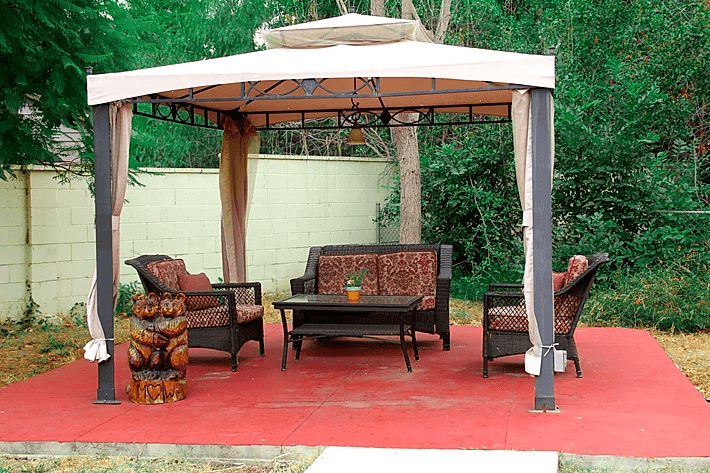
Before scheduling visits, families benefit from understanding what differentiates board and care facilities from other senior living options. Board and care homes—also called residential care facilities for the elderly (RCFEs) in California—typically house six residents maximum in a residential setting. This small-scale model emphasizes personalized attention, home-cooked meals, and familiar caregiver relationships rather than the institutional structure of large assisted living communities.
Board and care facility requirements vary by state but generally mandate licensing, staff training certifications, background checks, and regular inspections. California’s Community Care Licensing Division oversees RCFEs, requiring operators to meet specific staffing ratios, safety standards, and care protocols. Understanding these baseline requirements helps families evaluate whether a facility meets minimum standards—the foundation for asking more discerning questions during tours.
Schedule Tours Strategically
Most facilities offer tours by appointment, but visiting during peak activity hours—typically mid-morning or early afternoon—provides the most accurate picture of daily operations. Observe mealtimes, activity periods, and medication administration rather than the quiet periods when residents nap and staff complete paperwork.
Request to visit unannounced for a second tour if possible. Facilities confident in their operations welcome drop-in visits. Those that restrict tours to scheduled appointments only may be staging presentations rather than showing authentic daily life.
What to Observe Before You Even Enter
Your evaluation begins in the parking lot. Notice the building’s exterior condition, landscaping maintenance, and whether outdoor spaces appear accessible and actually used. Overgrown gardens or unused patios suggest limited outdoor engagement for residents—a quality-of-life concern for seniors who benefit from fresh air and natural light.
Check whether the entrance is secure yet welcoming. Board and care facilities should balance safety (preventing wandering for residents with dementia) with creating a homelike rather than institutional atmosphere.
First Impressions: The Sensory Test
The moment you enter, your senses provide valuable data. Notice smells—a properly managed facility smells neutral or pleasant, never of urine or feces. Persistent odors indicate inadequate incontinence care or cleaning protocols.
Listen to the ambient sound. Excessive noise, blaring televisions, or crying residents without staff intervention signal understaffing or inattentive care. Conversely, complete silence in a facility housing six residents may indicate overmedication or lack of meaningful engagement.
Observe cleanliness throughout common areas, bathrooms, and residents’ rooms. Research shows that the quality of the living environment, particularly cleanliness, represents one of the prime components of residents’ concepts of quality care, directly impacting both dignity and health outcomes through infection risk reduction.
Critical Questions About Staffing and Training
Staffing determines care quality more than any other factor. During your tour, ask these specific questions:
What is your staff-to-resident ratio during different shifts? In a six-resident board and care facility, expect at least one caregiver on duty 24/7, with two staff members during peak hours. Facilities that hedge on specific numbers or say “it depends” likely run understaffed.
What training do your caregivers receive beyond basic certification? Minimum requirements include CPR, first aid, and medication administration training. Exceptional facilities provide ongoing education in dementia care, behavioral management techniques, fall prevention, and person-centered care approaches.
How long has your current staff been working here? High turnover disrupts the continuity of care that makes small-scale facilities valuable. Staff who have worked at the facility for years know residents’ histories, preferences, and care needs intimately. Constant staff changes force residents to repeatedly adjust to new caregivers.
Who is on-site overnight? Some facilities rely on awake overnight staff, while others use monitoring systems with sleeping staff. For residents with dementia or nighttime care needs, awake staffing provides essential safety.
Don’t just accept verbal answers—observe staff interactions with residents. Do caregivers make eye contact, speak respectfully, and respond promptly to requests? Or do they talk over residents, ignore call buttons, or rush through tasks?
Questions About Resident Care and Daily Life

How do you handle behavioral symptoms of dementia? Facilities specializing in memory care should articulate specific de-escalation techniques, environmental modifications, and individualized approaches rather than defaulting to medication. Ask about their philosophy on psychotropic drug use and whether they employ non-pharmacological interventions first.
What happens when a resident’s care needs increase? This question reveals whether the facility provides continuum care or forces disruptive relocations. Quality board and care homes accommodate residents through progression from mild to advanced dementia rather than transferring them elsewhere—maintaining the familiar environment and caregiver relationships critical to quality of life.
Walk me through a typical day. Listen for structured routines that include activities beyond meals and personal care. Residents should have opportunities for social interaction, physical activity, and meaningful engagement rather than spending hours watching television.
How do you accommodate individual preferences? Ask for specific examples: Can residents choose when to wake up? Select meal options? Maintain personal routines? Facilities that genuinely practice person-centered care can describe how they honor individual preferences within the household structure.
Medical Care and Coordination
How do you coordinate with residents’ physicians? Clarify whether the facility has a medical director or works with residents’ existing doctors. Understand the protocol for medical emergencies, routine appointments, and medication changes.
What is your medication management system? Tour the medication storage area and ask about administration procedures, documentation, and error prevention. Licensed staff should handle all medications with clear protocols for tracking and documentation.
How do you monitor residents’ health status? Ask about daily health checks, weight monitoring, fall risk assessments, and communication with families when health changes occur.
Safety and Emergency Procedures
What are your emergency protocols? Facilities should have documented procedures for fires, medical emergencies, natural disasters, and resident elopement. Ask to see emergency supplies and review evacuation plans.
How do you prevent falls? Falls represent a leading cause of injury in senior care. Tour bathrooms to check for grab bars, non-slip surfaces, and adequate lighting. Ask about nighttime monitoring, mobility assistance, and environmental modifications.
What security measures prevent wandering? For memory care residents, facilities need secured exits with alarm systems or code-locked doors—implemented discreetly to avoid creating an institutional feel.
Nutrition and Meals
Request to see a week’s worth of menus. Meals should offer variety, accommodate dietary restrictions and preferences, and reflect home-style cooking rather than institutional food service. Ask whether residents can eat when hungry rather than strictly at scheduled meal times.
If possible, schedule your tour during a meal. Observe how staff assist residents who need help eating. Do they sit with residents and make mealtime social? Or do they rush through feeding to complete tasks?
Ask about snack availability between meals, hydration protocols, and how the facility handles residents with eating challenges or swallowing difficulties.
Family Involvement and Communication
How do you keep families informed? Clarify communication frequency, methods (phone, email, portal), and what triggers immediate family notification. Families should receive regular updates about their loved one’s well-being, not just crisis calls.
What is your visiting policy? While facilities have structured visiting hours for practical reasons, overly restrictive policies or resistance to family presence raises concerns. Quality facilities welcome family involvement as partners in care.
How do you handle family concerns or complaints? Listen for a defined grievance process and examples of how the facility addressed past concerns. Defensive responses or inability to provide examples suggest poor conflict resolution.
Financial Transparency
What is included in your base rate? Itemize exactly what the monthly cost covers and what generates additional charges. Common additions include medication administration, higher-level care, transportation, or incontinence supplies.
What is your rate increase history? Understanding how costs have changed helps families plan financially. Ask about advance notice for rate increases.
What is your refund policy if we need to move? Clarify notice requirements and whether unused portions of prepaid fees are refundable.
Red Flags That Should End Your Tour
Certain observations should immediately disqualify a facility:
- Residents appearing sedated, neglected, or in distress without staff response
- Staff speaking disrespectfully to or about residents
- Visible safety hazards (broken equipment, blocked exits, unsecured medications)
- Reluctance to answer questions or show certain areas
- Residents in soiled clothing or showing signs of inadequate personal hygiene
- Strong focus on marketing language without substantive answers about care practices
The Second Visit: Going Deeper
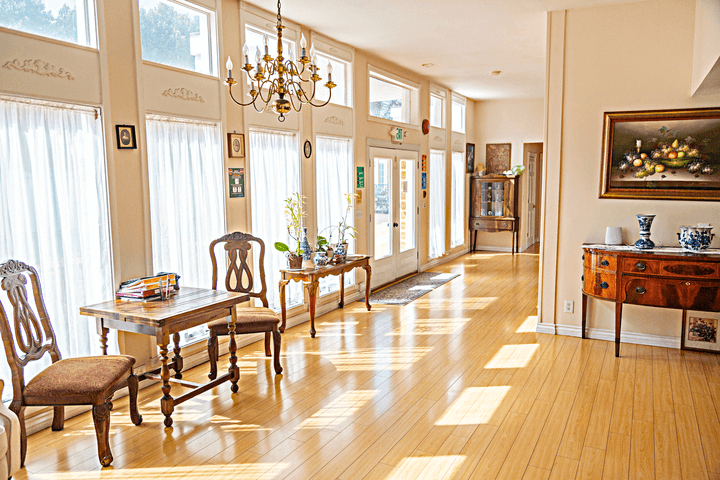
After initial tours, narrow your list to 2-3 finalists and schedule second visits. Ask to speak with current residents’ family members if possible. Request reference contacts willing to discuss their experiences.
During second visits, ask the tougher questions:
- Have you ever had licensing violations? What were they and how were they resolved?
- What is your staff turnover rate?
- Can you provide references from families whose loved ones have similar needs?
- May I see the most recent inspection report?
Reviewing Licensing and Inspection Records
Before finalizing your decision, review the facility’s licensing record with your state regulatory agency. California residents can search Community Care Licensing reports online to see inspection results, complaints, and violations. These public records reveal issues that tours may not uncover.
Don’t automatically eliminate facilities with past violations—understand what happened and how they addressed problems. A single minor violation corrected promptly differs significantly from patterns of serious infractions.
Making Your Final Decision
After touring multiple facilities, families often feel overwhelmed comparing options. Return to fundamental questions:
- Did residents appear content and engaged?
- Were staff interactions warm and respectful?
- Did the environment feel homelike rather than institutional?
- Were your questions answered thoroughly and honestly?
- Could you envision your loved one thriving there?
Trust your instincts alongside factual assessment. The facility that looks perfect on paper but feels wrong during the tour probably isn’t the right fit.
Taking the Next Steps
Once you’ve identified the right board and care facility, the transition process begins. Most facilities offer trial stays to ensure compatibility before long-term commitment. Use this period to monitor how your loved one adjusts and whether the facility delivers on promises made during tours.
Royal Garden Board & Care has welcomed families throughout the San Fernando Valley for over two decades, providing specialized dementia and behavioral care in our small-scale, homelike facilities. Our six-resident maximum homes in Tarzana, Valley Glen, Burbank, and Thousand Oaks maintain the staff continuity and personalized attention that tours reveal but marketing cannot fabricate. We encourage families to visit unannounced, speak with current residents’ families, and ask the difficult questions that matter most.
Explore our comprehensive care services to understand how our board and care model supports residents through all stages of dementia. Contact us to schedule a tour and experience firsthand the difference that small-scale, specialized care makes in your loved one’s daily life.