

When families begin searching for senior care options, the terminology can feel overwhelming. Assisted living, nursing homes, memory care facilities, and board and care homes all promise quality care, but understanding the differences is crucial to making the right choice for your loved one. If you’re exploring board and care homes for seniors, this guide will explain everything you need to know about this intimate, residential care model.
What Are Board and Care Homes for Seniors?

Board and care homes for seniors—also called residential care homes or adult family homes—are small-scale facilities that provide 24-hour supervision, meals, and assistance with daily activities in a homelike environment. Unlike large institutional facilities that may house 50 to 100+ residents, board and care homes typically serve six or fewer seniors in a private residence.
This residential care model focuses on creating a family atmosphere where staff can provide highly individualized attention to each resident. The smaller setting allows caregivers to learn each senior’s preferences, routines, and personality, resulting in more responsive and personalized care.
Board and care homes are licensed by state regulatory agencies and must meet specific health, safety, and staffing requirements. However, the intimate scale distinguishes them from larger facilities in meaningful ways that directly impact quality of life and care outcomes.
What Services Do Board and Care Homes Provide?
Board and care homes for seniors offer comprehensive support designed to help residents maintain dignity and independence while receiving necessary assistance. Standard services typically include:
- 24-hour supervision and assistance with activities of daily living such as bathing, dressing, grooming, and mobility
- Medication management to ensure seniors take prescriptions correctly and on schedule
- Three nutritious meals daily plus snacks, often accommodating dietary restrictions and preferences
- Housekeeping and laundry services to maintain a clean, comfortable living environment
- Scheduled activities and socialization appropriate to residents’ abilities and interests
- Coordination with healthcare providers for medical appointments and ongoing health management
Many board and care homes also offer specialized care for specific needs, including memory care for cognitive impairment, support for seniors with challenging behaviors, post-hospital recovery assistance, and end-of-life comfort care. The small-scale environment allows facilities to adapt their approach to each resident’s unique circumstances, whether that involves managing chronic health conditions, providing emotional support during difficult transitions, or creating routines that help seniors feel secure and comfortable.
At Royal Garden BC, our board and care facilities serve seniors with varying needs, with particular expertise in supporting residents who require specialized behavioral care or memory support. Our staff training emphasizes person-centered approaches, de-escalation techniques, and creating environments where every resident can thrive regardless of their specific challenges.
The Advantages of Small-Scale Board and Care Settings
Research consistently demonstrates that smaller residential care environments offer significant benefits for seniors across various care needs. Studies have shown that residents who move to small-scale facilities experience reduced anxiety compared to those who remain in larger institutional settings, demonstrating meaningful improvements in emotional well-being.
The advantages of board and care homes for seniors stem directly from their intimate scale:

Personalized Attention and Individualized Care
In a facility serving only six residents, caregivers can truly know each person. They learn that Martha prefers her coffee at exactly 7:30 a.m., that Robert becomes anxious in loud environments, and that Helen’s favorite song from the 1950s brightens her entire day. This depth of knowledge is nearly impossible to achieve in larger facilities where staff may be responsible for 20 or 30 residents.
Individualized care extends beyond knowing preferences. It means adapting daily routines to match each senior’s natural rhythms, providing meaningful activities based on personal interests and abilities, and recognizing subtle changes in health or behavior before they become serious concerns.
A Calmer, More Homelike Environment
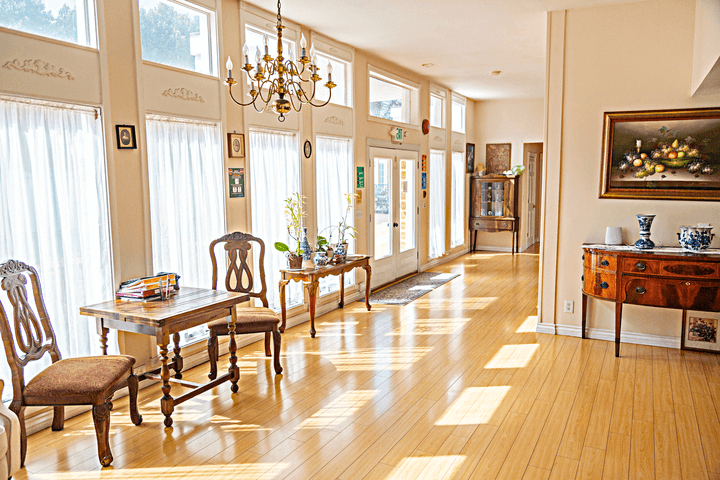
Large facilities with long hallways, multiple wings, and dozens of unfamiliar faces can be overwhelming for many seniors. The constant stimulation, noise, and institutional atmosphere often create stress and anxiety, particularly for those who are already dealing with health challenges or adjusting to significant life changes.
Board and care homes offer a stable, predictable environment with familiar faces, consistent routines, and manageable stimulation levels. The homelike setting—with residential furniture, home-cooked meals, and a living room instead of a lobby—provides comfort and familiarity that supports emotional well-being.
This calmer environment benefits all residents but is particularly valuable for seniors with anxiety, depression, cognitive changes, or behavioral challenges. When the physical environment itself promotes calm and comfort, residents tend to be happier, more relaxed, and better able to engage with caregivers and activities.
Stronger Relationships Between Staff and Residents
The small staff-to-resident ratio in board and care settings creates opportunities for genuine relationships to develop. Rather than providing transactional care focused solely on tasks, caregivers in residential settings can engage meaningfully with each resident. These relationships provide emotional support, reduce feelings of loneliness, and contribute significantly to overall quality of life.
Family members often report that their loved ones seem happier and more engaged in board and care settings compared to previous experiences in larger facilities. The warmth of a home environment combined with consistent caregivers creates a sense of security and belonging that institutional care often lacks.
Greater Flexibility and Responsiveness
Large facilities operate on institutional schedules driven by organizational efficiency. Meals happen at set times regardless of individual hunger patterns. Activities follow predetermined schedules. Medical appointments require advance coordination through multiple departments.
Board and care homes can be more flexible and responsive to individual needs and family preferences. If a resident isn’t hungry at the scheduled dinner time, a caregiver can prepare a meal when they are ready. If a family wants to visit outside typical hours or take their loved one on an outing, arrangements can be made more easily.
This flexibility extends to care approaches as well. When something isn’t working—whether it’s a medication side effect, a communication strategy, or an activity that causes distress—adjustments can be made quickly without navigating institutional bureaucracy.
Board and Care Homes vs. Other Senior Living Options
Understanding how board and care homes differ from other care settings helps families make informed decisions:
Assisted Living Facilities typically serve 25 to 100+ residents in apartment-style units with common areas for dining and activities. While they offer more independence than nursing homes, the larger scale means less individualized attention and more institutional routines. Assisted living works well for independent seniors who need minimal assistance but may be overwhelming for those who require more personalized care or struggle in busier environments.
Nursing Homes provide the highest level of medical care, including skilled nursing services and rehabilitation. These facilities are appropriate for seniors with complex medical needs requiring constant medical supervision. However, the clinical environment and institutional scale may not be ideal for seniors who don’t require skilled nursing but do need comprehensive daily assistance and supervision.
Memory Care Units within larger facilities offer specialized care for cognitive impairment with secured environments and trained staff. While better suited for seniors with memory loss than general assisted living, these units still operate on a larger scale with more residents and less individualized attention than board and care homes.
In-Home Care allows seniors to remain in their own homes with visiting caregivers. This option provides the most familiar environment but lacks 24-hour supervision and may not be feasible for seniors requiring extensive assistance or those living alone with safety concerns.
Board and care homes for seniors bridge the gap between these options, providing comprehensive care and supervision in an intimate, residential setting. For families seeking personalized attention without the institutional feel of larger facilities, board and care homes offer an ideal balance.
What to Look for When Choosing a Board and Care Home
Not all board and care homes are created equal. When evaluating options for your loved one, consider these essential factors:
Licensing and Regulatory Compliance
Verify that the facility holds current state licensing and maintains good standing with regulatory agencies. Ask about recent inspection reports and any citations or deficiencies noted by state surveyors.
Staff Training and Experience
Inquire about caregiver qualifications and training, particularly regarding the specific type of care your loved one needs. Whether that involves behavioral management, memory support, mobility assistance, or managing chronic conditions, specialized training makes a significant difference in care quality. Ask about staff turnover rates as well—high turnover disrupts the continuity of care that makes small-scale settings so beneficial.
Facility Specialization
Some board and care homes specialize in particular types of care, such as memory care, behavioral support, post-surgical recovery, or hospice care. Choosing a facility with expertise relevant to your loved one’s needs ensures they receive appropriate support from staff who understand their challenges.
Physical Environment
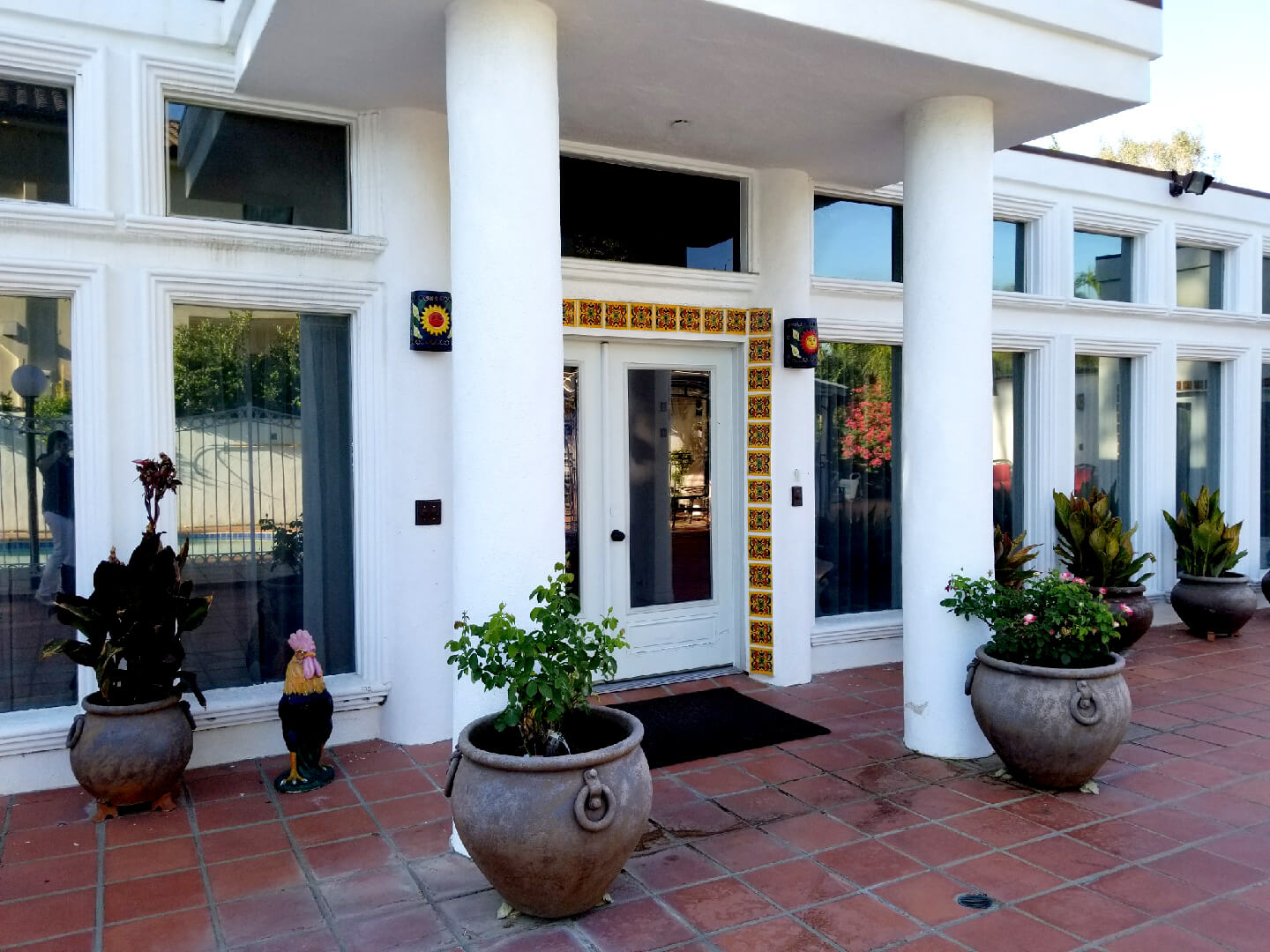
Visit the facility and assess whether it truly feels like a home rather than an institution. Look for comfortable, residential furniture, adequate natural light, accessible outdoor spaces, and appropriate safety features that don’t feel overly clinical. Consider whether the environment would be calming and comfortable for your loved one.
Care Philosophy and Approach
Discuss the facility’s care philosophy with administrators and staff. Do they emphasize dignity, respect, and independence? How do they handle challenging situations? What is their approach to medication use and managing behavior changes? Their answers should align with your values and expectations for your loved one’s care.
Communication with Families
Ask how the facility keeps families informed about their loved one’s health, daily activities, and any concerns. Regular communication helps families feel connected and confident in the care being provided.
Is a Board and Care Home Right for Your Loved One?
Board and care homes work well for seniors who:
- Need assistance with activities of daily living but don’t require skilled nursing care
- Would benefit from 24-hour supervision in a homelike setting
- Struggle in larger, more institutional environments
- Require specialized care for behavioral challenges, memory issues, or other specific needs
- Thrive with routine, consistency, and familiar surroundings
- Would benefit from closer relationships with caregivers
- Need more personalized attention than larger facilities can provide
Families often discover that their loved ones are happier, calmer, and more engaged in board and care settings compared to previous experiences in larger facilities. The personalized attention, comfortable environment, and homelike atmosphere address many of the challenges that make institutional care difficult for seniors with various needs.
Royal Garden BC: Specialized Board and Care in the San Fernando Valley
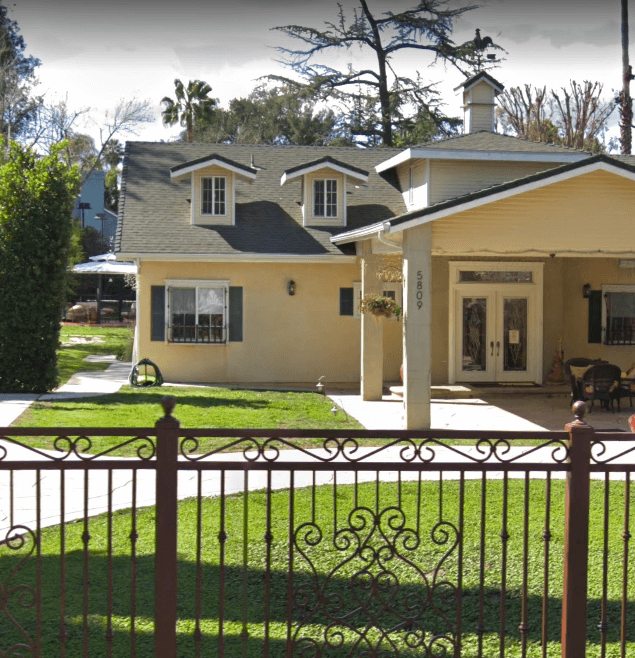
For families in the San Fernando Valley seeking board and care homes for seniors, Royal Garden BC offers personalized residential care in intimate, six-bed facilities. Our locations in Tarzana, Valley Glen, Burbank, and Thousand Oaks provide the individualized attention and expertise that families seek when larger facilities haven’t met their loved one’s needs.
What distinguishes Royal Garden BC is our ability to serve seniors with complex care needs, including those with behavioral challenges, memory impairment, or other circumstances that require specialized expertise. We understand that many families reach us after struggling to find appropriate care elsewhere—whether their loved one has been discharged from other facilities, requires more attention than larger settings can provide, or simply needs an environment where they can feel safe, comfortable, and valued.
Our trained staff specializes in person-centered care approaches, behavioral support techniques, and creating environments that help every resident thrive. We work closely with families and healthcare providers to develop individualized care plans that address each resident’s unique needs, preferences, and challenges.
The small scale of our facilities—serving just six residents—allows us to provide the level of attention and flexibility that quality senior care requires. Our caregivers know each resident intimately and can respond quickly to changes in behavior, health, or emotional well-being.
To learn more about our comprehensive care services and how board and care homes support seniors with varying needs, we invite you to contact our team. We’re here to answer your questions, discuss your loved one’s specific situation, and help you determine whether our residential care model is the right fit for your family.
Making the Decision: Next Steps for Families
Choosing the right care setting for a loved one is one of the most important and emotionally challenging decisions families face. Understanding what board and care homes for seniors offer—and how they differ from other options—empowers you to make a choice aligned with your loved one’s needs and your family’s values.
Start by visiting facilities in person, asking detailed questions about care approaches and staff training, and trusting your instincts about whether the environment feels right. The best board and care home will feel less like a facility and more like a home where your loved one can receive expert care while maintaining dignity, comfort, and quality of life.
If you’re ready to explore whether specialized board and care is right for your family, reach out to Royal Garden BC today. We’ll take the time to understand your loved one’s unique situation and help you make an informed decision about their care.