


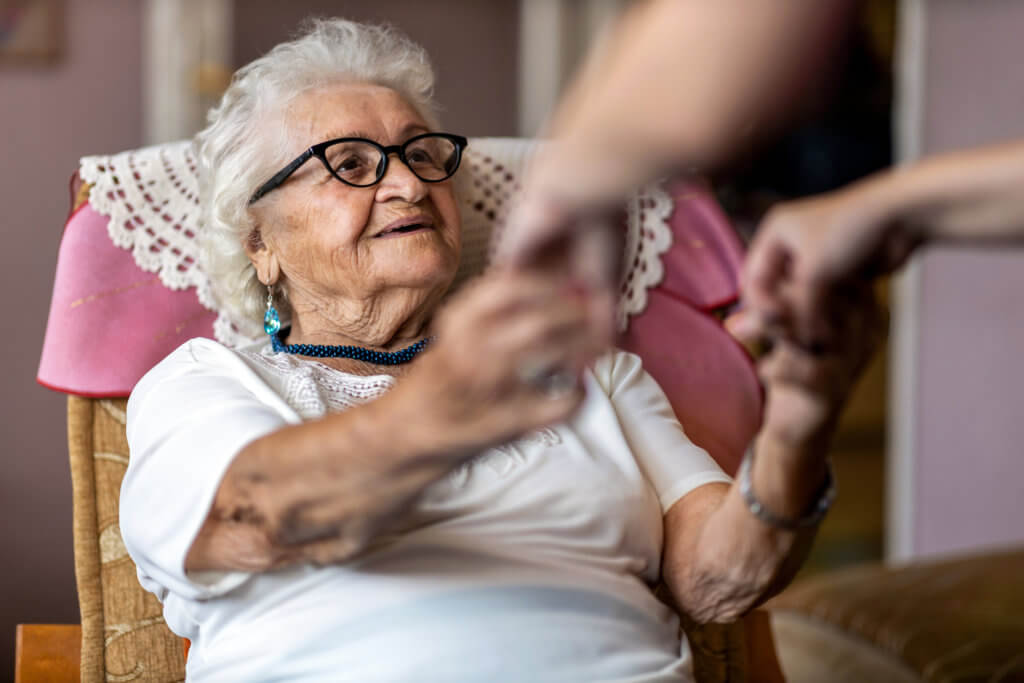
When your mother pushes you away during bath time, or your father shouts “Get out!” as you help him dress, the emotional weight can feel unbearable. Add to this the realization that care at home may no longer be sustainable, and many families face an agonizing question: How do you help someone with dementia accept professional care when they’re adamantly refusing to move?
This resistance isn’t defiance or stubbornness—it’s a meaningful communication from someone whose cognitive changes make institutional transitions feel frightening and confusing. Understanding why dementia patients refuse care placement, and knowing how to respond with both compassion and practical strategy, can transform this difficult situation from crisis into careful transition.
Why Dementia Patients Resist Care Home Placement
The person you’re caring for isn’t simply being difficult. Research from the National Institutes of Health demonstrates that refusals of care in dementia represent meaningful communicative actions invoked from the care interaction itself.
Loss of familiar environment triggers deep anxiety. Dementia progressively impairs the brain’s ability to process new information and adapt to change. Moving from a familiar home—where muscle memory guides daily routines—to an unfamiliar environment can feel psychologically catastrophic to someone already struggling with memory loss and disorientation.
Diminished executive function impairs decision-making. The frontal lobe deterioration characteristic of many dementias compromises the brain regions responsible for weighing options, understanding consequences, and making complex decisions. Your loved one may literally lack the cognitive capacity to process why residential care might benefit them.
Fear of abandonment feels intensely real. Even when families explain repeatedly that placement doesn’t mean abandonment, dementia patients often can’t retain or process these reassurances. Each conversation about moving may feel like the first time they’re hearing it, triggering fresh panic and refusal.
Anosognosia masks insight into decline. Many people with dementia experience anosognosia—a neurological condition preventing awareness of their own cognitive deficits. If your father doesn’t recognize that he needs help with daily activities, suggestions about residential care feel insulting rather than supportive.
The emotional intensity of these refusals often includes aggressive behaviors, particularly as dementia progresses. Families searching for care homes for aggressive dementia patients face the dual challenge of managing current behavioral issues while navigating their loved one’s resistance to placement.
The Psychology Behind Resistance: What Your Loved One Is Really Communicating


When viewed through the lens of cognitive science, refusal behaviors become more understandable. Your mother’s angry rejection when you mention “assisted living” isn’t personal—it’s her brain’s protective response to perceived threat.
Preserved emotional memory outlasts factual memory. Even when someone can’t remember conversations from earlier today, emotional imprints remain. If previous discussions about care placement triggered fear or sadness, those feelings resurface with each new conversation, even without explicit memory of why.
Communication deficits amplify frustration. As language abilities deteriorate, people with dementia struggle to articulate complex feelings. “No!” or physical resistance may be their only way to express: “I’m scared,” “I don’t understand,” or “This feels wrong to me.”
Environmental cues signal safety or threat. Small-scale, homelike environments naturally reduce anxiety in dementia patients because familiar domestic cues (home kitchens, living room furniture, residential scale) trigger associations with comfort and safety. Large institutional facilities with hospital-like aesthetics can unconsciously signal danger or medical crisis.
This understanding becomes critical when evaluating potential care options. How to talk to your loved one about transitioning into board & care requires recognizing that environment shapes emotional response—conversations about small, residential board and care homes often trigger less resistance than discussions of large nursing facilities.
Practical Communication Strategies for Difficult Conversations
Families attempting to discuss care placement often repeat the same approaches that haven’t worked, leading to escalating conflict. Evidence-based communication strategies can reduce resistance:
Time conversations strategically. Never attempt serious discussions when your loved one is tired, hungry, in pain, or already agitated. Mid-morning often works best, after medication has taken effect but before afternoon fatigue sets in. If the first attempt triggers strong refusal, give it several days before trying again.
Use concrete, positive framing. Abstract concepts like “getting help” or “making things easier” don’t resonate with impaired cognition. Instead: “We found a beautiful home with only six residents and a garden you’d love” provides tangible, positive details.
Involve trusted allies. Sometimes a physician, clergy member, or adult grandchild can communicate what parents won’t hear from their primary caregiver. The message remains identical, but the messenger changes the dynamic.
Validate feelings while redirecting focus. When your father says, “I’m not leaving my house,” respond: “I understand this house holds so many memories. Let’s talk about how to keep you safe and comfortable.” Acknowledgment diffuses some emotional intensity.
Break information into digestible pieces. Presenting comprehensive care plans overwhelms compromised processing abilities. Focus one conversation on the social aspects, another on the caregiving support, gradually building familiarity.
For families dealing with combative behaviors alongside refusal, living with combative dementia requires specialized approaches that acknowledge these behaviors emerge from fear and confusion rather than intentional aggression.
The Critical Role of Environment in Acceptance
Perhaps the most overlooked factor in dementia patient acceptance is the physical environment of the care setting itself. Recent research demonstrates that small-scale, homelike care environments significantly reduce anxiety and resistance compared to traditional institutional facilities.
Scale dramatically impacts psychological response. Care homes housing 20-30 residents feel institutional regardless of décor. Board and care facilities limited to 6-8 residents maintain a residential atmosphere that doesn’t trigger the institutional anxiety many dementia patients experience.
Familiar domestic cues provide neurological comfort. Real residential kitchens where residents participate in meal preparation, living rooms with familiar furniture arrangements, and single bedrooms that accommodate personal belongings all activate positive neural pathways associated with home and safety.
Reduced sensory overstimulation allows for cognitive clarity. Large facilities generate constant background noise, multiple caregiver shifts with unfamiliar faces, and complex navigation that overwhelms compromised cognitive processing. Small settings naturally reduce this sensory burden.
Consistent caregiving relationships build trust faster. In 6-resident homes, your loved one interacts with the same 3-4 caregivers daily, allowing recognition and trust to develop even with memory impairment. Large facilities’ rotating staff means constantly reestablishing relationships, maintaining perpetual anxiety.
This environmental consideration becomes essential when families need memory care for aggressive patients. Small-scale settings allow personalized behavioral interventions and consistent caregiving approaches that large facilities cannot replicate due to their size and staffing models.
When Safety Requires Immediate Action: Navigating Crisis Situations
Some families face the heartbreaking situation where home care has become genuinely unsafe—for the person with dementia, for family caregivers, or both—yet their loved one adamantly refuses placement. These crisis scenarios require a different framework.
Assess immediate versus long-term risk. Is your mother falling multiple times daily? Is your father’s aggression creating physical danger? Or is the situation draining but not immediately hazardous? Immediate safety crises may require placement without full consent, while slower deterioration allows time for gentler approaches.
Engage medical professionals in assessment. Physicians can evaluate capacity to make care decisions and document findings that may be necessary for conservatorship or guardianship proceedings if required. Medical authority sometimes carries weight when family persuasion has failed.
Consider therapeutic fibs with physician approval. Some families find temporary success framing placement as “short-term rehabilitation” or “respite to help the family.” While controversial, these approaches can reduce initial resistance long enough for the person to acclimate and recognize benefits.
Plan for the transition period. The first 2-3 weeks determine long-term adjustment. Frequent family visits during this period, bringing familiar items from home, and maintaining regular routines all facilitate adaptation. Some resistance during this adjustment phase is normal and typically decreases as new routines become familiar.
Prioritize settings designed for difficult transitions. Care homes for aggressive dementia patients with experience managing resistant behaviors and challenging transitions employ specialized approaches that general facilities cannot provide.
The Continuum of Care Advantage in Small-Scale Settings
One frequently overlooked factor in care home resistance is the fear of multiple future moves. In traditional large assisted living or nursing facilities, residents often face relocation to “memory care wings” or “skilled nursing sections” as dementia progresses—each move retraumatizing the person and restarting difficult adjustment periods.
Small board and care homes specializing in dementia eliminate this concern by providing continuum care within the same intimate environment. As cognitive and physical needs increase, care levels adjust without requiring the traumatic experience of relocation. The same familiar caregivers, the same bedroom, the same dining table—only the level of support changes.


This continuity becomes particularly valuable for aggressive dementia patients who may initially require intensive behavioral support but could eventually stabilize in the consistent environment. Each avoided relocation prevents the regression and behavioral escalation that often accompanies moves.
Supporting Yourself Through This Process
Family caregivers navigating a loved one’s refusal of care placement experience profound emotional strain. The combination of practical necessity, your loved one’s distress, and often guilt about “putting them in a home” creates psychological burden that shouldn’t be minimized.
Acknowledge the complexity of your position. You’re simultaneously advocating for your loved one’s safety and wellbeing while respecting their autonomy as much as their cognitive status allows. This balance has no perfect solution.
Build a support network. Other families who have navigated this transition understand the specific challenges in ways that well-meaning friends without dementia experience cannot. Support groups (online or in-person) provide both practical advice and emotional validation.
Reframe placement as caregiving, not abandonment. Recognizing when professional care becomes necessary demonstrates good judgment and protective love—not failure. Your role shifts from providing direct care to ensuring quality care is provided.
Consider your own sustainability. Caregiver burnout, health consequences from caregiving stress, and the potential for inadvertent harm when exhausted caregivers struggle with difficult behaviors all factor into ethical care decisions.
Making the Decision: Evaluating Your Options
When resistance to care home placement persists despite your best efforts, families must evaluate options through multiple lenses:
Medical necessity: Does your loved one’s condition require 24-hour supervision that family care cannot safely provide?
Environmental appropriateness: Does the facility being considered match your loved one’s needs for intimacy, familiarity, and specialized dementia care?
Specialized expertise: Can the setting appropriately manage your loved one’s specific behavioral challenges, including aggression or combativeness if present?
Family capacity: Can current caregiving arrangements continue without compromising caregivers’ health, employment, or family relationships?
Financial considerations: While important, financial factors should be weighed against safety and care quality rather than driving the decision independently.
For many families in the San Fernando Valley, small-scale board and care homes offer an optimal balance—providing professional dementia care in residential settings that feel less institutional and typically generate less initial resistance than large facilities.
When to Seek Professional Guidance
Certain situations warrant professional assistance in managing care transitions:
- Persistent aggressive or violent behaviors that endanger caregivers
- Complete refusal of all personal care at home, leading to hygiene or health crises
- Wandering behaviors that create safety risks despite home modifications
- Caregiver health problems from caregiving stress
- Legal capacity questions requiring formal assessment
- Family conflict about appropriate care decisions
Geriatric care managers, eldercare attorneys, and dementia care specialists can provide objective assessment and facilitate difficult conversations when family dynamics complicate decision-making.
Moving Forward with Compassion and Confidence


Your loved one’s refusal to consider care home placement reflects their brain’s inability to process complex information and adapt to major change—not a judgment on your care or your decision-making. Understanding the neurological and psychological factors driving resistance allows you to respond with informed compassion rather than reactive frustration.
The most successful care transitions typically involve:
- Early, repeated exposure to potential care settings
- Choosing environments designed to feel residential rather than institutional
- Maintaining realistic expectations about adjustment periods
- Prioritizing facilities with expertise in dementia behavioral challenges
- Ensuring family presence during the critical early weeks
Small-scale board and care homes specializing in dementia care often provide the least traumatic transition path because their residential nature triggers fewer institutional anxieties while still delivering professional care expertise that advancing dementia requires.
Your Next Steps
If you’re struggling with a loved one’s refusal to accept needed care:
- Schedule a capacity assessment with their physician to understand their decision-making abilities
- Tour small-scale care options to find environments most likely to feel comfortable rather than institutional
- Document current care challenges to clarify whether home care remains sustainable
- Connect with families who have navigated similar transitions for practical insights
- Develop a transition plan that includes frequent family presence during adjustment
At Royal Garden Board & Care, our small 6-resident homes throughout the San Fernando Valley provide the intimate, residential setting that reduces resistance while delivering specialized dementia care expertise. Our experienced team understands the complexities of difficult transitions and works with families to facilitate the smoothest possible adjustment.
When you’re ready to explore options or simply discuss your situation with someone who understands the challenges of dementia care placement, we’re here to help. Contact us at (818) 512-7650 to schedule a tour or confidential consultation about your family’s specific situation.