



When families begin searching for senior care options, they often encounter a confusing array of terms and facility types. Among these options, board and care homes represent a distinct approach to residential care that prioritizes personalized attention in an intimate, homelike setting. Understanding what board and care truly means can help families make informed decisions about their loved one’s care.


What Is a Board and Care Facility?
A board and care facility is a residential home specifically designed to provide assistance with daily living activities for a small group of seniors. These homes typically accommodate between two and ten residents, creating an environment that feels more like a family home than an institutional care setting. The term “board and care” itself refers to the combination of room and board with personalized care services.
Board and care homes operate under various names depending on the state and region. You might hear them called residential care facilities, group homes, adult family homes, or residential care facilities for the elderly. According to the National Institute on Aging, these residential facilities can provide some or all of the long-term care services an older person needs, making them an important option in the continuum of senior care. Regardless of the name, these facilities share a common philosophy centered on providing individualized care in a residential neighborhood setting.
The physical structure of board and care homes sets them apart from larger facilities. Most operate out of single-family residences that have been adapted to meet the needs of residents requiring assistance. This residential character creates a comfortable, familiar atmosphere that can ease the transition for seniors moving from their own homes. Residents typically have either private rooms or share accommodations with one other person, and all residents share common living areas including kitchens, living rooms, and outdoor spaces.
The Core Services Board and Care Homes Provide


Board and care facilities focus on supporting residents with activities of daily living while encouraging as much independence as possible. This balanced approach allows seniors to maintain their dignity and autonomy while receiving the assistance they need.
Personal care assistance forms the foundation of board and care services. Staff members help residents with bathing, dressing, grooming, and toileting as needed. Medication management ensures residents take their prescribed medications at the correct times and dosages. Because staff members work with a small number of residents, they develop familiarity with each person’s unique needs and preferences.
Meals represent another essential service. Board and care homes provide three nutritious meals daily, typically prepared on-site in a home kitchen rather than a commercial facility. This approach allows for greater flexibility in accommodating dietary restrictions, preferences, and cultural food traditions. Many residents appreciate the homestyle cooking and the opportunity to enjoy meals together as a family would.
Housekeeping and laundry services free residents from the burden of maintaining their living spaces. Staff handle cleaning, linen changes, and laundry, allowing residents to focus their energy on activities they enjoy. Some board and care homes also provide transportation assistance for medical appointments, shopping, or social outings, though this varies by facility.
What board and care homes typically do not provide is 24-hour skilled nursing care. These facilities serve seniors who need help with daily activities but do not require the level of medical intervention found in nursing homes. Residents with complex medical conditions requiring frequent monitoring by licensed nurses may need a higher level of care than board and care can appropriately provide.
How Board and Care Differs from Larger Care Settings
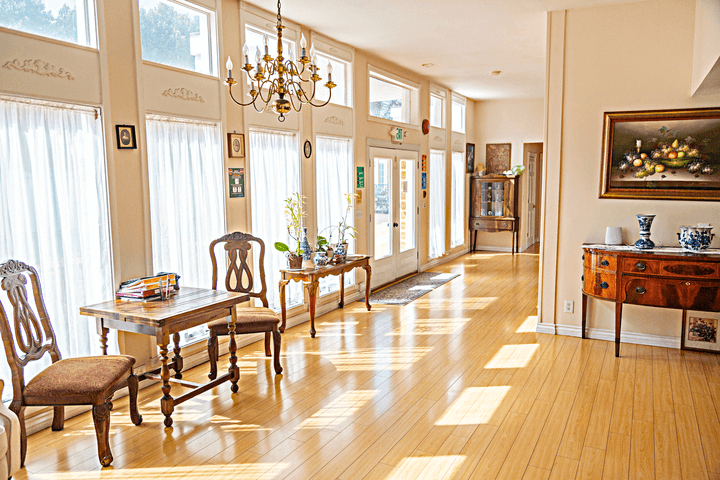

The most significant distinction between board and care homes and larger assisted living facilities lies in scale and approach. While assisted living communities may house anywhere from 25 to several hundred residents, board and care facilities deliberately maintain their small size to foster closer relationships and more personalized care.
This size difference directly impacts the staff-to-resident ratio. Board and care homes can maintain ratios as favorable as one caregiver for every three to six residents. In contrast, larger facilities typically operate with ratios closer to one caregiver for every 10 to 15 residents. This difference translates to more individualized attention, faster response times when residents need assistance, and deeper familiarity between staff and residents.
The environment in board and care homes feels fundamentally different from institutional settings. Residents live in actual homes within residential neighborhoods, not purpose-built facilities. They might have a backyard, a front porch, and neighbors who wave hello. This residential character helps residents feel more at home and less like they’re living in a medical facility.
Activity programming also differs between board and care homes and larger communities. Assisted living facilities often offer extensive calendars of group activities, classes, and scheduled outings. Board and care homes typically provide fewer structured programs but offer greater flexibility to accommodate individual interests and routines. The smaller setting allows staff to focus on activities residents genuinely enjoy rather than managing large group events.
Understanding How Assisted Living Works
To fully appreciate what board and care offers, it helps to understand how assisted living works more broadly. Assisted living serves as a middle ground between independent living and nursing home care, designed for seniors who need assistance with daily activities but not intensive medical intervention.
The operational model of assisted living involves providing housing, supportive services, and personalized care within a residential setting. Residents typically live in apartment-style units with their own bathrooms and small kitchenettes, though meal service in communal dining rooms is usually included. Common areas provide spaces for socializing, activities, and entertainment.
Care in assisted living facilities is tiered, meaning residents pay for the specific level of assistance they need. Someone requiring only medication reminders and occasional help with bathing pays less than someone needing extensive assistance with multiple activities of daily living. As residents’ needs change over time, their care plans and costs adjust accordingly.
Staff in assisted living communities include caregivers who assist with daily activities, licensed nurses who manage medical needs and medication administration, activity coordinators who plan events and programs, and dining services staff who prepare and serve meals. Larger facilities may also employ physical therapists, social workers, and specialized memory care staff.
The social aspect of assisted living constitutes a major appeal for many seniors. These communities actively foster social connections through organized activities, communal dining, shared spaces, and scheduled outings. For seniors who have experienced isolation or loneliness, the built-in social opportunities can significantly improve quality of life.
The Advantage of Personalized Care in Intimate Settings

Senior Woman Sitting In Chair And Talking With Nurse In Retirement Home
The small scale of board and care homes creates opportunities for personalization that larger facilities struggle to match. When caregivers work with just six residents rather than dozens, they learn each person’s preferences, routines, habits, and needs in detail. This familiarity allows staff to provide care that truly aligns with individual preferences.
Consider mealtimes in a board and care setting. Staff know that one resident prefers breakfast early while another sleeps late. They understand dietary preferences beyond simple allergies – who loves spicy food, who prefers mild flavors, who never touches mushrooms. They remember that one resident likes strong coffee while another drinks tea. This level of personalization extends to all aspects of daily life.
The intimate environment also benefits seniors who feel overwhelmed in larger settings. Some people thrive in bustling communities with constant activity, while others find such environments overstimulating or anxiety-inducing. Board and care homes provide a quieter, calmer atmosphere that suits seniors who prefer smaller social circles and predictable routines.
For families with loved ones experiencing dementia or behavioral challenges, the small-scale environment offers particular advantages. Familiar faces, consistent routines, and lower stimulation levels can reduce confusion and anxiety. Staff can respond quickly to emerging needs and adjust care approaches based on what works best for each individual.
Finding Board and Care in the San Fernando Valley
Families searching for board and care options in the San Fernando Valley have access to various residential care facilities throughout the area. Communities like Tarzana and Valley Glen, with their established residential neighborhoods and proximity to medical services, have become home to several quality board and care facilities.
When evaluating assisted living in Tarzana or board and care options in Valley Glen, families should consider factors beyond just location. The quality of care, staff training and stability, the physical condition of the home, meal quality, and the overall atmosphere all contribute to residents’ wellbeing and satisfaction.
The San Fernando Valley’s climate and geography offer advantages for seniors in residential care. Mild weather allows for year-round outdoor activities, whether that’s sitting on a patio, tending a garden, or taking walks in the neighborhood. The area’s extensive medical infrastructure means quality healthcare remains easily accessible when needed.
Assisted living in Valley Glen and throughout the San Fernando Valley ranges from large apartment-style communities to small board and care homes. This variety allows families to find the setting that best matches their loved one’s personality, care needs, and preferences. Some seniors flourish in larger communities with extensive amenities, while others thrive in the family atmosphere of a board and care home.
Making the Right Choice for Your Family
Choosing between board and care and other senior living options requires honest assessment of your loved one’s needs, preferences, and personality. Consider not just current needs but how those needs might evolve over time.
Ask yourself what type of environment helps your loved one feel most comfortable. Do they enjoy being around many people, or do they prefer quieter settings with a small group? Do they value having numerous activity options and amenities, or would they rather focus on simple routines and familiar faces? Would they appreciate the homelike setting of a board and care facility, or would they prefer a more facility-style environment with clearly defined services?
Consider the level of personalization your loved one needs or would benefit from. Seniors with specific dietary requirements, cultural preferences, or behavioral challenges often thrive with the individualized approach that board and care homes can provide. Those who need consistent routines and struggle with transitions may find the stable, familiar environment of a small facility particularly beneficial.
Financial considerations also play a role in the decision. Board and care homes typically cost less than larger assisted living facilities because they offer fewer amenities and operate with lower overhead. However, quality varies, and the least expensive option isn’t always the best value. Focus on finding care that meets your loved one’s needs at a sustainable price point for your family.
The Importance of Personal Visits and Questions


No amount of research can replace the insights gained from visiting potential care facilities in person. When touring board and care homes, observe how staff interact with residents. Do they speak respectfully and patiently? Do they seem to know residents as individuals? Is the atmosphere warm and welcoming, or does it feel institutional despite the residential setting?
Pay attention to current residents’ engagement and demeanor. Do they seem content and comfortable? Are they interacting with each other and with staff? Does the home feel alive with activity, or is everyone isolated in their rooms? While not every moment will be perfect, the overall impression should be positive.
Ask specific questions about staff training, turnover rates, and how the facility handles emergencies. Inquire about the process for adjusting care as needs change. Understand what services are included in the base rate versus what costs extra. Request references from current resident families and take the time to contact them.
Visit at different times of day if possible. Drop by during mealtime to observe the food quality and dining atmosphere. Come during afternoon activities to see how staff engage residents. An unannounced visit can provide valuable insights into daily operations and care quality.
Looking Forward with Confidence
Understanding what board and care facilities offer empowers families to make informed decisions about senior care. These intimate residential settings provide a valuable alternative to larger facilities, particularly for seniors who value personalized attention, familiar environments, and close-knit community.
Whether you’re exploring board and care options, researching how assisted living works, or comparing different care settings in Tarzana and Valley Glen, the key is matching the care environment to your loved one’s unique needs and preferences. The right setting helps seniors maintain their dignity, independence, and quality of life while receiving the support they need.
At Royal Garden BC, we understand that families throughout the San Fernando Valley seek care options that honor their loved ones as individuals. Our small-scale residential approach prioritizes personalized care in a true home environment, particularly for seniors with memory care needs and behavioral challenges. With locations in Tarzana, Valley Glen, Burbank, and Thousand Oaks, we maintain our commitment to keeping our homes small – never more than six residents – ensuring each person receives the individualized attention they deserve.
To learn more about our services and approach to memory care, or to schedule a visit to one of our Valley locations, contact us today.