



One of the most emotionally challenging conversations families face is discussing the transition from independent living to residential care. Whether you’re considering board and care homes in Los Angeles or searching for “board and care near me,” the conversation itself often feels more daunting than the practical logistics. This guide will help you approach this sensitive discussion with empathy, honesty, and practical strategies that honor your loved one’s dignity while addressing their evolving care needs.
Understanding Why This Conversation Matters
Before diving into communication techniques, it’s important to recognize why this conversation is so difficult—and why it’s crucial to approach it thoughtfully. Transitioning to board and care homes represents a significant life change that can trigger feelings of loss, fear, and uncertainty for your loved one. However, when handled with care and respect, this conversation can also become an opportunity to affirm your love, ensure their safety, and involve them in decisions about their future.
Research on family conversations about care transitions emphasizes the complex emotional dynamics at play. A study published in Health Communication found that adult children face multiple dilemmas when discussing care decisions with parents, including the need to be both gentle and direct, and the challenge of preserving parents’ autonomy while addressing legitimate safety concerns. Understanding these dynamics can help families navigate these difficult conversations more effectively.
When to Start the Conversation
Timing significantly impacts how well your loved one receives this discussion. Ideally, conversations about future care should begin before a crisis makes the decision urgent.
Start early when possible. If your parent or loved one is still relatively independent but showing early signs of needing support, gentle conversations about “what if” scenarios can normalize the topic. This approach removes the pressure of immediate decision-making and allows everyone to explore options without emotional urgency.
Watch for key indicators. Certain signs suggest it’s time to have a more direct conversation about board and care homes:
- Safety concerns at home (falls, medication mistakes, leaving stove on)
- Difficulty managing daily activities independently
- Social isolation and loneliness
- Memory issues affecting safety and wellbeing
- Caregiver burnout among family members
- Frequent hospitalizations or medical emergencies
Choose the right moment. Avoid initiating this conversation during times of high stress, immediately after a medical crisis, or when your loved one is tired or unwell. Instead, choose a calm moment when you can speak privately without interruptions. Many families find that casual settings—a quiet afternoon at home, during a walk, or over a meal—create less pressure than formal “we need to talk” scenarios.
Essential Communication Strategies
How you communicate matters as much as what you say. These evidence-based strategies can help make the conversation more productive and compassionate.
Lead with Love and Concern
Begin by expressing your care and concern rather than leading with problems or deficits. Frame the conversation around wanting to ensure their safety, happiness, and quality of life rather than focusing on what they can no longer do.
Instead of: “You can’t live alone anymore. It’s not safe.”
Try: “I love you and want to make sure you’re safe and supported. I’ve noticed some things that worry me, and I’d like to talk about how we can help.”
Use “I” Statements
Communication experts recommend using “I” statements to express concerns without sounding accusatory or critical. This approach reduces defensiveness and keeps the conversation collaborative.
Instead of: “You keep forgetting to take your medications.”
Try: “I’m worried when I see medications missed because I know how important they are for your health.”
Listen More Than You Talk
One of the most powerful communication tools is active listening. Your loved one may have fears, concerns, or preferences they need to express. Create space for them to share their feelings without immediately jumping to solutions or reassurances.
Ask open-ended questions:
- “How are you feeling about living at home these days?”
- “What worries you most about your current situation?”
- “What would make you feel most secure and comfortable?”
Then listen carefully to their responses. Acknowledge their feelings even if you disagree with their assessment. Validation doesn’t mean agreement—it means respecting their perspective.
Preserve Their Sense of Control
Loss of independence is one of the most difficult aspects of aging for many people. Research consistently shows that older adults respond better when they feel they have choices and input into decisions affecting their lives. The National Institute on Aging recommends asking rather than telling, and using language that implies choice rather than directives.
Even when the decision about transitioning to care is ultimately necessary, you can offer choices within that framework:
- “Would you like to visit some board and care homes together to see what feels right?”
- “We could look at options in different neighborhoods. Would you prefer to stay close to your current community or be near family?”
- “What features are most important to you in a new living situation?”
Address Fears Directly
Your loved one likely has specific fears about moving to board and care homes. Rather than dismissing these concerns, acknowledge them and provide honest information.
Common fears include:
- “I’ll lose my independence.” Acknowledge this fear, then explain how board and care homes support independence while providing needed assistance. Emphasize that residents have their own space, personal belongings, and daily routines.
- “I’ll be abandoned.” Reassure them that this transition doesn’t mean less family involvement. Explain your visiting plans and how you’ll stay connected.
- “It will be like a nursing home.” If this concern arises, take time to explain the differences. Board and care homes, particularly small-scale facilities like those offered by Royal Garden BC, provide a homelike atmosphere quite different from institutional settings.
- “I can’t afford it.” If financial concerns arise, be prepared to discuss practical options, including long-term care insurance, VA benefits, or how family members plan to contribute.
Be Honest About Safety Concerns
While maintaining empathy and respect, you also need to be honest about safety issues. If recent incidents have prompted this conversation—falls, wandering, medication errors—address these directly but gently.
Example approach: “Dad, I know you value your independence, and I respect that. But I’m scared when I think about you falling again and being alone for hours before help arrives. I love you too much to risk losing you. Let’s talk about options that keep you safe while respecting your autonomy.”
Practical Steps for the Conversation
Beyond general strategies, having a practical roadmap for the conversation itself can increase your confidence and effectiveness.


Step 1: Prepare Before You Talk
Before initiating the conversation:
- Research board and care options in advance so you can answer questions
- Talk with other family members to present a unified, supportive approach
- Consider what you’ll say if your loved one refuses or becomes angry
- Have information about facilities available but don’t overwhelm them initially
- Think about your loved one’s values and priorities to frame the discussion accordingly
Step 2: Choose Your Setting Carefully
The environment affects the conversation’s tone. Choose a:
- Private location without interruptions
- Comfortable, familiar setting
- Time when your loved one is typically alert and in good spirits
- Neutral space if home feels threatening (coffee shop, park bench)
Step 3: Start Gently
Don’t dive immediately into “you need to move.” Instead, warm up to the topic:
- Begin with expressions of love and concern
- Acknowledge recent changes you’ve observed
- Ask how they’re feeling about managing at home
- Share your own feelings of worry or concern
Step 4: Present Options as Collaboration
Rather than announcing a decision, frame this as a problem you’ll solve together:
“I’ve been thinking about ways we can make sure you’re safe and have the support you need. I’d like us to explore some options together. Would you be open to visiting a few places to see what’s available? We don’t have to decide anything today—I just want us to have information.”
Step 5: Validate Emotions
However your loved one responds—whether with relief, anger, sadness, or denial—validate their emotions:
- “I understand this is scary.”
- “It’s okay to feel angry about this.”
- “These changes are hard. Your feelings make complete sense.”
Step 6: Take Time
Unless there’s an immediate safety crisis, you don’t need to resolve everything in one conversation. It’s okay to:
- Take breaks if emotions run high
- Schedule follow-up conversations
- Give your loved one time to process
- Revisit the discussion multiple times
What If They Say No?
Even with the best communication approach, your loved one may refuse to consider board and care homes. This situation is challenging and requires careful navigation.
Respect Their Timeline (When Possible)
If safety isn’t immediately at risk, giving your loved one some time to adjust to the idea can be helpful. Continue expressing concern, documenting incidents, and gently bringing up the topic periodically. Sometimes people need time to reach their own conclusion.
Involve Trusted Third Parties
Sometimes loved ones respond better to concerns raised by:
- Their doctor or healthcare provider
- A trusted friend their own age
- A geriatric care manager
- A clergy member or spiritual advisor
Ask these individuals to reinforce your concerns during their own conversations.
Focus on Incremental Steps
If your loved one resists a full transition, consider suggesting:
- A temporary respite stay to “try it out”
- Starting with adult day programs
- Increasing in-home care first
- A trial period at a board and care facility
Know When Safety Requires Action
In some cases, safety concerns are so severe that waiting isn’t an option. If your loved one has dementia affecting their judgment, poses danger to themselves or others, or has experienced serious incidents, you may need to make decisions on their behalf. Consult with healthcare providers and, if necessary, legal counsel about the appropriate steps.
The Unique Advantages of Board and Care Homes
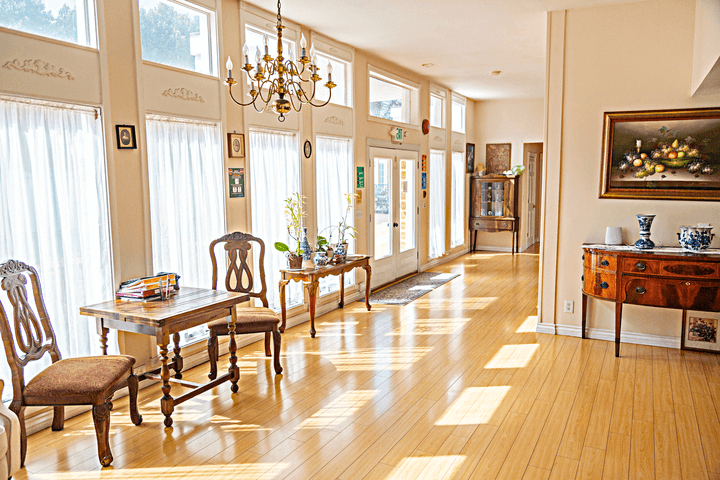

During your conversation, you’ll want to explain what makes board and care homes different from other senior care options—and why they might be the right choice.
Small-Scale, Homelike Environment
Unlike large assisted living facilities with 50+ residents, board and care homes typically serve six or fewer seniors. This small scale creates a family-like atmosphere that many older adults find more comfortable than institutional settings.
At Royal Garden BC, our maximum of six residents per home means:
- Staff members know each resident personally
- Caregivers can accommodate individual preferences and routines
- The environment feels like a private home, not a facility
- Residents form close relationships with both staff and fellow residents
- Meals, activities, and schedules can be truly personalized
Specialized Care for Complex Needs
Many board and care homes in Los Angeles specialize in specific types of care, particularly memory care and behavioral support for individuals with dementia. Royal Garden BC has extensive experience supporting residents with challenging behavioral symptoms, providing the expertise that gives families peace of mind.
Geographic Convenience
Searching for “board and care near me” helps families find options that allow for regular visits. Proximity matters—it’s easier to stay connected with your loved one when they’re nearby. Royal Garden BC operates multiple locations throughout the San Fernando Valley, including Tarzana, Valley Glen, Burbank, and Thousand Oaks, making it convenient for families throughout the Los Angeles area to visit regularly.
More Affordable Than Large Facilities
Board and care homes often cost less than large assisted living communities while providing comparable or superior individualized care. The smaller scale means lower overhead costs without sacrificing quality—in fact, the personalized attention often exceeds what’s possible in larger settings.
Visiting Facilities Together
Once your loved one is open to exploring options, visiting board and care homes together is a crucial next step.
What to Look For During Visits
When you tour facilities, observe:
- How staff interact with current residents (friendly, patient, respectful?)
- The cleanliness and maintenance of the facility
- Whether the environment feels homelike and comfortable
- The size and privacy of resident rooms
- The quality and variety of meals
- Activity programs and daily schedules
- Safety features that don’t feel institutional
- The overall atmosphere (calm, cheerful, engaging?)
Questions to Ask Together
Involve your loved one in asking questions:
- “What does a typical day look like here?”
- “How do you handle residents who need help with [specific need]?”
- “Can residents bring their own furniture and belongings?”
- “What are visiting hours?”
- “How do you communicate with families?”
- “What happens if medical needs increase?”
Give Them Voice in the Decision
After visiting several options, ask your loved one which felt most comfortable and why. Even if you have a strong preference, honoring their input increases the likelihood of a positive transition.
Making the Transition Smoother
Once the decision is made, thoughtful preparation eases the transition to board and care homes.
Involve Them in Preparations
Let your loved one participate in:
- Deciding what furniture and belongings to bring
- Decorating their new space
- Meeting staff and future housemates before move-in day
- Planning their first family visit
Maintain Routines and Connections
Help your loved one bring familiar routines to their new home:
- Continue favorite activities where possible
- Maintain connections with friends and community
- Visit regularly, especially during the first few weeks
- Bring familiar items from home (photos, favorite chair, cherished objects)
Stay Connected During Adjustment
The first few weeks are often the hardest. Plan to:
- Visit frequently initially
- Call regularly between visits
- Participate in activities together
- Communicate openly with staff about concerns
- Be patient with adjustment challenges
Why Royal Garden BC Makes the Transition Easier


At Royal Garden BC, we understand that choosing board and care is one of the most significant decisions families make. Our approach to welcoming new residents acknowledges the emotional complexity of this transition.
Our small-scale model provides the personalized attention that helps new residents feel at home quickly. With only six residents per facility, we can:
- Learn each person’s preferences, routines, and needs immediately
- Accommodate special requests and individual schedules
- Create genuine relationships between residents and staff
- Provide the quiet, calm environment that reduces anxiety
- Offer flexibility that large facilities simply cannot match
We welcome families to visit our locations throughout the San Fernando Valley, meet our staff, and see firsthand how our homelike environment differs from institutional care settings. Many families tell us that after touring Royal Garden, their loved ones felt more at ease about the transition.
Our team specializes in supporting individuals with memory challenges and behavioral concerns, providing the expertise that families need when standard care isn’t enough. We work closely with families to understand each resident’s history, preferences, and unique needs, creating care plans that honor individuality while ensuring safety and wellbeing.
Finding the Right Support
Transitioning to board and care represents a significant life change, but it doesn’t have to be a negative one. With thoughtful communication, genuine respect for your loved one’s feelings, and the right care environment, this transition can actually improve quality of life, reduce family stress, and ensure the safety and support your loved one needs.
If you’re searching for “board and care near me” or researching board and care homes in Los Angeles, we invite you to learn more about Royal Garden BC’s approach to residential care. Our comprehensive services reflect our commitment to personalized, dignified care in a true home environment.
We understand how difficult these conversations and decisions can be. Our team is here to answer questions, address concerns, and help you determine whether our board & care homes might be the right fit for your family. Contact us to schedule a tour, discuss your loved one’s needs, or simply talk through your options with someone who understands the challenges you’re facing.
You don’t have to navigate this journey alone. With the right communication approach, genuine partnership with your loved one, and a care environment that prioritizes dignity and individuality, the transition to board and care can be the beginning of a new chapter characterized by safety, support, and peace of mind for the entire family.