



When families make the difficult decision to move a loved one with aggressive dementia into specialized care, one question dominates their thoughts: “What will daily life actually be like?” The uncertainty can feel overwhelming—will behaviors improve, will your loved one adjust, and what does a typical day look like in care homes for aggressive dementia patients near me?
Understanding what happens after placement helps families set realistic expectations while providing the reassurance that specialized care can genuinely improve quality of life for both residents and their families. If you’re seeking answers about how professional dementia care works in practice, contact us to discuss your specific situation and tour our facilities. This guide walks through the reality of daily life at care homes designed for aggressive dementia patients, from the first day through long-term stabilization.
The First 24 Hours: What Move-In Day Looks Like
The initial transition into long-term care facilities for dementia patients is carefully orchestrated to minimize stress and confusion. At specialized board and care homes, the focus on the first day centers on establishing comfort and familiarity rather than imposing strict routines.
Arrival and Orientation
When a resident arrives, staff trained in behavioral dementia care greet both the family and the new resident warmly. Rather than overwhelming the person with tours and introductions, caregivers focus on settling them into their private space. Familiar belongings—photos, a favorite blanket, cherished items—are already arranged to create immediate recognition and comfort.
Staff members spend time observing how the resident responds to the new environment rather than forcing interaction. Some individuals with aggressive dementia may initially appear calm, while others show immediate resistance or confusion. Both reactions are normal, and experienced caregivers adjust their approach accordingly.
Understanding Initial Behaviors
The first day often reveals how a person copes with change. According to the National Institute on Aging, aggressive behaviors in dementia patients frequently stem from fear, confusion, or inability to communicate needs. On move-in day, these triggers are at their peak.
Common first-day behaviors include:
- Repeated requests to “go home”
- Resistance to eating or accepting help
- Attempts to leave the facility
- Increased verbal agitation or physical attempts to push caregivers away
- Withdrawal and refusing to engage
Specialized care homes anticipate these responses. Rather than reacting to aggressive behaviors with restraint or confrontation, trained staff use de-escalation techniques, redirection, and patience. The goal isn’t to force compliance but to begin building trust.
The First Week: Establishing Patterns and Trust


Friendly nurse supporting an elderly lady
The initial seven days represent the most challenging adjustment period. Families often report feeling heartbroken when their loved one seems distressed, angry, or unable to understand why they’re in a new place. This period requires patience from everyone involved.
Daily Routine Introduction
Structured routines benefit dementia patients by reducing unpredictability, which can trigger aggressive episodes. During the first week, caregivers introduce daily patterns gradually:
- Consistent wake-up times with gentle, non-threatening assistance
- Meals served at the same times each day in familiar settings
- Simple activities that don’t demand complex cognition
- Regular quiet periods for rest and processing
- Bedtime routines that promote calm and security
The Alzheimer’s Association emphasizes that aggressive behaviors often occur when individuals with dementia feel pushed beyond their current capabilities. During the first week, expectations remain low, allowing residents to adjust at their own pace.
Building Trust with Caregivers
Perhaps the most critical development during the first week involves relationship-building between residents and their primary caregivers. In small board and care homes near me with only six residents, staff can invest significant time learning each person’s unique communication style, preferences, and behavioral triggers.
Caregivers observe:
- Which times of day the resident feels most alert and cooperative
- What topics of conversation provide comfort versus agitation
- Physical pain or discomfort that may fuel aggressive behaviors
- Personal care preferences that honor dignity
This observational period allows staff to tailor their approach to each individual rather than applying generic protocols. When a resident realizes caregivers respect their preferences and respond to their needs, trust begins to develop—and aggressive behaviors often decrease.
The First Month: Behavioral Patterns Emerge
By week three or four, patterns become clear. Both positive progress and ongoing challenges reveal themselves, giving families and caregivers better understanding of what to expect long-term.
Behavioral Stabilization Begins
For many residents, aggressive episodes decrease in frequency and intensity during the first month. This improvement doesn’t mean aggression disappears entirely, but the predictability of the environment, consistent care approaches, and medication adjustments (when appropriate) contribute to stabilization.
Research shows that addressing unmet needs significantly reduces aggressive behaviors in dementia patients. Specialized care homes identify and address these needs systematically:
- Ensuring physical comfort (treating pain, maintaining appropriate temperature, providing comfortable seating)
- Meeting basic needs promptly (hunger, thirst, bathroom assistance)
- Reducing environmental overstimulation (controlling noise levels, minimizing chaos)
- Providing meaningful engagement without overwhelming cognitive demands
Family Visits and Adjustment
Family visits during the first month can be emotionally complex. Some residents become upset when family members arrive, associating their presence with the possibility of leaving. Others show relief and calm during visits. Both reactions are normal and don’t reflect the quality of care.
Facilities often recommend shorter, more frequent visits initially rather than extended stays that might heighten confusion about why the resident isn’t going home. Caregivers may suggest visiting during times when the resident typically feels most comfortable—often mid-morning or early afternoon before late-day confusion (sundowning) begins.
Three to Six Months: Long-Term Adaptation
The three-to-six-month period typically represents when families see the most significant improvements in their loved one’s quality of life. Aggressive behaviors haven’t necessarily disappeared, but both frequency and severity often decrease substantially.
What “Improvement” Actually Means
It’s important to set realistic expectations about what behavioral improvement looks like in aggressive dementia patients. Improvement doesn’t mean the person returns to their pre-dementia personality or that all challenging behaviors cease. Instead, improvement typically means:
- Aggressive episodes occur less frequently
- When episodes happen, they’re shorter in duration and less intense
- The resident shows periods of contentment, engagement, or calm
- Caregivers can often identify and address triggers before escalation
- The resident participates more willingly in daily care and activities
Daily Life Becomes Routine
By three to six months, most residents have adapted to the daily rhythm of life in specialized care. What does a typical day actually look like at care homes for aggressive dementia patients?
Morning Routine (7:00 AM – 10:00 AM)
The day begins gently. Caregivers wake residents gradually, respecting individual sleep patterns. Morning care—toileting, bathing, dressing—happens at each person’s pace. For residents who resist personal care, staff use techniques learned during the observation period: favorite music, reassuring conversation, breaking tasks into tiny steps.
Breakfast accommodates individual preferences and abilities. Some residents eat independently; others need gentle assistance or adaptive utensils. The atmosphere remains calm and unhurried.
Mid-Morning Activity Period (10:00 AM – 12:00 PM)
Activities focus on engagement appropriate to each resident’s cognitive level. These might include:
- Simple crafts or coloring
- Music therapy or sing-alongs
- Gentle exercise like walking in secure outdoor spaces
- Reminiscence activities with photo albums
- One-on-one conversation or reading
The key difference in specialized care homes for what to do with a violent dementia patient is that activities never feel forced. If a resident resists or becomes agitated, staff redirect to something calmer rather than insisting on participation.
Lunch and Afternoon (12:00 PM – 3:00 PM)
Lunch follows a similar pattern to breakfast—structured yet flexible. After lunch, many residents rest. Dementia care facilities respect the need for downtime, understanding that overstimulation increases aggressive behaviors.
Afternoon activities remain low-key. Some residents enjoy outdoor time in gardens or patios. Others prefer quiet activities indoors. Staff remain attentive to signs of late-afternoon agitation (sundowning) and adjust the environment accordingly—closing curtains to reduce shadows, increasing lighting, providing reassuring presence.
Evening Routine (3:00 PM – 8:00 PM)
Dinner occurs early, typically between 4:30 and 5:30 PM, before sundowning intensifies. Evening activities focus on calm, soothing experiences—gentle music, simple games, or quiet conversation.
Bedtime routines begin early and move slowly. Caregivers help with toileting, changing into comfortable sleepwear, and settling into bed. Some residents need medication to support sleep; others simply need the comfort of routine and familiar surroundings.
Overnight (8:00 PM – 7:00 AM)
Staff remain awake throughout the night, responding to residents who wake confused or agitated. Wandering behaviors are managed through gentle redirection rather than physical restraint. The secure environment ensures safety while respecting dignity.
Managing Aggressive Episodes in Specialized Care
Even with excellent care, aggressive episodes still occur. What matters is how trained staff respond to them. Understanding this process reassures families that their loved ones are safe and respected even during difficult moments.
Recognition and De-escalation
Experienced caregivers recognize early warning signs of escalating agitation:
- Changes in facial expression or body language
- Increased pacing or restlessness
- Rising voice volume or agitated speech
- Resistance to direction or physical tensing
When these signs appear, staff immediately work to identify the trigger. Is the person in pain? Hungry? Overstimulated? Frightened? Addressing the underlying cause often prevents full escalation.
De-escalation techniques include:
- Speaking in calm, reassuring tones
- Providing physical space without abandonment
- Validating feelings (“I can see you’re upset”)
- Redirecting attention to something comforting
- Removing triggers from the environment
When Physical Aggression Occurs
If a resident becomes physically aggressive—hitting, kicking, attempting to harm staff or other residents—safety becomes the immediate priority. Staff trained in behavioral crisis management know how to protect themselves and others while minimizing trauma to the resident.
The goal is never to “fight back” or physically restrain unless absolutely necessary to prevent serious injury. Instead, staff create distance, remove potential hazards, and use calm, non-threatening body language while continuing to speak reassuringly.
After an aggressive episode, caregivers document exactly what happened, including environmental factors, time of day, and potential triggers. This information helps identify patterns and prevent future episodes.
The Reality for Families: What You’ll Experience

Understanding daily life for residents is only half the picture. Families also experience their own journey as their loved one lives in specialized care.
Emotional Processing Takes Time
The transition period involves complex emotions for families. These feelings are a normal part of the caregiving journey, and most families find that professional support—whether through the care facility’s family counseling resources or external support groups—helps them process this major life change.
Visits Become More Meaningful
Initially, visits might feel challenging. Over time, as your loved one adjusts, visits often become more pleasant. You can focus on quality time together—sharing a meal, looking at photos, enjoying music—rather than managing constant behavioral crises as you likely did at home.
Communication with Staff Provides Peace of Mind
In high-quality board and care homes, regular communication with caregivers provides reassurance and connection. You’ll receive updates about significant events, behavioral changes, health concerns, or simply reassurances that your loved one had a good day. This open communication helps families feel connected even when they can’t visit frequently.
Your Own Wellbeing Improves
One reality families consistently report is how much their own quality of life improves once professional caregivers handle round-the-clock care. The constant hypervigilance, physical exhaustion, and emotional drain of managing aggressive dementia behaviors at home takes an enormous toll. When that burden lifts, families often report:
- Better sleep quality
- Reduced anxiety and stress
- Ability to return to work or other responsibilities
- Improved relationships with other family members
- More energy to be a supportive, loving family member rather than an exhausted caregiver
This improvement in family wellbeing ultimately benefits everyone, including the person with dementia who can now enjoy visits with family members who are rested, present, and emotionally available.
Long-Term Outcomes: What Research Shows
Families want to know: does placing someone with aggressive dementia in specialized care actually help? While every individual’s journey differs, research provides encouraging evidence about outcomes in appropriate care settings.
Studies demonstrate that small-scale, homelike care environments provide better outcomes for dementia patients compared to large institutional settings. Residents in smaller facilities show:
- Reduced behavioral symptoms
- Better social engagement
- Maintained or improved quality of life
- Slower functional decline in some cases
The key factor isn’t simply placement in any facility but placement in the right type of facility. Care homes specializing in aggressive dementia, with trained staff, appropriate staff-to-resident ratios, and individualized approaches, achieve results that generic memory care units cannot.
Royal Garden’s Specialized Approach to Daily Life
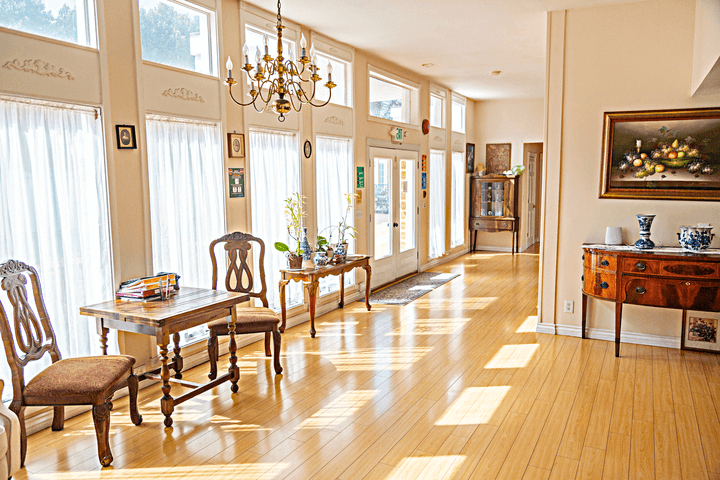

At Royal Garden Board & Care, our understanding of daily life for aggressive dementia patients comes from over 20 years of specialized experience. With a maximum of six residents per home, we create genuinely individualized daily routines that honor each person’s unique needs, preferences, and history.
Our small-scale model allows staff to invest time in relationship-building that makes all the difference in behavioral outcomes. Caregivers aren’t managing dozens of residents—they’re caring for a small household where they know if someone had a restless night, what foods they enjoy, and how to comfort them during distressed moments.
This personalized approach to specialized dementia care services delivers the outcomes families hope for: reduced aggressive episodes, improved quality of life, and the dignity every person deserves. Our family-owned approach means leadership is directly involved in care decisions, ensuring responsive and compassionate management of challenging situations.
Located throughout the San Fernando Valley, our facilities serve families seeking the highest level of specialized care—when expertise and individualized attention make all the difference in daily life quality. Learn more about our family-owned approach and what sets Royal Garden apart.
Taking the Next Step
Understanding what daily life looks like at care homes for aggressive dementia patients helps families make informed decisions about placement. The reality is neither as frightening as many fear nor as miraculous as some might hope. It’s a carefully managed environment where trained professionals provide safety, dignity, and individualized attention that creates genuine quality of life.
If you’re seeking specialized care for a loved one with aggressive dementia behaviors that provides both expert management and compassionate daily support, we invite you to visit Royal Garden Board & Care. See our homes, meet our staff, and talk with families who’ve made the transition. We understand the complexity of this decision and are here to provide honest answers to all your questions.
Contact us to schedule a personal tour and learn more about how our small-scale approach creates daily life that honors dignity while managing the realities of aggressive dementia care.