


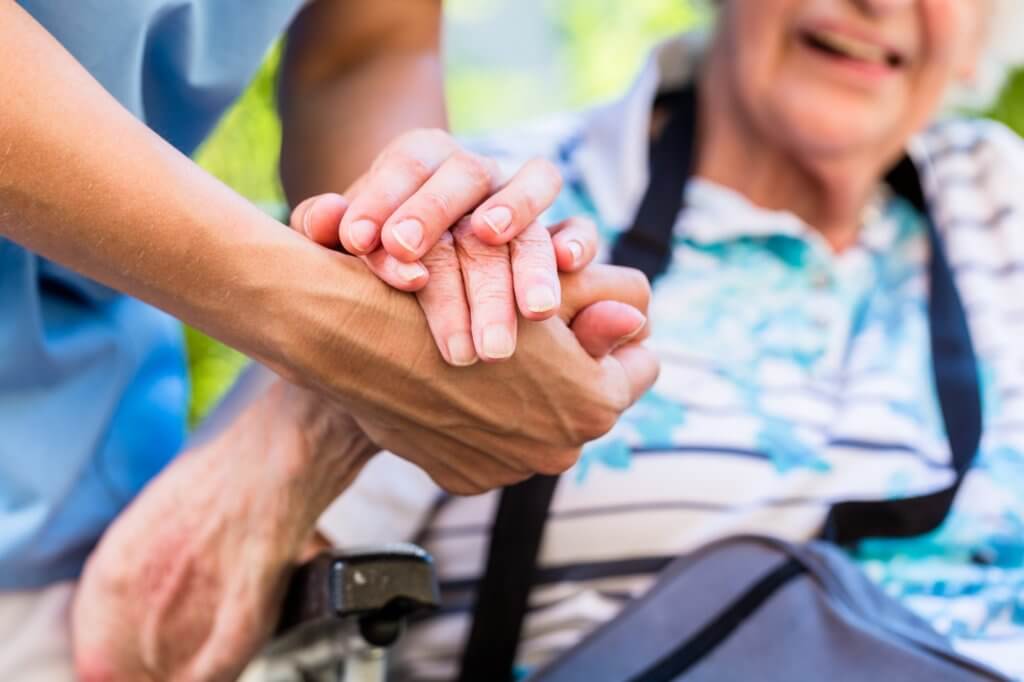
When dementia progresses to include aggressive behaviors—hitting, biting, verbal outbursts, or physical resistance during care—families face one of caregiving’s most challenging and emotionally exhausting realities. Finding appropriate residential care facilities for dementia patients with behavioral issues becomes essential not only for the patient’s wellbeing but for the safety of everyone involved. This comprehensive guide addresses the critical questions families ask when seeking specialized care homes for aggressive dementia patients.
Understanding Aggression in Dementia Patients


Aggressive behavior affects approximately 20-50% of individuals with dementia at some point during disease progression. These behaviors aren’t intentional acts or personality flaws—they’re neurological symptoms resulting from brain changes that impair communication, emotional regulation, and the ability to interpret surroundings correctly.
Common triggers include physical discomfort that patients cannot articulate, such as pain, hunger, constipation, or infections. Environmental overstimulation from noise, crowds, or chaotic settings frequently precipitates aggression, as does confusion about location, time, or the identity of caregivers. Feeling rushed during personal care tasks, medication side effects, and underlying medical conditions like urinary tract infections also commonly trigger behavioral responses.
The type of dementia influences behavioral patterns and timing. Frontotemporal dementia often presents with behavioral changes, disinhibition, and aggression early in the disease course, while Alzheimer’s patients typically develop aggressive behaviors during moderate to severe stages as communication abilities deteriorate and frustration increases. Understanding these disease-specific patterns helps families recognize when specialized residential care facilities for dementia patients with behavioral issues become medically necessary rather than optional.
Staff Training for Managing Aggression in Dementia Patients
One of the most critical factors distinguishing quality care homes for aggressive dementia patients from standard facilities is comprehensive staff training for managing aggression in dementia patients. Specialized training goes far beyond basic dementia care certification to address the complex neurological, psychological, and environmental factors underlying behavioral symptoms.
Effective training programs teach caregivers the neurological basis of aggressive behaviors, helping staff understand that aggression stems from brain disease rather than willful misbehavior. Staff learn to identify behavioral patterns through systematic tracking, recognizing that Martha’s afternoon aggression correlates with untreated arthritis pain, or that Robert’s verbal outbursts occur when he’s presented with too many choices during meals.
De-escalation techniques form a cornerstone of specialized training. Rather than confrontational approaches that escalate situations, trained staff use redirection, validation of emotions, calm verbal communication, and environmental modifications. They learn to recognize early warning signs—increased pacing, facial expressions, body language changes—that signal growing agitation before it progresses to aggression.
Person-centered care approaches preserve dignity even during challenging moments. Training emphasizes that behind every aggressive behavior lies an unmet need or communication attempt. When staff can decode these behavioral messages—”I’m in pain,” “I’m scared,” “This is too much stimulation”—they can address root causes rather than simply managing symptoms.
Residential Care Facilities for Dementia Patients With Behavioral Issues: Understanding Your Options
Families seeking alternatives to placing a dementia patient in a care home often exhaust themselves trying home care, only to discover that aggressive behaviors create safety risks that exceed family capabilities. Understanding the spectrum of residential options helps families make informed decisions about appropriate placement.
Traditional Nursing Homes and Their Limitations
Large nursing homes, despite having memory care units, often struggle to adequately manage aggressive dementia behaviors. High staff-to-resident ratios mean individual caregivers manage 10-15 or more residents simultaneously, making it nearly impossible to provide the intensive, individualized attention that prevents aggressive episodes.
The institutional environment itself can exacerbate behavioral symptoms. Long corridors filled with unfamiliar people, large communal dining rooms, overhead announcements, and constant activity create sensory overload that triggers aggression in vulnerable patients. When aggressive behaviors occur, limited staffing often necessitates chemical or physical restraints to protect other residents and staff.
Board and Care Home vs Skilled Nursing Facility for Dementia
When comparing a board and care home vs skilled nursing facility for dementia care, understanding fundamental structural differences helps families match their loved one’s needs with appropriate environments.
Skilled nursing facilities operate at institutional scale, typically housing 50-200+ residents in a medical model emphasizing nursing care and rehabilitation. They maintain high staff-to-resident ratios, employ multiple nursing shifts with frequent turnover, and follow standardized routines and schedules across large populations.
Board and care homes, in contrast, operate as small residential facilities licensed to serve six residents or fewer. This intimate scale creates homelike environments where residents live as a household with consistent caregivers who develop deep familiarity with each individual’s patterns, triggers, and effective interventions.
For aggressive dementia patients specifically, board and care homes offer distinct advantages. Lower resident numbers mean caregivers can monitor subtle behavioral cues and intervene proactively before escalation occurs. The homelike atmosphere provides consistency and predictability that reduces behavioral triggers. Family-owned operations often mean owners work directly with residents, ensuring accountability and responsive care adjustments.
Unlike larger facilities where aggressive patients may face discharge when behaviors become difficult to manage, specialized board and care homes are purposefully designed and staffed for complex behavioral needs. Staff ratios of one caregiver to three residents or better enable the immediate, personalized response that prevents many aggressive episodes from occurring.
Small Group Homes for Seniors With Combativeness From Dementia
Small group homes for seniors with combativeness from dementia represent the optimal environment for managing complex behavioral needs. These intimate residential settings—typically serving 4-6 residents—provide the therapeutic milieu where aggressive behaviors can be addressed through environmental design, relationship-based care, and intensive individualized attention.
The small scale allows for environmental modifications tailored to individual needs. If afternoon sunlight through a particular window triggers Robert’s agitation, staff can immediately adjust window treatments. If Martha becomes combative in crowded spaces, meal times can be staggered to reduce stimulation. This flexibility simply doesn’t exist in institutional settings bound by standardized procedures and large populations.
Relationship continuity plays a crucial role in managing combativeness. When the same familiar caregivers work with residents daily, they develop the nuanced understanding necessary for behavioral management. They know that approaching from Sarah’s right side prevents startled aggressive reactions, that gentle hand-holding calms David’s evening anxiety, or that playing specific music redirects Elizabeth’s building agitation.
What Is a Secured Dementia Care Unit?
What is a secured dementia care unit? This question frequently arises when families research specialized residential options. A secured dementia care unit refers to a locked or controlled-access environment designed to prevent wandering while providing safety for residents with cognitive impairment and behavioral challenges.
Security features include controlled entry and exit points using keypads, alarms, or magnetic locks that residents cannot operate independently. Secure outdoor spaces allow residents to access fresh air and nature without wandering risks. Environmental design includes disguised exits, engaging areas that reduce desire to leave, and monitoring systems that alert staff to movement patterns indicating escape attempts.
In care homes for aggressive dementia patients, secured units serve dual purposes. They prevent wandering-related safety risks while creating the contained therapeutic environment where behavioral interventions can be implemented consistently. Residents benefit from freedom of movement within safe boundaries rather than physical restraints or constant supervision that can increase agitation.
Quality secured units don’t feel institutional despite security measures. The best environments incorporate security features seamlessly into homelike design—attractive fencing that appears garden-like rather than prison-like, engaging outdoor spaces that draw residents to stay rather than leave, and subtle security that maintains dignity while ensuring safety.
Non-Pharmacological Interventions for Dementia-Related Aggression
Clinical guidelines consistently recommend non-pharmacological interventions for dementia-related aggression as first-line treatment before considering medication. Research demonstrates that environmental modifications, activity-based interventions, and caregiver approaches can significantly reduce aggressive behaviors without the side effects associated with antipsychotic medications.
Music therapy shows particularly strong evidence for reducing agitation and aggression. Personalized music that connects with residents’ life histories can calm agitation, provide emotional outlets for patients struggling with verbal communication, and reduce the need for chemical restraints. Even patients with severe dementia often respond to familiar melodies from their youth.
Sensory interventions including aromatherapy with lavender or chamomile, gentle massage, and tactile activities provide calming alternatives when residents show early distress signals. Structured activities matched to current cognitive abilities offer engagement without frustration—folding towels for someone who once did laundry, sorting objects for those who worked in organizing professions, or simple art activities for creative individuals.
Environmental design reduces behavioral triggers through thoughtful modifications. Natural lighting regulates circadian rhythms and reduces sundowning agitation. Noise reduction eliminates auditory overload that triggers aggressive responses. Color contrasts help patients with visual-spatial difficulties navigate environments safely, reducing confusion-related aggression.
According to research published by NCBI, nonpharmacologic interventions carry significantly fewer risks than antipsychotic medications while offering meaningful benefits for both patients and caregivers. Specialized care homes for aggressive dementia patients implement these evidence-based approaches systematically rather than relying primarily on chemical management.
Checklist for Evaluating a Dementia Care Facility
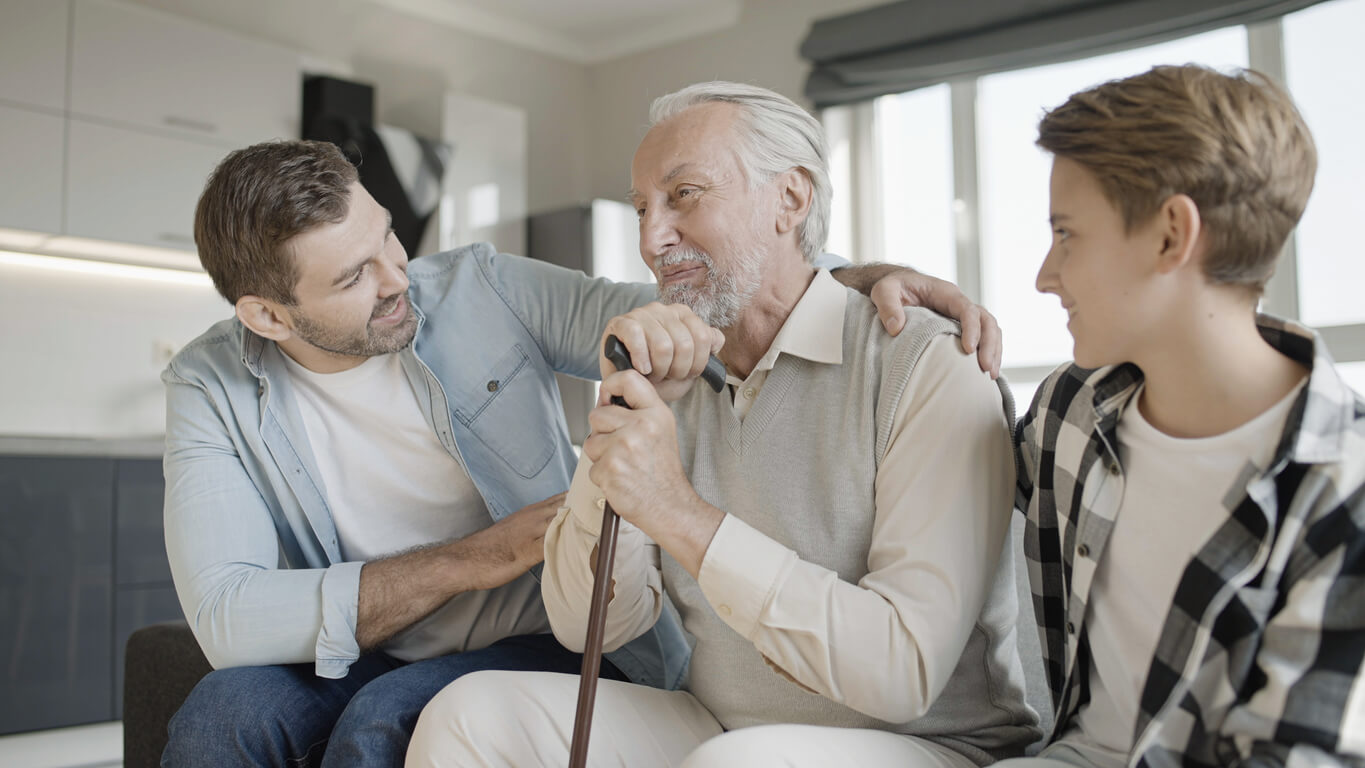

When touring potential residential care facilities for dementia patients with behavioral issues, families need a systematic checklist for evaluating a dementia care facility to assess quality and appropriateness.
Staffing and Training:
- What are staff-to-resident ratios during all shifts, including nights and weekends?
- What specific training do staff receive in behavioral management and de-escalation?
- How long have current caregivers worked at the facility (indicates stability)?
- Does the facility conduct ongoing behavioral management education?
- Are staff trained in non-pharmacological interventions?
Behavioral Management Approach:
- How does the facility handle aggressive episodes without chemical or physical restraints?
- What is the philosophy on medication use for behavioral symptoms?
- Is psychiatric consultation available, and how frequently?
- Can you see examples of individualized behavioral care plans?
- Under what circumstances would a resident be asked to leave due to behavioral issues?
Physical Environment:
- Does the facility offer secure outdoor spaces for safe movement?
- Are there quiet areas for overstimulated residents?
- Does the environment feel homelike rather than institutional?
- Is there clear signage and design that reduces confusion?
- How many residents share rooms (private rooms reduce conflict)?
Daily Life and Activities:
- Are daily routines predictable and personalized to individuals?
- What structured activities are offered for behavioral engagement?
- How does the facility accommodate individual preferences and histories?
- Can residents move freely within secure boundaries?
- Is there flexibility when residents have “bad days”?
Communication and Transparency:
- How does the facility communicate behavioral changes to families?
- Are families involved in care plan development and adjustments?
- Can you speak with families of current residents who had aggressive behaviors?
- What incident reporting procedures exist for aggressive episodes?
- How responsive is management to family concerns?
What Questions to Ask a Board and Care Home for a Dementia Patient
Beyond general evaluation criteria, families should ask specific questions to board and care home for a dementia patient with aggressive behaviors:
Specialized Experience: “How many residents with aggressive dementia behaviors have you cared for in the past year? Can you provide references from their families?” Direct experience managing combativeness indicates capability and realistic expectations.
“What specific de-escalation techniques do your caregivers use?” Detailed answers demonstrate actual training rather than generic claims about “specialized care.”
Handling Crisis Situations: “Walk me through exactly what happens when a resident becomes physically aggressive. Who responds, what protocols are followed, and how do you ensure everyone’s safety?” This reveals whether the facility has actual procedures or makes decisions reactively.
“Have you ever asked a resident to leave due to behavioral issues? Under what circumstances?” Understanding discharge policies prevents families from investing in transitions only to face another move during a crisis.
Medical Integration: “How do you balance non-pharmacological interventions with appropriate medication use?” Quality facilities prioritize environmental and behavioral approaches first while acknowledging some patients need pharmacological support.
“What psychiatric or behavioral health consultation do you access?” Facilities managing complex behaviors should have relationships with geriatric psychiatrists or behavioral specialists.
Daily Life Details: “How do you personalize daily routines for residents with behavioral triggers?” Specific examples—”We learned Martha needs an hour of quiet time after lunch to prevent evening aggression”—indicate individualized attention.
“What happens when residents resist care tasks like bathing or medication?” Detailed responses reveal whether staff force compliance (increasing aggression) or use gentle redirection and flexibility.
Small Residential Homes vs Large Assisted Living
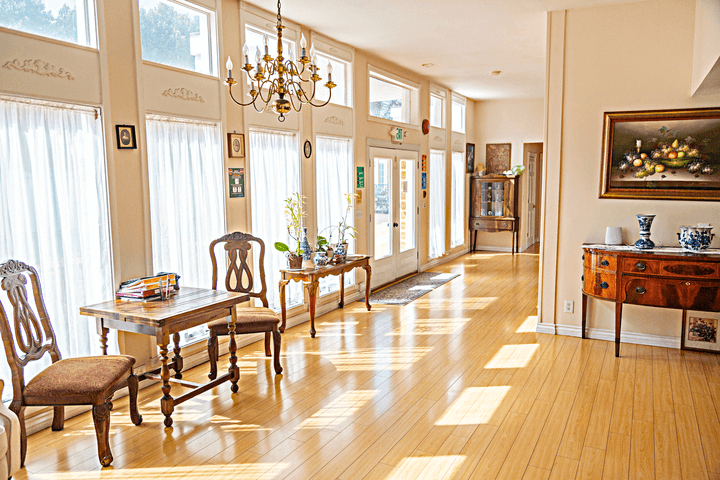

Understanding the differences between small residential homes and larger assisted-living communities helps families match their loved one’s needs with the right environment, especially for those with aggressive dementia.
Small Residential Homes (Board and Care)
Advantages:
Intimate environments with 6 or fewer residents create homelike atmospheres with minimal stimulation that dramatically reduce behavioral triggers. Staff-to-resident ratios of 1:3 or better enable immediate response to behavioral cues before situations escalate. Consistent caregivers develop deep familiarity with each resident’s unique patterns, triggers, and communication methods, allowing proactive intervention rather than reactive crisis management.
The small scale provides unmatched flexibility to modify all aspects of environment and routines for individual needs. Daily schedules, meal times, and activities can be personalized based on each resident’s optimal functioning. When triggers are identified, environmental modifications happen immediately rather than requiring approval through administrative layers. Family-owned operations often mean owners work directly alongside staff, ensuring accountability and rapid response to changing needs.
Perhaps most importantly, residents are never discharged due to behavioral challenges. Unlike larger facilities that ask aggressive patients to leave when behaviors become difficult, specialized board and care facilities commit to managing complex behaviors throughout disease progression, providing families with stability and peace of mind during an already difficult journey.
Considerations:
Finding quality board and care facilities requires more thorough research than searching established chain facilities with extensive marketing presence. The intimate 6-resident scale means fewer available placement options in any given geographic area. Monthly costs typically range higher than standard assisted living due to intensive staff ratios and specialized behavioral care, though this investment reflects the level of individualized attention necessary for managing complex needs.
Large Assisted Living Facilities:
Why They Don’t Work for Aggressive Dementia
While large assisted living facilities may work for independent seniors, they present significant challenges for aggressive dementia patients. High staff-to-resident ratios (1:10-15+) mean caregivers cannot provide the individualized attention necessary for behavioral management. When one caregiver manages 10-15 residents, subtle behavioral warning signs go unnoticed until situations escalate to crisis.
The institutional environment itself exacerbates behavioral symptoms. Long corridors filled with unfamiliar people, large communal dining rooms, overhead announcements, and constant activity create sensory overload that triggers aggression in vulnerable patients. Frequent staff turnover prevents the relationship development essential for understanding individual triggers and effective de-escalation approaches.
Standardized routines and schedules designed for large populations cannot be personalized to prevent behavioral triggers. When aggressive episodes occur, limited staffing often necessitates chemical restraints or physical interventions. Perhaps most concerning, aggressive patients frequently face discharge when behaviors disrupt the larger community, forcing families into crisis placement situations.
How to Find Licensed Board and Care Homes That Accept Dementia Patients
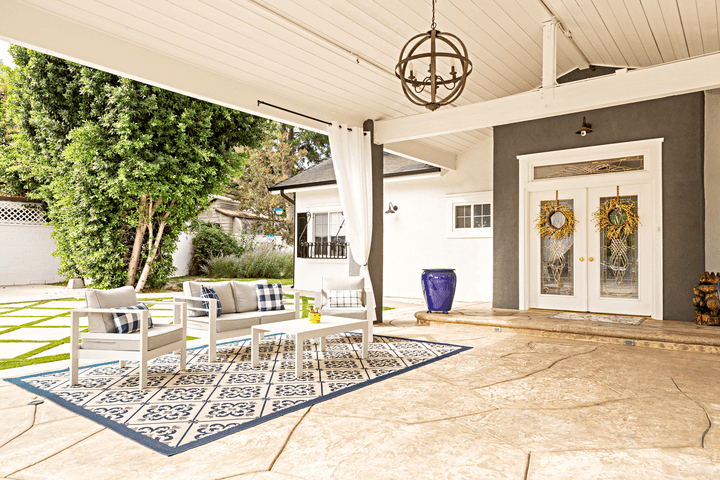
How to find licensed board and care homes that accept dementia patients with behavioral challenges requires strategic research beyond simple internet searches.
Start with state licensing agencies, which maintain databases of licensed residential care facilities. In California, the Department of Social Services Community Care Licensing Division provides searchable databases showing facility capacity, licensing history, and any violations or complaints.
Local Alzheimer’s Association chapters offer care consultation services and maintain lists of specialized facilities in their regions. These organizations understand which local homes genuinely specialize in behavioral care versus those simply accepting dementia patients without specialized capability.
Geriatric care managers possess detailed knowledge of local care options and can match families with appropriate facilities based on specific needs. While they charge fees for consultations, their expertise saves families from touring numerous inappropriate facilities.
Hospital discharge planners and geriatric psychiatrists often know which local facilities successfully manage complex behavioral cases. When asking for recommendations, specify “aggressive behaviors” or “combativeness” rather than general “dementia care”—this ensures recommendations come from actual behavioral placement experience.
Tour multiple facilities and trust both factual information and instinctual responses. Watch staff interactions with current residents—are approaches patient and respectful, or rushed and task-focused? Do residents appear calm and engaged, or sedated and withdrawn? Does the environment feel homelike and comfortable, or institutional and sterile?
Request references from families whose loved ones exhibited aggressive behaviors. Their firsthand experiences provide the most accurate picture of how facilities manage complex behavioral needs over time and whether behavioral symptoms actually improve with specialized care.
Average Cost of a Board and Care Home for Memory Care
The average cost of a board and care home for memory care with behavioral specialization typically ranges from $6,000 to $10,000 monthly, with variation based on geographic location, facility quality, level of care intensity required, and specific amenities offered.
This pricing reflects the intensive care ratios necessary for managing aggressive dementia patients. When facilities maintain 1:3 or better staff-to-resident ratios compared to 1:10-15 in traditional settings, labor costs drive pricing. Specialized training in behavioral management, psychiatric consultation access, and the flexibility to modify environments and routines for individual needs also contribute to costs.
Regional variation significantly impacts pricing. Facilities in high cost-of-living areas like coastal California may charge $8,000-$10,000+ monthly, while similar quality care in lower cost regions might range $6,000-$8,000. Facilities in the San Fernando Valley, for example, generally price in the $6,000-$8,500 range for comprehensive memory care with behavioral support.
Payment options vary by facility. Most specialized board and care homes are private pay, though some accept long-term care insurance if policies cover residential care (families should verify coverage specifics with insurers). Veterans benefits through VA Aid and Attendance may provide partial payment assistance for eligible veterans and surviving spouses. Some states offer Medicaid waiver programs covering board and care facilities, though availability and waitlists vary significantly by location.
When evaluating cost, families should consider value relative to outcomes. While specialized care homes for aggressive dementia patients cost more than standard options, appropriate behavioral management that reduces symptom severity, prevents crisis situations requiring hospitalization, and maintains patient dignity often proves more cost-effective than repeated facility moves or constant crisis management in less appropriate settings.
How to Prepare a Family Member With Dementia for Moving Into Care
How to prepare a family member with dementia for moving into care presents unique challenges when behavioral issues complicate transitions. Thoughtful preparation can ease adjustment and reduce behavioral escalation during this stressful change.
Begin conversations gradually if cognitive capacity allows. Rather than sudden announcements, introduce the concept of “help at home” or “a place where people understand memory problems.” Frame the move positively—emphasizing help, safety, and specialized support rather than loss of independence.
Time the move strategically when possible. Avoid transitions immediately after hospitalizations when patients are already disoriented. Consider seasonal factors—moving during pleasant weather allows outdoor access that can ease adjustment stress.
Personalize the new space before move-in day. Bring familiar items including favorite chair, photographs, bedding, and meaningful objects that provide continuity. Familiar scents—a pillow sprayed with their cologne, for instance—can comfort despite memory loss.
Maintain consistent family presence initially. Plan to spend significant time at the new facility during the first week, gradually reducing presence as your loved one acclimates. Your calm presence signals safety even when surroundings feel unfamiliar.
Communicate behavioral triggers to staff before arrival. Detailed information about what calms or agitates your family member allows staff to implement appropriate approaches from day one rather than learning through trial and error.
Expect an adjustment period with potential behavioral increase. Moving creates stress that can temporarily worsen aggression even in appropriate environments. Quality facilities understand this and implement intensive support during transitions.
Trust the process while monitoring closely. Initial resistance doesn’t necessarily mean wrong placement—many patients who initially refused the move later thrive with appropriate support. However, remain vigilant that behavioral escalation stems from adjustment stress rather than inadequate care.
Geographic Considerations: Finding Care in the San Fernando Valley
Families in the San Fernando Valley and surrounding areas benefit from access to specialized care homes for aggressive dementia patients in communities throughout Tarzana, Valley Glen, Burbank, and Thousand Oaks. Geographic proximity matters significantly for both residents and families.
Closeness enables frequent family visits, which provide emotional continuity for residents even when they don’t remember recent visits. Regular presence allows families to monitor care quality firsthand, participate in care decisions, and maintain meaningful connection despite disease progression.
Southern California’s mild climate offers year-round outdoor access, which significantly benefits dementia patients. Regular outdoor time with natural light exposure reduces agitation, improves circadian rhythm regulation that prevents sundowning behaviors, and provides safe outlets for restless energy that might otherwise manifest as aggression.
When evaluating local options, families should consider how proximity affects their ability to advocate effectively. Facilities within 30-45 minutes’ drive enable spontaneous visits during work weeks, quick response during crises, and participation in care conferences without extensive travel burden.
Families seeking specialized residential care in these communities should look for facilities that understand local family dynamics, offer flexible visiting that accommodates working families, and integrate into community resources including local physicians, mobile services, and support groups.
Moving Forward: Making the Decision

Recognizing when a loved one needs specialized care homes for aggressive dementia patients is emotionally difficult but crucial for everyone’s safety and wellbeing. When home care becomes unsafe for the patient or family members, when caregivers experience injury or severe burnout, or when aggressive behaviors indicate needs exceeding family capabilities, residential placement isn’t failure—it’s ensuring appropriate professional care.
The right specialized facility transforms outcomes for both patients and families. In environments designed for behavioral care with trained staff and appropriate approaches, many patients experience reduced aggression frequency and intensity. Families transition from exhausting crisis management to supportive involvement as advocates and regular visitors who can focus on emotional connection rather than physical caregiving.
Begin researching residential care facilities for dementia patients with behavioral issues before reaching crisis point. Early tours and conversations allow thoughtful decision-making rather than emergency placement during hospitalizations or after safety incidents. Ask detailed questions about staff training for managing aggression in dementia patients, trust observations about staff competence and environmental appropriateness, and verify facilities genuinely specialize in behavioral care rather than simply accepting aggressive patients due to financial need.
Visit Royal Garden’s services page to learn about specialized memory care designed specifically for behavioral challenges. With small-scale facilities throughout the San Fernando Valley, Royal Garden provides the intensive, relationship-based care that helps aggressive dementia patients experience improved quality of life while families gain peace of mind knowing their loved ones receive expert support in homelike environments.
If your loved one with dementia displays aggressive behaviors, know that specialized care homes exist specifically for these challenges. Tour multiple options, observe carefully, ask pointed questions about behavioral management, and trust both the facts you gather and your instincts about which environment will best serve your loved one’s unique needs. The right placement can transform what feels like an impossible situation into one where your loved one receives excellent care while you reclaim your role as a loving family member rather than an overwhelmed caregiver.
For more information about finding appropriate care, visit Royal Garden’s website or contact specialized facilities directly to discuss your loved one’s specific needs and how their programs address behavioral challenges.
Frequently Asked Questions
What types of aggressive behaviors do specialized care homes manage? Specialized care homes manage hitting, biting, kicking, verbal aggression, physical resistance during care tasks, wandering with agitation, throwing objects, and other challenging behaviors through trained staff, therapeutic environments, and individualized behavioral approaches.
How do small care homes handle aggressive patients differently than large facilities? Small care homes offer lower staff-to-resident ratios enabling immediate response to behavioral cues, consistent caregivers who understand individual triggers, calm environments with minimal stimulation, and flexibility to personalize all aspects of care including routines, activities, and environmental modifications.
Will my loved one be heavily medicated to control aggression? Quality care homes prioritize non-pharmacological interventions first—environmental modifications, activity-based approaches, caregiver techniques—using medication judiciously only when behavioral interventions prove insufficient and always in consultation with medical professionals to minimize side effects.
Can aggressive dementia patients improve in the right care home? Many patients experience reduced aggression frequency and intensity when placed in appropriate small-scale care homes that address underlying triggers through specialized behavioral support, relationship-based care, and therapeutic environments designed specifically for behavioral needs.
What staff training is essential for managing aggressive dementia patients? Essential training includes understanding the neurological basis of aggression, identifying behavioral patterns through systematic tracking, implementing non-confrontational de-escalation techniques, using person-centered approaches that preserve dignity, and recognizing early warning signs that enable proactive intervention before escalation.
How much does specialized care for aggressive dementia cost? Specialized care typically costs $6,000-$10,000 monthly depending on location and care intensity, reflecting the low staff-to-resident ratios, specialized training, behavioral expertise, and individualized attention necessary for managing complex behavioral needs safely and effectively.